
Google Plans a New Kernel Optimization to Speed Up Android
Google is working on a behind-the-scenes upgrade that could make Android phones feel faster and more efficient. This change won’t show up as a flashy new feature in settings. However, it could still improve everyday performance across Android devices.
Google wants to bring AutoFDO to Android kernel
The company plans to bring Automatic Feedback-Directed Optimization (AutoFDO), according to Android Authority, to the Android kernel. The kernel is the core layer that connects apps, hardware, and the operating system. When developers build Android, the compiler decides how to organize and optimize the code. Traditionally, it relies on predictions about how the code will run. Those guesses aren’t always accurate.
AutoFDO changes that approach. Instead of guessing, it uses real execution data to guide the complier. Engineers gather information about how the system behaves during typical workloads and feed that data back into the build process. The complier then organizes the code to match those real-world usage patterns. In simple terms: Android learns from how people actually use their phones. Later, it builds a faster version of the system around that data.
Google already applies AutoFDO to parts of Android outside the kernel. The company says those optimizations have delivered measurable gains, including faster cold app launches and slightly quicker boot times. Bringing the same technique to the kernel could extend those benefits to the foundation of the operating system itself.
By applying this data-driven optimization directly to the kernel itself, Google could make future Android versions feel faster and more responsive, without requiring new hardware. This kind of work often delivers subtle but meaningful improvements, like smoother scrolling, faster response times, and better battery efficiency. Also, because the kernel sits at the foundation of Android, every app and system feature benefits from the optimization.
Would you rather see Google focus on deep system optimizations like this, or add more user-facing features in each Android version?

Follow us on Google Discover & set us as a preferred source in Google News
Share this Post
___________________________


New Blog Posts
___________________________
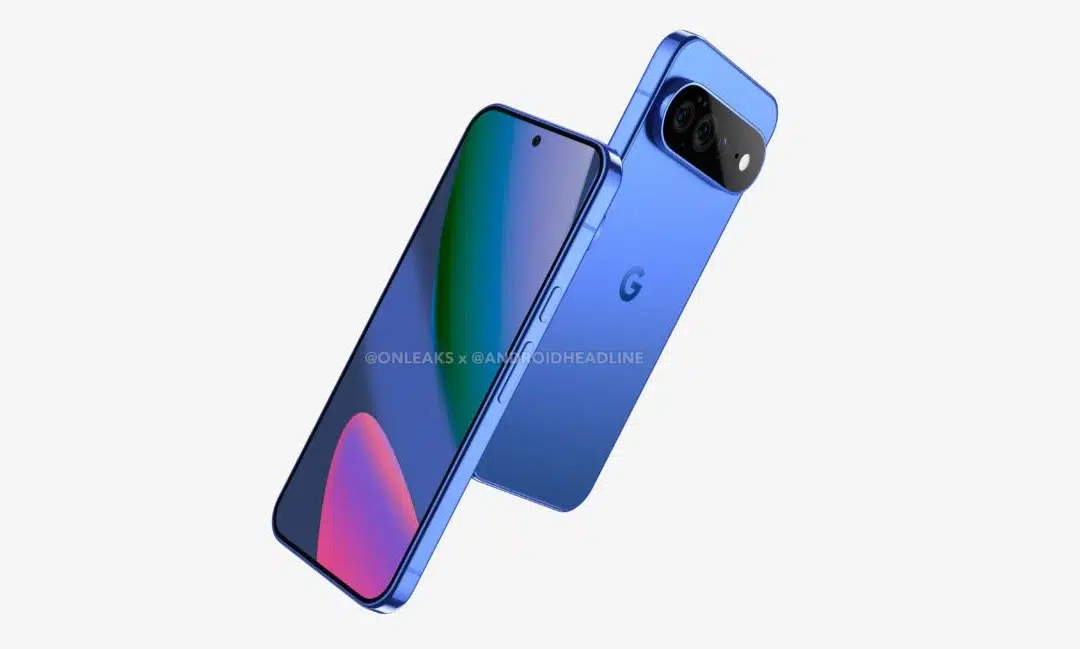
First Set of Pixel 11 Pro XL Renders Are Here
Pixel 11 Pro XL CAD renders show minimal design changes

Is Samsung Preparing One UI 8.5 Beta for Galaxy Z Fold 5 and Flip 5?
Samsung may launch a One UI 8.5 beta program for its 2023 foldables
Galaxy S25 One UI 8.5 Beta May Run Longer Than Expected
Galaxy S25 series’ One UI 8.5 beta may stretch to 10 rounds