Google Maps Adds Gemini-Powered Ask Maps and Immersive Navigation
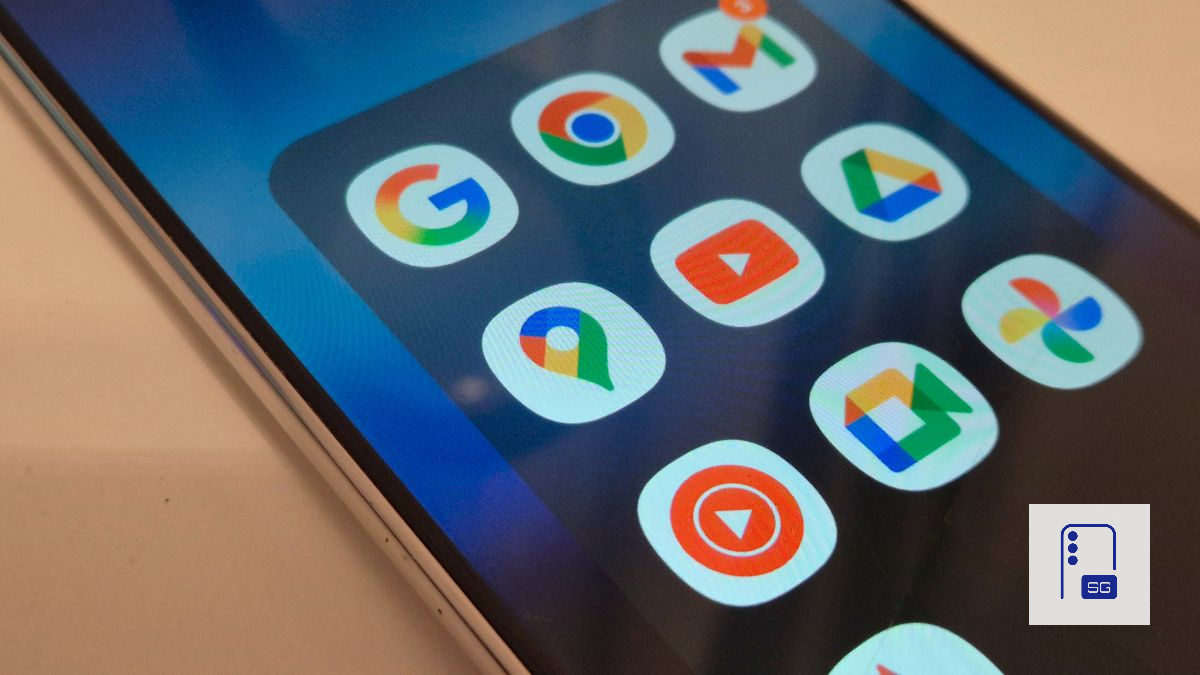
Google Maps is inarguably one of the most widely used apps in the world. Millions of people rely on it every day to navigate cities, find restaurants, check traffic conditions, or plan trips. Over the years, Google has gradually added new features to make Maps smarter. Now, Google Maps is finally adding Gemini to the mix.
Google Maps rolls out Gemini-powered AI features for smarter navigation
Google just announced one of the biggest Google Maps updates in years. It has two major features: Ask Maps, which lets users ask natural-language questions directly in the app. Also, Immersive Navigation is a new driving interface with rich 3D visuals and smarter route guidance. Together, these additions aim to turn Google Maps into more than just a navigation tool. Google wants the app to act like a travel assistant. It should help you decide where to go and how to get there.
The first major addition is Ask Maps, a Gemini-powered feature that lets you ask complex questions directly inside Google Maps. Instead of typing simple keywords, you can ask detailed requests like finding a cozy restaurant. You can also plan a road trip or locate a charging station nearby for electric cars.
Gemini analyzes your request and pulls recommendations from Google Maps data, including reviews, ratings, and location details. The system then suggests places that match your request and helps you plan the route to get there.
For example, you could ask something like: “Find a pet-friendly restaurant with space for four people tonight.” Maps will respond with suggestions and directions. Sometimes it will even offer reservation options if available. Google says Ask Maps will first roll out on Android and iOS in the United States and India. Afterward, it will expand to more countries.
Immersive Navigation brings a new 3D driving experience
The second big feature is Immersive Navigation, which upgrades the visual navigation interface. Instead of simple map lines and arrows, the system now shows detailed 3D buildings, terrain, and roads. This helps drivers better understand their surroundings. As you drive, the map dynamically highlights important elements like: intersections, crosswalks, traffic lights, and lane markings. This approach gives drivers a clearer picture of complex turns and road layouts before they reach them.
The new navigation also explains route decisions more clearly. For example, Maps can show the trade-offs between routes, such as shorter travel time versus toll costs. It can also show heavier traffic. After you arrive, Maps can help with the final part of your trip. It will guide you toward nearby parking or walking routes to your destination.

Follow us on Google Discover & set us as a preferred source in Google News
Share this Post
___________________________


New Blog Posts
___________________________
First Set of Pixel 11 Pro XL Renders Are Here
Pixel 11 Pro XL CAD renders show minimal design changes

Is Samsung Preparing One UI 8.5 Beta for Galaxy Z Fold 5 and Flip 5?
Samsung may launch a One UI 8.5 beta program for its 2023 foldables
Galaxy S25 One UI 8.5 Beta May Run Longer Than Expected
Galaxy S25 series’ One UI 8.5 beta may stretch to 10 rounds