Google Faces New DMA Probe Over Gemini’s Android Integration
SammyGuru is reader-supported. We have affiliate and sponsored partnerships, so we may earn a commission when you buy through links on our site — at no extra cost to you. Learn more.
The European Commission launched two new investigations today against Google under the Digital Markets Act (DMA). The reason? The EU wants Google to provide third-party AI developers with equal access to the same features available to Gemini. This would allow other AI assistants to compete more directly with Google in the mobile AI space.
EU probes Google over preferential treatment of Gemini on Android
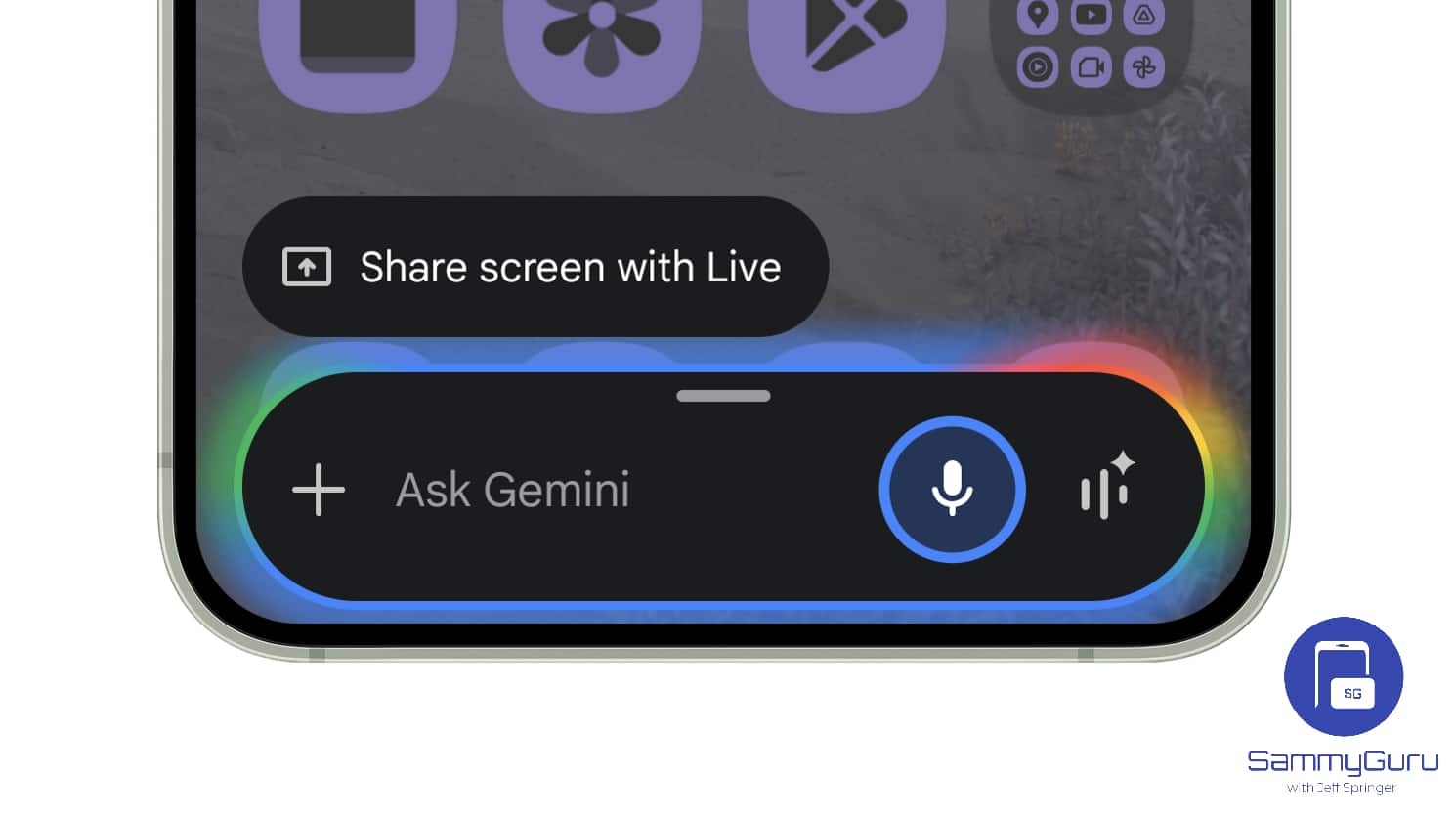
Gemini is now Google’s default AI assistant on Android, effectively replacing Google Assistant on supported devices. Unlike the older Assistant, Gemini is built as a system-level AI layer with deeper hooks into Android and tighter integration with Google services like Search, Gmail, Maps, and Workspace.
This level of integration gives Gemini access to privileged system features that third-party apps typically cannot use. However, under the EU’s Digital Markets Act (DMA), Google is classified as a “gatekeeper”. That means it must open up these same system-level capabilities to competing AI assistants. In practice, this could allow other AI apps to offer similar deep app integrations and device controls, rather than being limited to basic chatbot functions.
The DMA also requires Google to share anonymized Search data, ranking, query, click and view information, with competing search engines. According to official European Commission’s announcement, this will be done through a formal process with a strict timeline. The EU plans to publish its preliminary findings within three months and conclude the investigation within six. Google could face fines of up to 10% of its global annual revenue if it fails to comply with these obligations.
The rules are meant to ensure that third-party AI assistants get access to the same Android system features and app integrations that are currently available to Gemini. This would allow AI providers to compete on smartphones without being restricted by platform-level limitations.


Follow us on Google Discover & set us as a preferred source in Google News
Share this Post
___________________________


New Blog Posts
___________________________
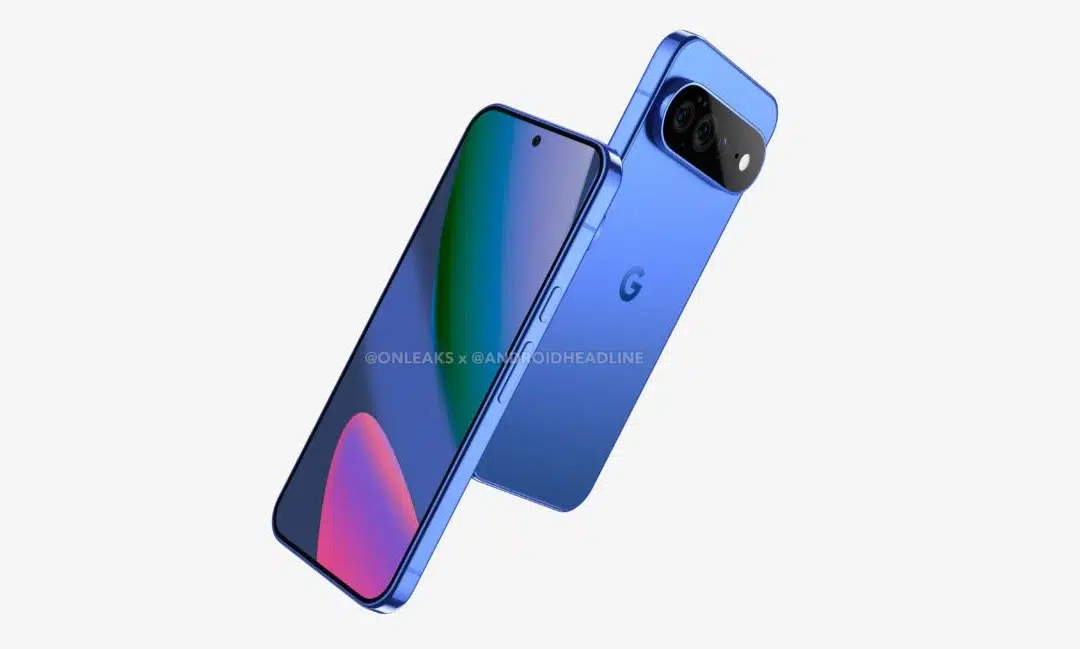
First Set of Pixel 11 Pro XL Renders Are Here
Pixel 11 Pro XL CAD renders show minimal design changes

Is Samsung Preparing One UI 8.5 Beta for Galaxy Z Fold 5 and Flip 5?
Samsung may launch a One UI 8.5 beta program for its 2023 foldables
Galaxy S25 One UI 8.5 Beta May Run Longer Than Expected
Galaxy S25 series’ One UI 8.5 beta may stretch to 10 rounds