Galaxy Z Fold 7 vs Fold 6: Is the Upgrade Worth It?
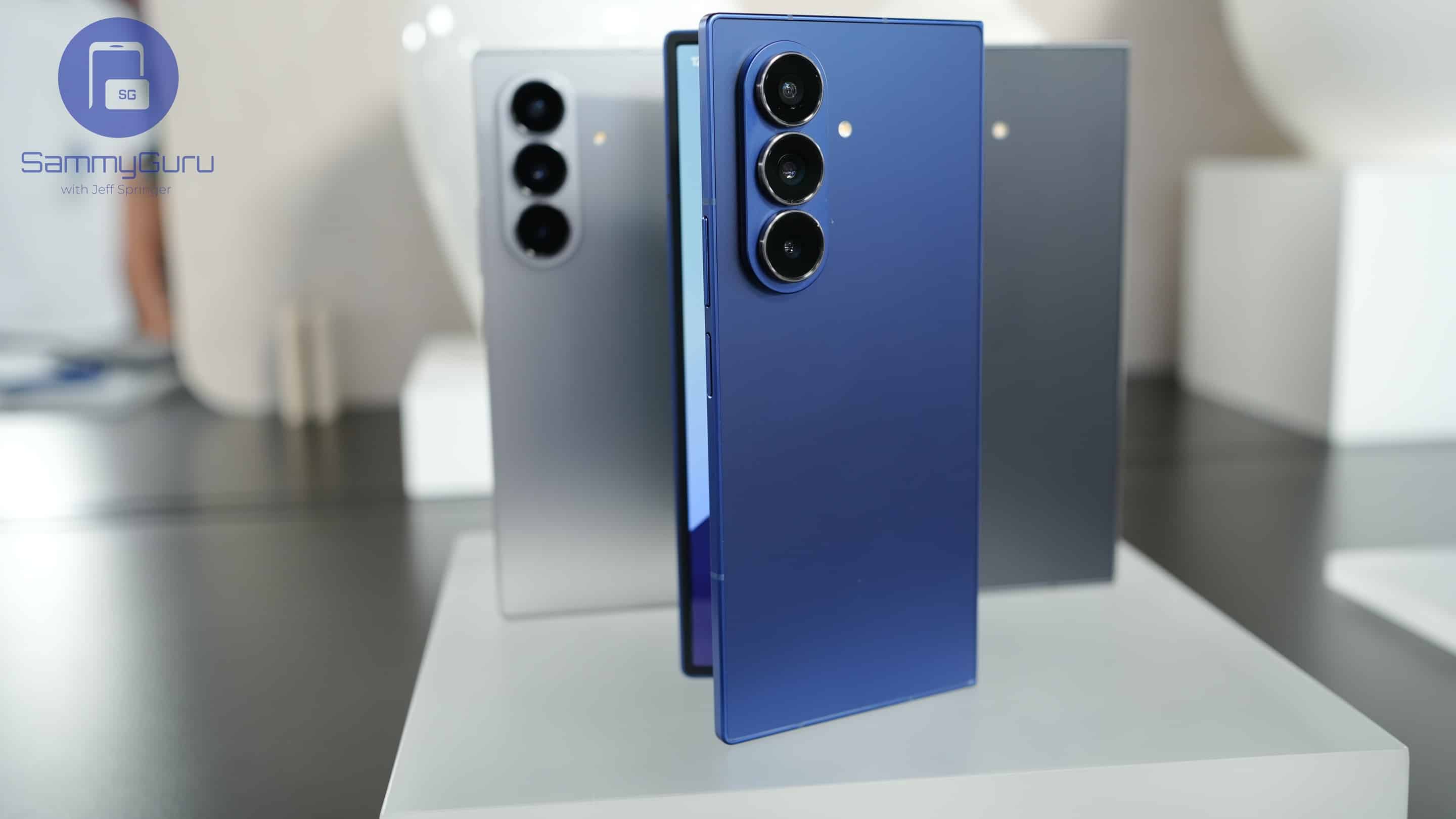
Samsung just pulled the wraps off the Galaxy Z Fold 7, its most advanced foldable phone yet. With bigger displays, reduced weight, improved durability, and upgraded cameras, the new model has plenty on offer. But for those already using the Galaxy Z Fold 6, a natural question arises: Is it worth upgrading after just one year? Let’s break down the differences to see if the Fold 7 earns a spot in your pocket — or if your Fold 6 still holds strong.
Design and Build: The Fold 7 is slimmer, lighter, and tougher
While the overall look of the Fold 7 might seem familiar, a closer look reveals a much more refined device. Samsung shaved off 26% in thickness and made it 10% lighter than its predecessor. Here’s a quick size and weight comparison:
- Galaxy Z Fold 6:
- Folded: 153.5 x 68.1 x 12.1mm
- Unfolded: 153.5 x 132.6 x 5.6mm
- Weight: 239g
- Galaxy Z Fold 7:
- Folded: 158.4 x 72.8 x 8.9mm
- Unfolded: 158.4 x 143.2 x 4.2mm
- Weight: 215g
As you can see, the Fold 7 has a bigger footprint, but is dramatically thinner and lighter — a major win for comfort and portability. It is also stronger. Samsung has introduced a new Advanced Armor Aluminum frame, which is 9% stronger and 10% harder than the aluminum used on the Fold 6. The outer glass protection also gets an upgrade, moving from Gorilla Glass Victus 2 to Gorilla Glass Ceramic 2.
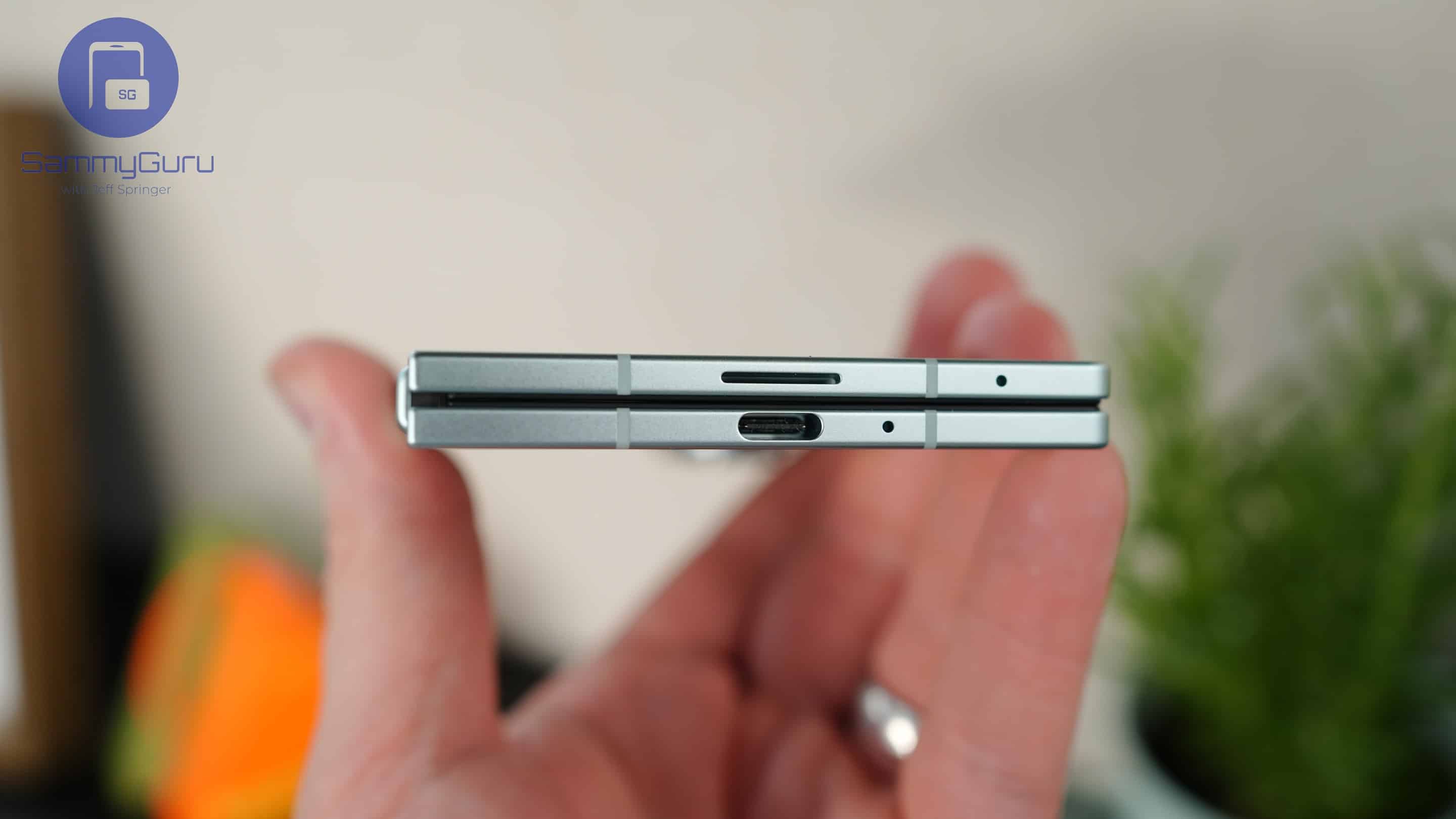
Both devices carry an IP48 rating, but the Fold 7 clearly takes the lead in long-term durability. Samsung has also redesigned the hinge to make it slimmer while simultaneously improving its durability. The newly engineered Armor FlexHinge allows the screen to fold gently at a bigger radius, dramatically reducing the crease for an enhanced viewing experience.
Display: Notable upgrades in the Fold 7, but no S Pen support
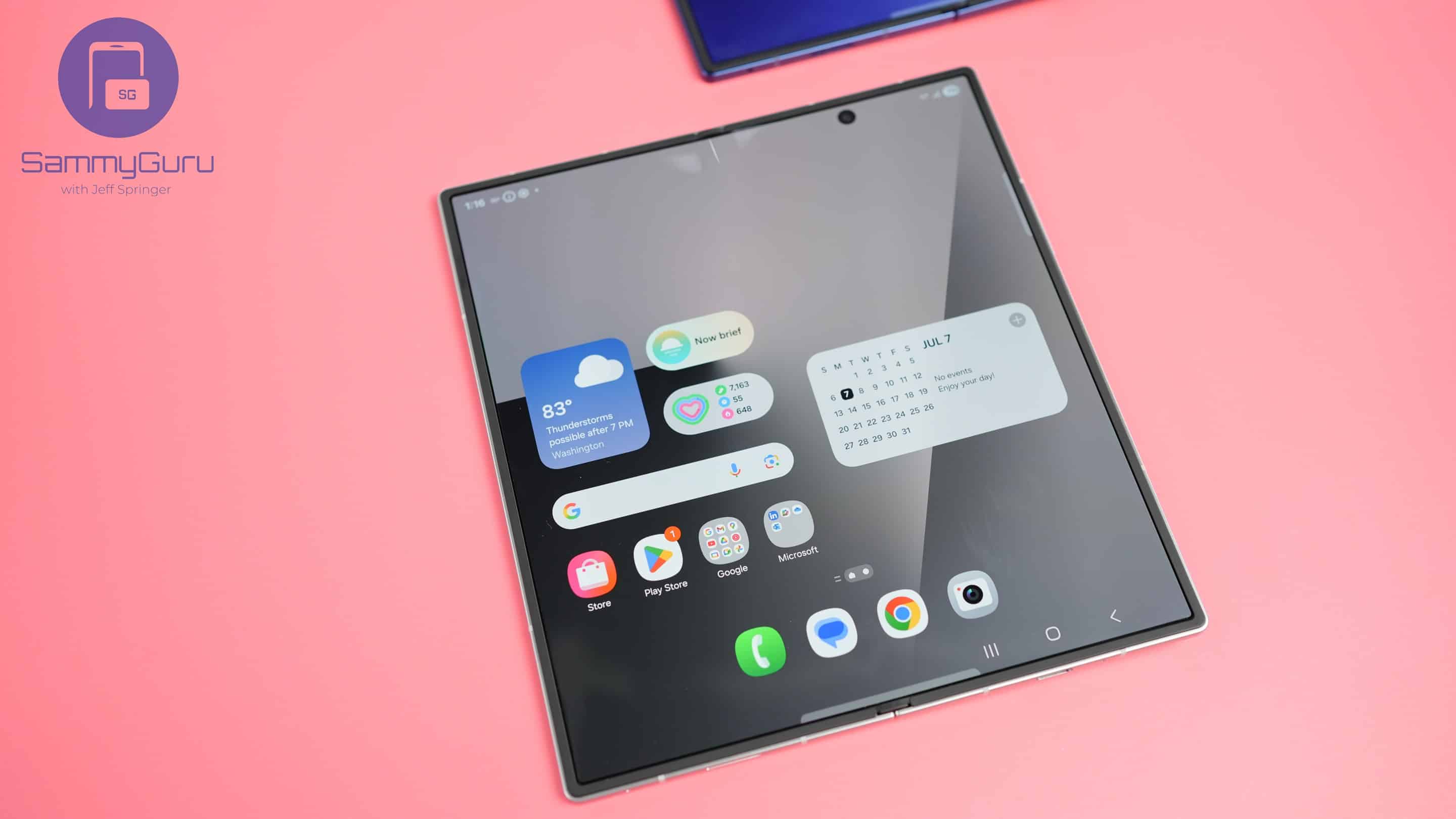
The Galaxy Z Fold 7 sports bigger screens on the inside and outside. The main display goes from 7.6 inches to 8.0 inches, while the cover screen now measures 6.5 inches instead of 6.3 inches. More importantly, a wider profile means the cover screen finally matches the aspect ratio of regular smartphone displays (9:21). It feels tall and narrow on the Fold 6 (9:22.1).
The rest of the display specs are unchanged, including a peak brightness of 2,600 nits. Samsung has introduced a titanium plate layer for display support on the Fold 7, adding to the overall strength. Unfortunately, the company removed S Pen support in the process. Samsung dropped the digitizer layer from the display, so the Galaxy Z Fold 7 cannot read S Pen inputs.
Performance and connectivity: Faster and future-proof
Once again, the Galaxy Z Fold 7 takes the edge with a faster and more efficient chip. Its Snapdragon 8 Elite runs at a peak frequency of 4.47GHz and a base frequency of 3.53GHz. Its base frequency is faster than the peak frequency of the Fold 6’s Snapdragon 8 Gen 3 (3.39GHz). The new model also offers 16GB of RAM with its 1TB storage variant. While Samsung also released the Fold 6 in a 16GB+1TB variant, it isn’t available globally.
With these upgrades, the Fold 7 takes a huge leap forward in performance. Not just the CPU, it brings improvements in the GPU and AI performance as well. Add Wi-Fi 7 and Bluetooth v5.4 support, and the new model is more future-proof, especially for users relying on high-speed wireless connections or gaming. The Fold 6 boasts Wi-Fi 6E and Bluetooth v5.3.
Camera: Ultra-level photography for the first time on a foldable
The Galaxy Z Fold 7’s biggest hardware jump is in the camera department. It borrows the 200MP primary camera from the Galaxy S25 Ultra, ensuring top-notch photos and videos. Samsung has paired the main sensor with a 12MP ultrawide lens and a 10MP 3x zoom camera. While those are unchanged from the Fold 6, there’s another camera hardware upgrade on the Fold 7.
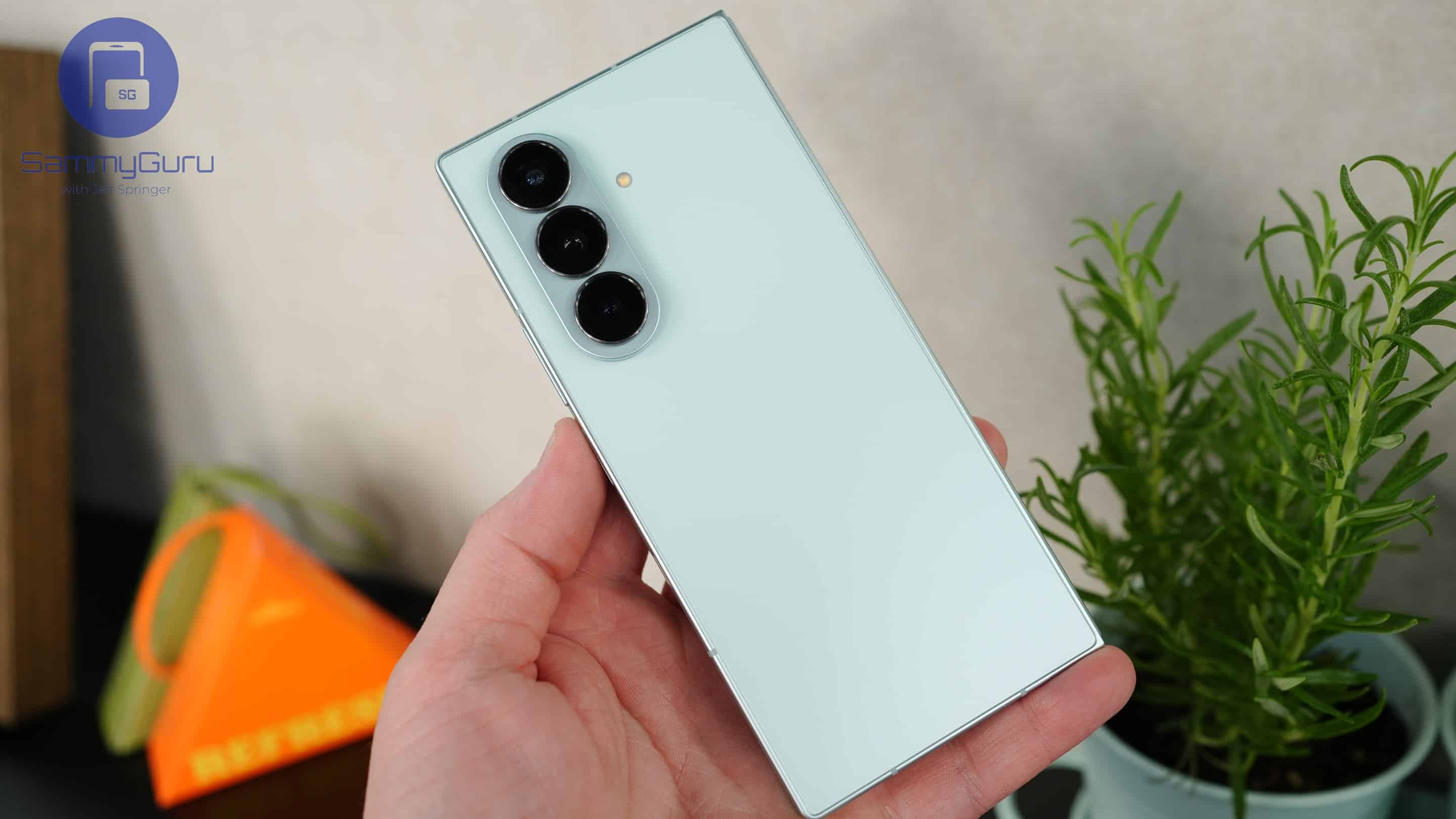
Samsung has replaced the underwhelming 4MP under-display selfie camera on the inside with a 10MP punch-hole unit. This means a substantial improvement in selfie quality. The external selfie shooter remains unchanged, so you get another 10MP punch-hole camera. Nonetheless, the Fold 7’s camera hardware upgrades could be a major reason for photo and video enthusiasts to switch from the Fold 6.
Battery and charging: No change here
Despite all the innovation, battery capacity remains the same at 4,400mAh, with 25W wired charging, 15W wireless charging, and 4.5W reverse wireless charging. Given the Fold 7’s thinner body, this is understandable, but some power users might have hoped for a battery bump. Samsung does tout improvements in battery life, thanks to a more efficient processor and advanced software optimization.
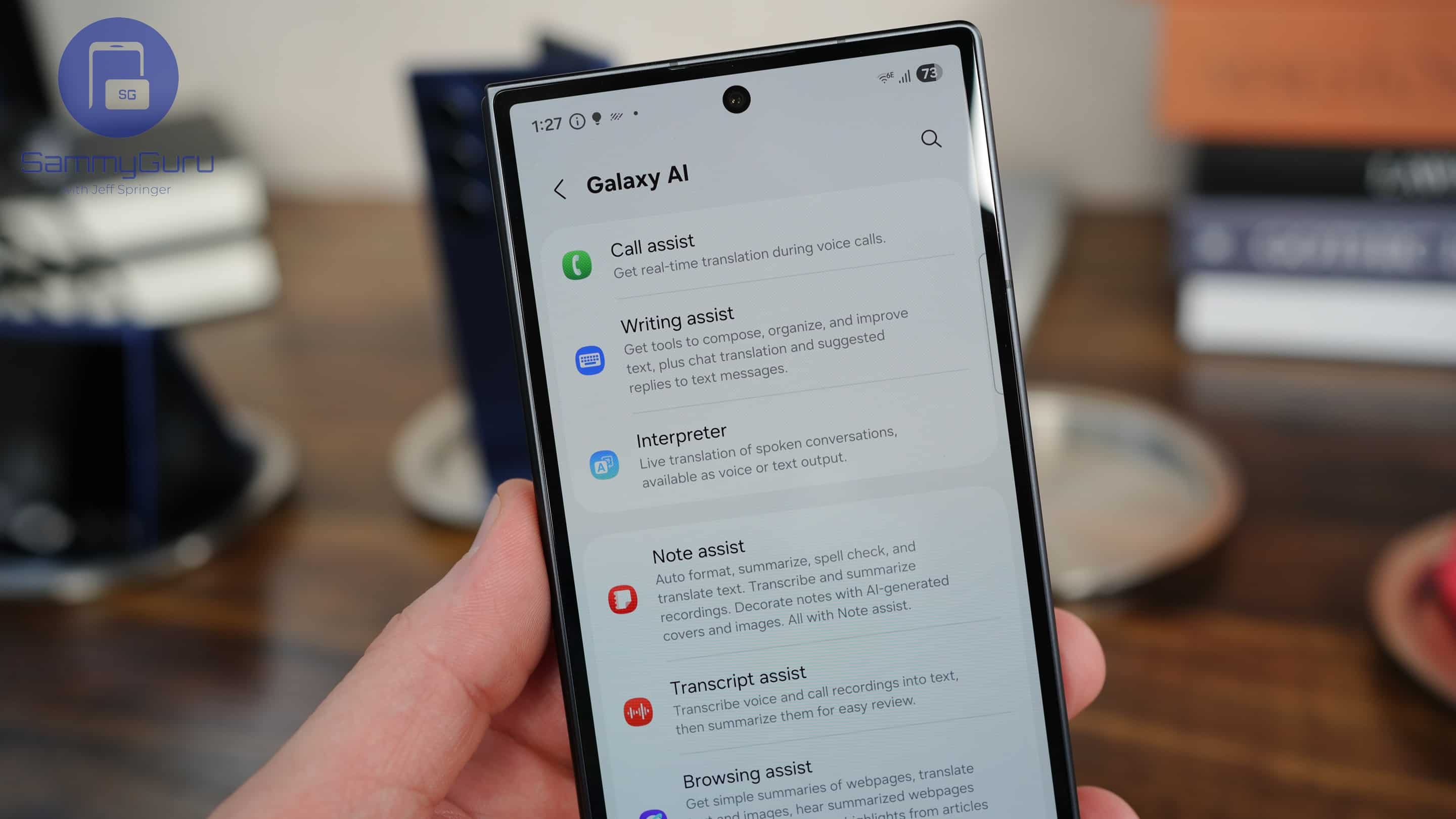
The Fold 7 is also Qi2-ready, meaning you get Qi2 benefits like magnetic alignment when using compatible magnetic cases. Moreover, the new model ships with Android 16-based One UI 8 out of the box. While the Fold 6 will receive this update, it will be the second major OS upgrade for the device, meaning only five more OS upgrades remain. The Fold 7 will receive seven generations of OS upgrades.
Should you make the switch?
Yes — if you want the best foldable experience money can buy. The Galaxy Z Fold 7 isn’t just a minor iteration. With larger displays, significantly improved durability, better cameras, faster connectivity, and a thinner, lighter build, Samsung has managed to deliver a genuine leap in just one generation. It’s a rare year-over-year upgrade that feels meaningful, especially for those who use their foldables as productivity or media machines.
If you’re still on the Fold 5 or earlier, this is a no-brainer. But even for Fold 6 users, the Galaxy Z Fold 7 is worth a serious look. Samsung is currently taking pre-orders for the new model, offering a free storage upgrade and several other benefits. With our Mystery Box program, you score additional goodies at no extra cost.
Sign up for our Mystery Box program and pre-order the Galaxy Z Fold 7 today to get a $50 credit and a FREE Mystery Box! Every Mystery Box includes a premium phone case, screen protector, cleaning kit, and desktop phone stand — all absolutely free.

Follow us on Google Discover & set us as a preferred source in Google News
Share this Post
___________________________


New Blog Posts
___________________________
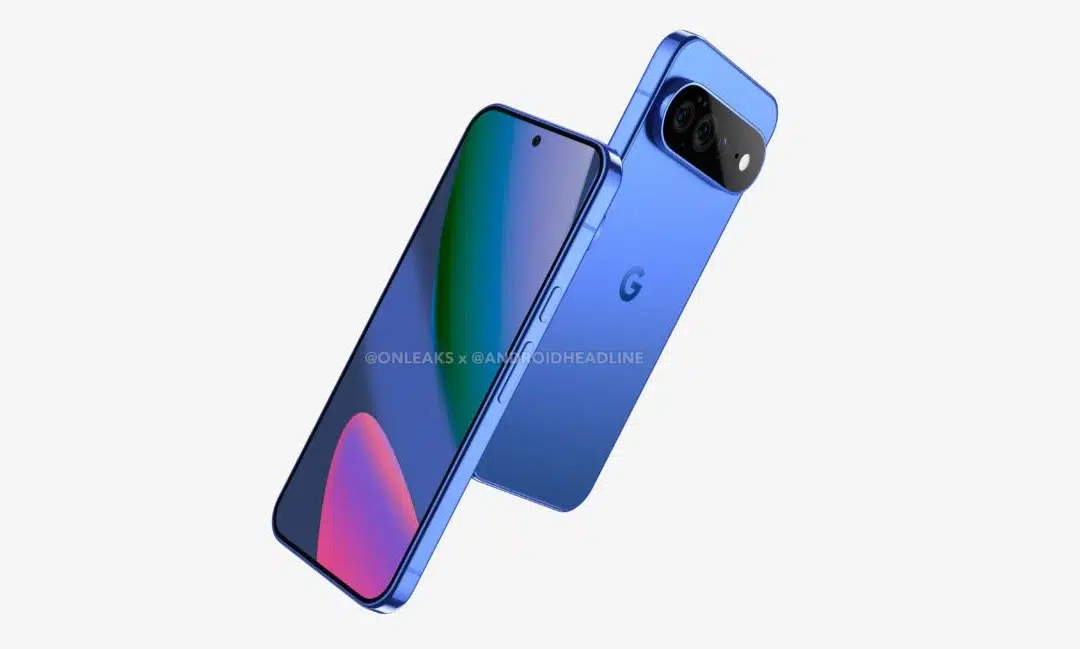
First Set of Pixel 11 Pro XL Renders Are Here
Pixel 11 Pro XL CAD renders show minimal design changes
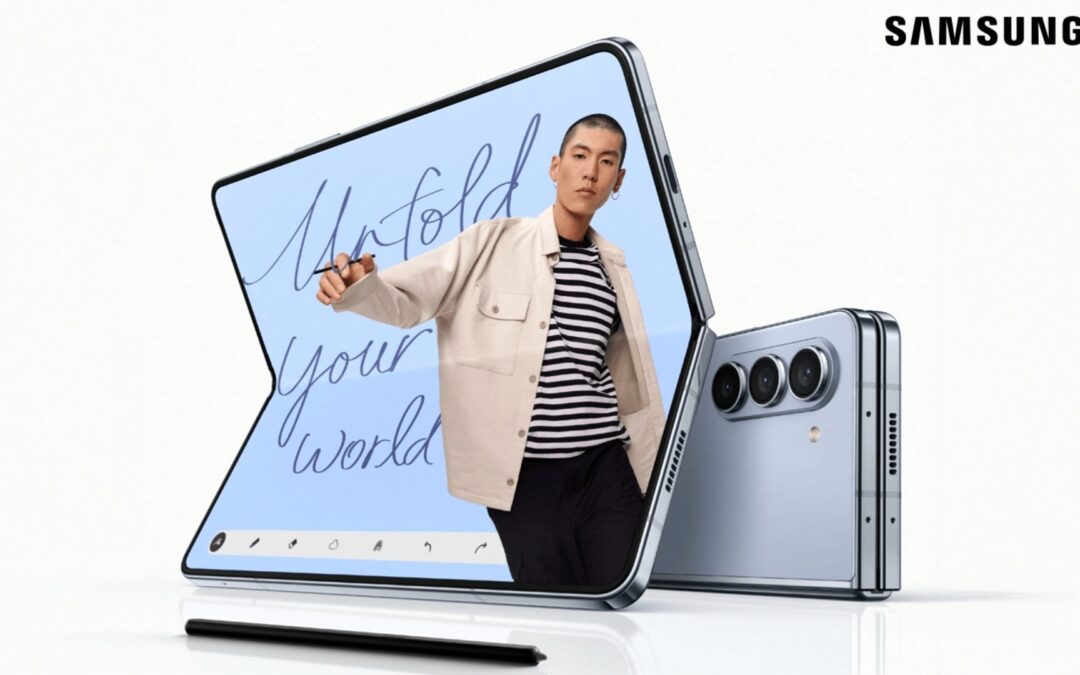
Is Samsung Preparing One UI 8.5 Beta for Galaxy Z Fold 5 and Flip 5?
Samsung may launch a One UI 8.5 beta program for its 2023 foldables
Galaxy S25 One UI 8.5 Beta May Run Longer Than Expected
Galaxy S25 series’ One UI 8.5 beta may stretch to 10 rounds