
Galaxy S27 Ultra’s Snapdragon Chip May Use TSMC’s Advanced 2nm Process
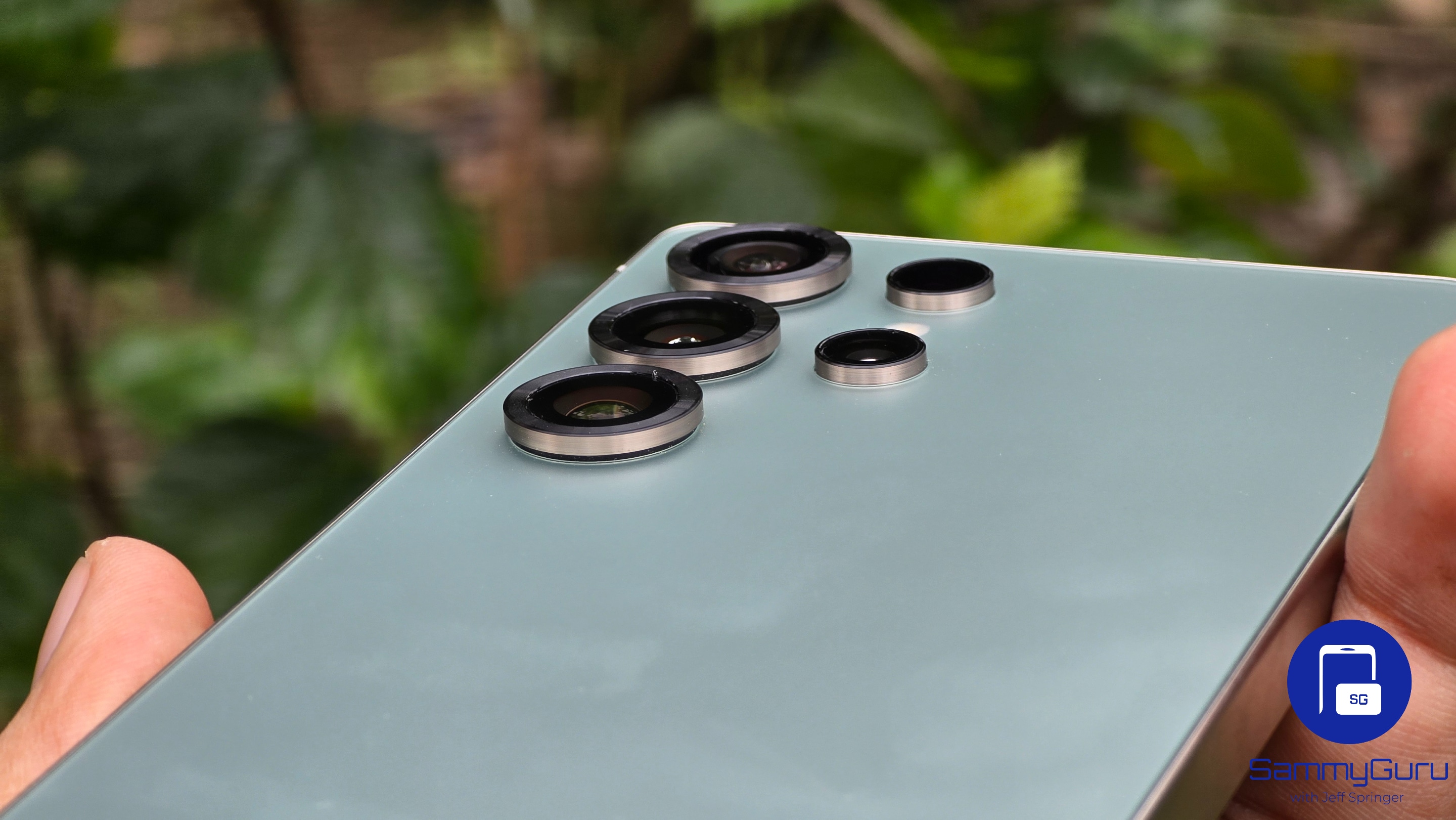
Samsung’s Galaxy S27 Ultra, expected in early 2027, may set a new benchmark for smartphone performance and efficiency. The Korean company will likely equip the phone with Qualcomm’s next-generation Snapdragon 8 Elite Gen 6 processor. A fresh leak now suggests that this chip will use TSMC’s advanced N2P (2nm) process technology, skipping the N2 (2nm) node.
Qualcomm’s Snapdragon 8 Elite Gen 6 may use TSMC’s advanced N2P node
Built on TSMC’s N3P (3nm), Qualcomm’s latest flagship chip, the Snapdragon 8 Elite Gen 5, already delivers incredible power efficiency and performance. While there had been speculation that next year’s Snapdragon 8 Elite Gen 6 will use TSMC’s 2nm node, we didn’t know which specific version of the technology Qualcomm will choose. Noted tipster Digital Chat Station (via Jukan) finally clears that up.
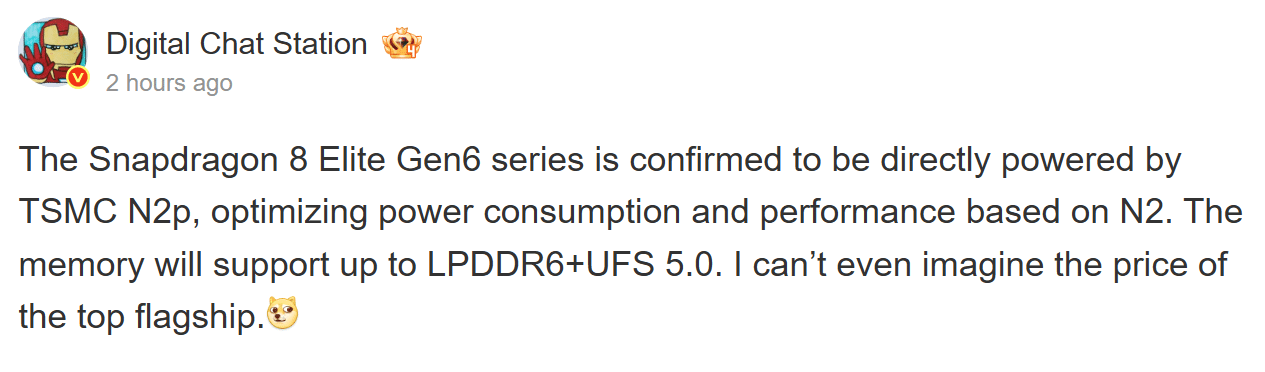
Qualcomm appears to be skipping the N2 process and going straight to the more advanced N2P node. The N2 node is TSMC’s first to adopt GAA (Gate-All-Around) nanosheet transistors. Building on the same design rules, the Taiwanese chipmaker also introduced the N2P process, offering 5% performance boost over N2. In comparison with N3E, N2P delivers up to an 18% speed improvement and a 36% reduction in power consumption.
However, such cutting-edge technology could come at a higher cost. The tipster hinted that the price of the Snapdragon 8 Elite Gen 6 may increase greatly. This could also mean a steep retail price for the Galaxy S27 Ultra compared to its previous generations.
Apart from the manufacturing process, the tipster also said that the Snapdragon 8 Elite Gen 6 will support LPDDR6 RAM and UFS 5.0 storage. LPDDR6 is the sixth generation of mobile RAM, while UFS 5.0 is the next generation of Universal Flash Storage. Whether Samsung will adopt these technologies in the Galaxy S27 Ultra remains to be seen.
Meanwhile, the Korean firm is developing its in-house 2nm-based Exynos 2600 mobile chip. This SoC will reportedly power the Korean units of the upcoming Galaxy S26 series.

Follow us on Google Discover & set us as a preferred source in Google News
Share this Post
___________________________


New Blog Posts
___________________________
First Set of Pixel 11 Pro XL Renders Are Here
Pixel 11 Pro XL CAD renders show minimal design changes

Is Samsung Preparing One UI 8.5 Beta for Galaxy Z Fold 5 and Flip 5?
Samsung may launch a One UI 8.5 beta program for its 2023 foldables
Galaxy S25 One UI 8.5 Beta May Run Longer Than Expected
Galaxy S25 series’ One UI 8.5 beta may stretch to 10 rounds