
Galaxy S27 Ultra Could Feature Polar ID Facial Recognition
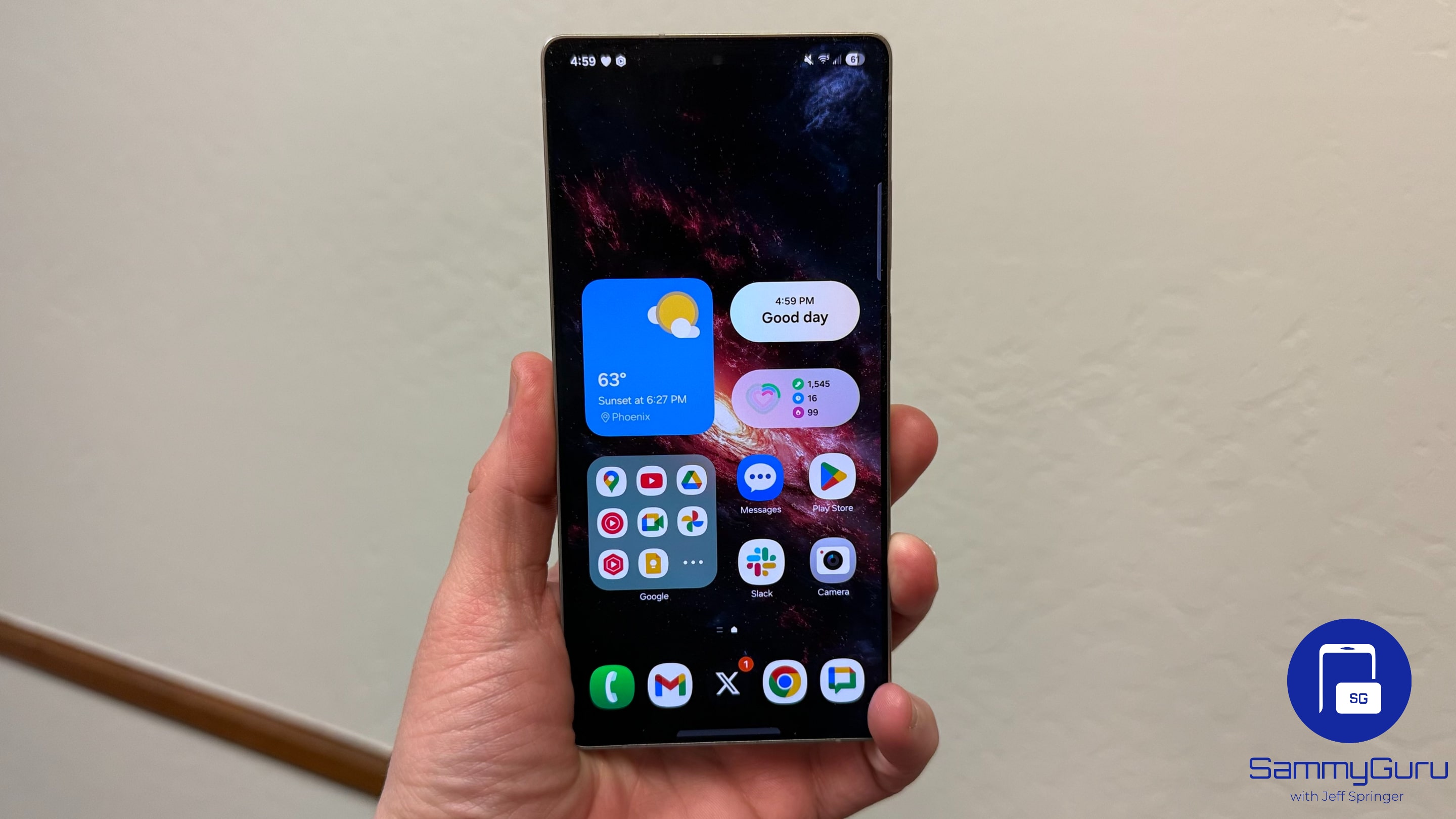
Samsung appears to be working on a cutting-edge smartphone unlock solution. The company’s future flagship devices, like the Galaxy S27 Ultra, could feature a new facial recognition system called Polar ID. If it pans out, this will be a big leap in face authentication since the iris scanner on the Galaxy S8.
Polar ID works within a selfie punch-hole camera
Samsung discontinued its iris scanner starting with the Galaxy S10 series to pursue edge-to-edge displays. The company then began putting its focus on in-display fingerprint scanners, which are fast and reliable. While Galaxy phones also offer face unlock, it uses standard camera imaging and may not be secure enough for tasks like mobile payments. Polar ID could finally redefine traditional facial recognition.
According to tipster @phonefuturist, Samsung has developed Polar ID in collaboration with Metalenz, which could debut in Galaxy S27 Ultra. The system uses polarized light instead of traditional 2D photography or 3D depth mapping to identify a user’s face. It focuses on how human skin reflects and scatters near-infrared light.
Polar ID relies on near-infrared light rather than the display, it doesn’t need the screen to flash bright white in dark rooms. Plus, it can recognize users even if they’re wearing a face mask or sunglasses.
Furthermore, Polar ID combines advanced hardware and software to securely authenticate the user. For example, it uses meta-optics, a nanostructured flat surface, to control polarized light. Likewise, Samsung’s ISOCELL Vizion 931 records the visual image and polarization data simultaneously.
The most notable benefit of Polar ID is its compact size. Unlike standard secure face recognition systems that depend on a dot projector, an IR camera, and a flood illuminator, Polar ID sits within a single punch-hole camera. This is why Apple’s Face ID solution needs a big cutout at the top of the screen.
The Polar ID module is about 50% smaller than traditional 3D systems. The system uses a shared optical path for both the selfie camera and the security sensor, allowing Samsung to retain the hole-punch design. It unlocks the phone in about 180 milliseconds, making it a premium facial recognition solution.

Follow us on Google Discover & set us as a preferred source in Google News
Share this Post
___________________________


New Blog Posts
___________________________
First Set of Pixel 11 Pro XL Renders Are Here
Pixel 11 Pro XL CAD renders show minimal design changes

Is Samsung Preparing One UI 8.5 Beta for Galaxy Z Fold 5 and Flip 5?
Samsung may launch a One UI 8.5 beta program for its 2023 foldables
Galaxy S25 One UI 8.5 Beta May Run Longer Than Expected
Galaxy S25 series’ One UI 8.5 beta may stretch to 10 rounds