Galaxy Phones Attract Young Fans with AI and Design — No Longer ‘Uncle Phones’
SammyGuru is reader-supported. We have affiliate and sponsored partnerships, so we may earn a commission when you buy through links on our site — at no extra cost to you. Learn more.
Finally, Samsung’s Galaxy smartphones are gaining a lot of popularity among young South Koreans. These consumers previously preferred Apple’s iPhone and even gave the Korean brand the tag “Uncle phone.” Thanks to the introduction of slimmer designs and powerful AI features, the company is now attracting teens, people in their 20s, and 30s in its home market.
Samsung’s Galaxy phones win over young South Koreans
A recent Gallup Korea poll (via Korea Herald) shows that consumers between 18 and 29 are increasingly choosing Galaxy over iPhone. Among 1,002 respondents, 46 percent in this age group said they would pick a Galaxy as their next smartphone, up from 36 percent in 2024. Meanwhile, the preference for iPhone declined from 60 percent to 50 percent. This suggests that younger people are leaning towards Samsung’s latest designs and technology.
Social media and viral content have greatly helped build a new perception of Samsung among young people. In a YouTube video (reached over a million views in a month), a female singer praises Galaxy phones for their features and design. In her song, To all friends using Galaxy, she sings, “From SE to 15, I’ve used all the iPhones you haven’t. Don’t mock me, I know everything about iPhones. But now I use Galaxy. You call me tteulttak (oldie), but I like the 16:9 cinema screen.”
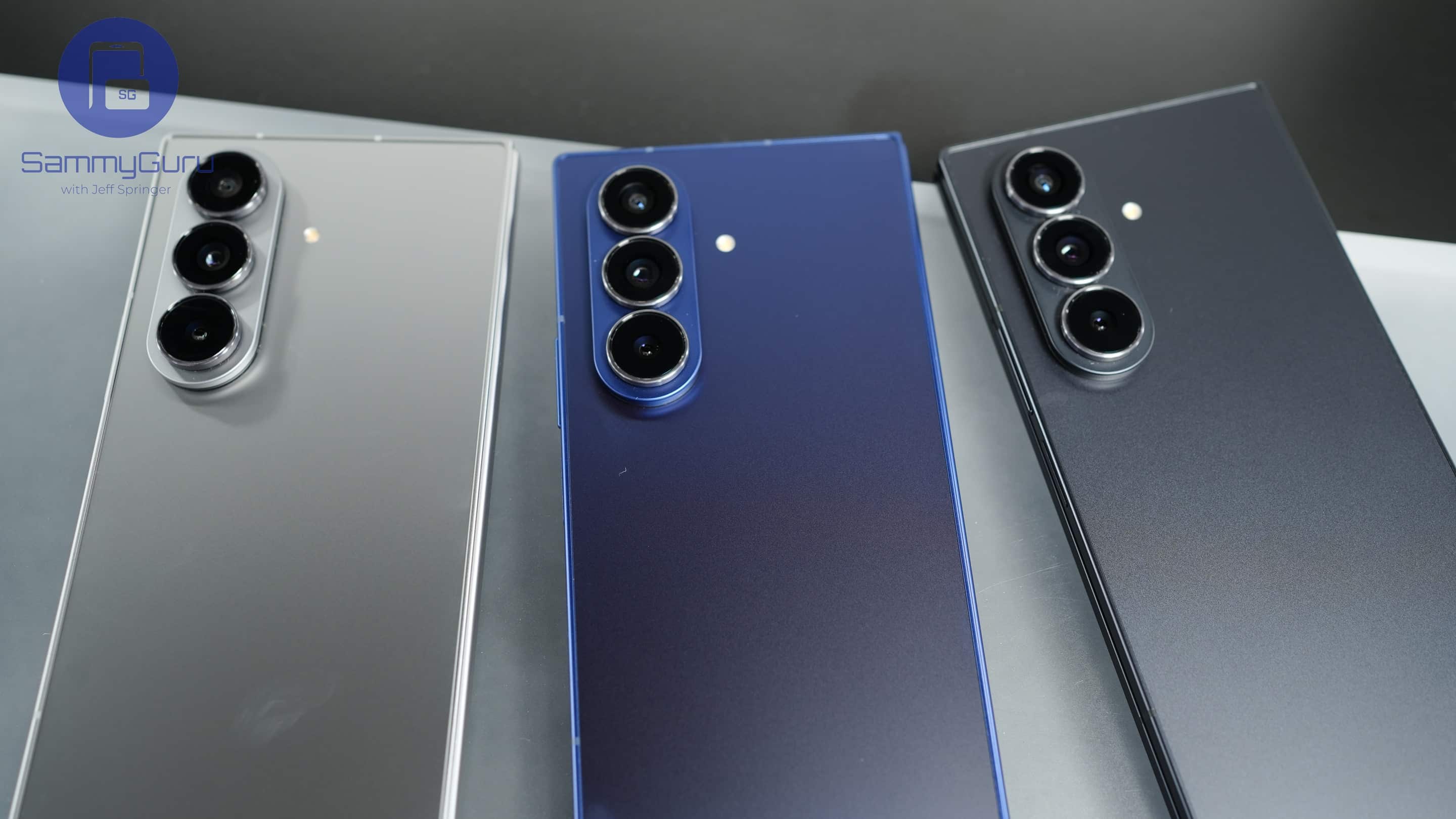
Another viral clip highlighted Samsung’s latest foldable innovations. “You don’t need an umbrella because it does not get wet when it is folded, you don’t need a tripod wherever you are, my two hands are free,” she sings. The book-style foldable is no longer a bulky device — the new Z Fold 7 features a thickness of just 8.9 mm when folded and 4.2 mm when unfolded, with a weight of 215 g. A Samsung executive said the company is seeing a strong response from customers in their teens, 20s, and 30s.
Furthermore, Samsung’s powerful Galaxy AI features and integration with Google’s Gemini have played a major role. The company captured 82% of the domestic smartphone market between January and July 2025, while Apple secured only 18%.

Written by
Binay KonwarBinay Konwar started his blogging journey in 2014 and has since written plenty of tech articles. At present, he is working as a News Writer at SammyGuru, covering everything about Samsung. He holds a Master's degree in Mathematics, but his real passion lies in tech and writing. In his free time, he enjoys playing chess and watching movies.

Follow us on Google Discover & set us as a preferred source in Google News
Share this Post
___________________________


New Blog Posts
___________________________
First Set of Pixel 11 Pro XL Renders Are Here
Pixel 11 Pro XL CAD renders show minimal design changes
Is Samsung Preparing One UI 8.5 Beta for Galaxy Z Fold 5 and Flip 5?
Samsung may launch a One UI 8.5 beta program for its 2023 foldables
Galaxy S25 One UI 8.5 Beta May Run Longer Than Expected
Galaxy S25 series’ One UI 8.5 beta may stretch to 10 rounds