
Galaxy Buds 4 Series Won’t Repeat Predecessor’s Mistakes
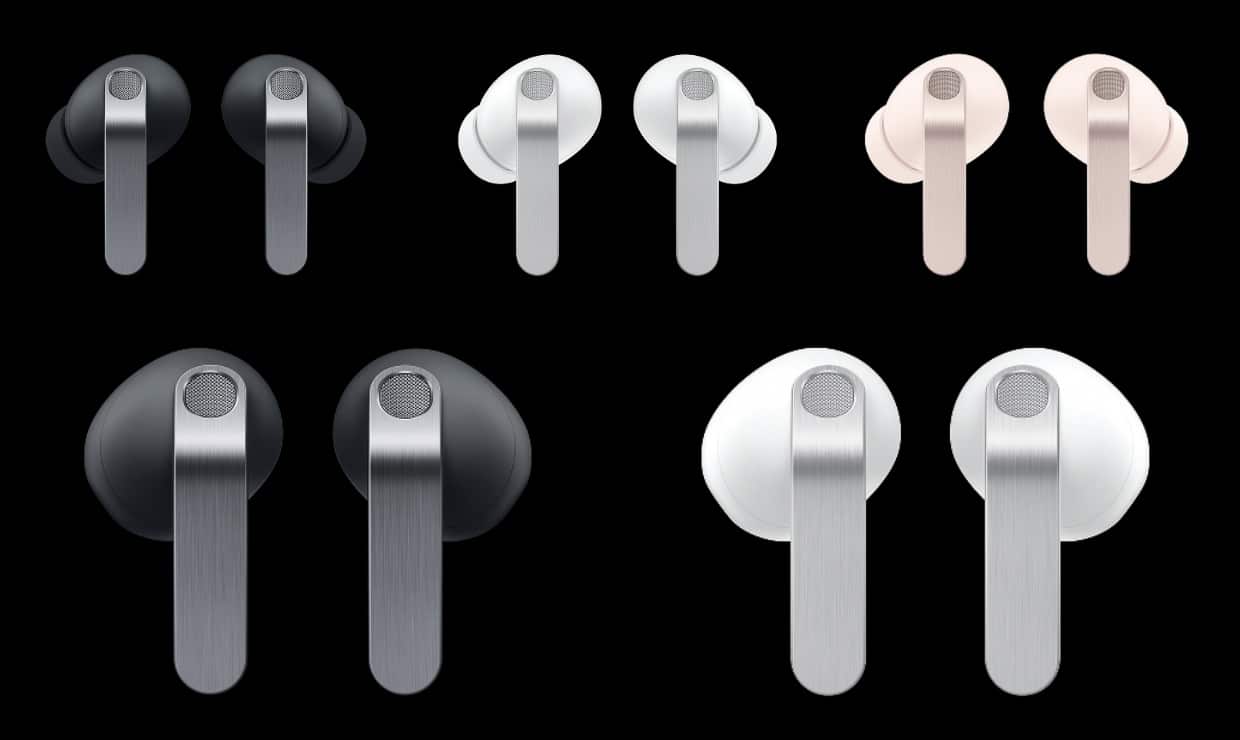
Samsung is readying its next-generation wireless earbuds, the Galaxy Buds 4 and Galaxy Buds 4 Pro. We already know about their design and key features thanks to early leaks. Now, a fresh report suggests the company has focused on design stability while improving the practicality of the earbuds. It aims to avoid issues that appeared on its previous models.
Galaxy Buds 4 series may focus on design stability and practicality
According to ETNews, Samsung will unveil the Galaxy Buds 4 and Galaxy Buds 4 Pro at the Galaxy S26 Series Unpacked event on February 25 in San Francisco, USA. The report also says the Galaxy Buds 4 Pro may feature the same stem-style design as its predecessor but with a more refined shape. The earbuds could be thinner, flatter, and more linear in shape.
Samsung may use a brushed metal finish on the upcoming earbuds instead of the Blade Light LED, seen on the previous model. As such, we could see improvement in both aesthetics and reliability. The Galaxy Buds 3 Pro faced several quality controversies. For example, some users reported gaps between the left and right sides, inconsistent LED lengths, and poor paint finish. The upcoming Buds 4 series seems to address these concerns with a focus on quality finish and functionality.
The charging case could see some tweaks as well. It will likely feature a horizontal design, with the earbuds lying flat inside. There could be a Find My Phone button and a USB-C port. If you press the button, the connected smartphone should ring, allowing you to locate a misplaced device easily.
Reports suggest Galaxy Buds 4 may use a 42 mAh cell per earbud, smaller than its predecessor’s 48 mAh. However, the Buds 4 Pro could feature a 57 mAh battery per earbud, larger than the predecessor’s 53 mAh. The Buds 4 series may also offer head gesture control, 360 audio, active noise cancellation (ANC), and enhanced real-time translation. Samsung may debut the lineup at the same price as its predecessor in markets like Europe and South Korea.

Follow us on Google Discover & set us as a preferred source in Google News
Share this Post
___________________________


New Blog Posts
___________________________
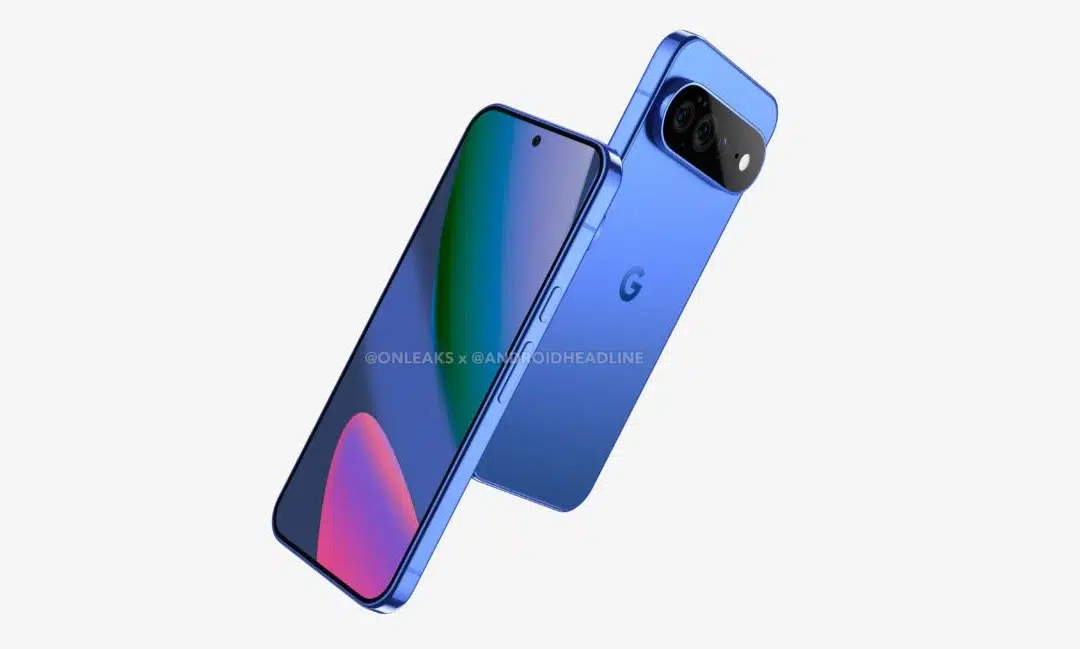
First Set of Pixel 11 Pro XL Renders Are Here
Pixel 11 Pro XL CAD renders show minimal design changes

Is Samsung Preparing One UI 8.5 Beta for Galaxy Z Fold 5 and Flip 5?
Samsung may launch a One UI 8.5 beta program for its 2023 foldables
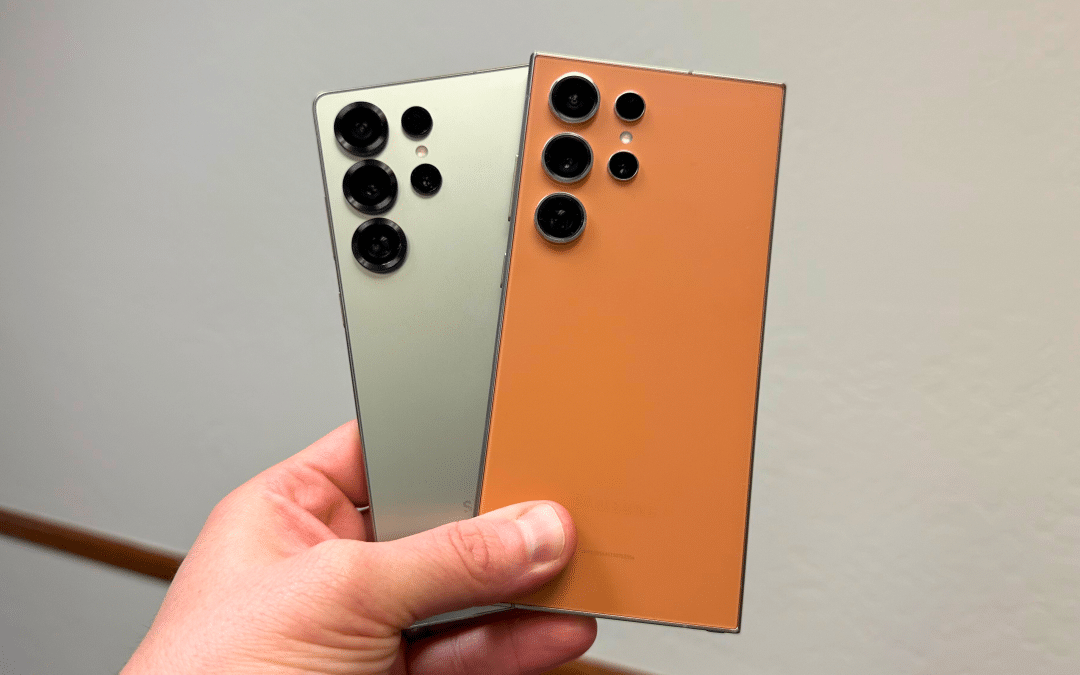
Galaxy S25 One UI 8.5 Beta May Run Longer Than Expected
Galaxy S25 series’ One UI 8.5 beta may stretch to 10 rounds