
Exynos 2600’s New HPB Packaging Promsies 30% Cooler Performance
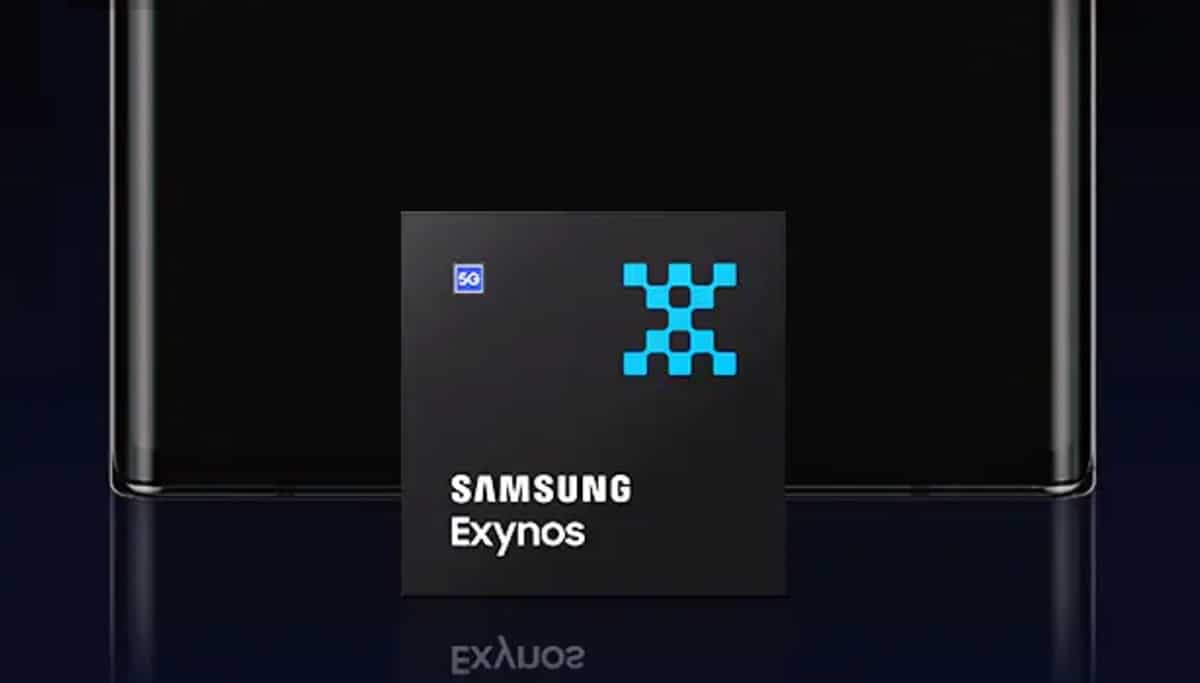
Samsung’s flagship Exynos lineup is gearing up for a strong comeback next year. The 2nm Exynos 2600 is widely expected to power the upcoming Galaxy S26 series, including the Ultra, in several markets. In a recent disclosure, a company executive confirmed that the chip will debut a breakthrough HPB (Heat Pass Block) packaging technology aimed at improving heat control and overall efficiency.
Exynos 2600 to feature Samsung’s new HPB packaging tech
Samsung is stepping up its game in chip packaging innovation, and the Exynos 2600 could showcase this effort. At a recent technology event in South Korea, a top Samsung official revealed that the upcoming in-house chipset will feature its new HPB packaging technology, promising up to 30% better heat control. It achieves lower operating temperatures by integrating a heat-dissipating block directly above the processor, together with the DRAM module.
This innovation allows heat to travel more efficiently away from the main processing core. Effectively, it helps maintain consistent performance even under sustained workloads such as gaming. Samsung’s System LSI division specifically optimized the Exynos 2600’s architecture around HPB, ensuring the chip takes full advantage of this new heat management system.
Traditionally, chip packaging has been treated as a back-end step, simply enclosing the silicon without affecting performance or thermal output. Samsung’s HPB solution flips that convention by making packaging an active contributor to heat control, power efficiency, and signal integrity. “Packaging is no longer the final-stage process but the starting point of system innovation,” said Kim Dae-woo, SVP of Samsung’s package development team.
With its improved thermals and efficiency, the Exynos 2600 could arrive as a major upgrade in Samsung’s in-house chip lineup. It remains to be seen is the company is confident enough to use the chip in the Galaxy S26 Ultra. The other two models are highly likely to run the new Exynos in some markets, if not globally.

Follow us on Google Discover & set us as a preferred source in Google News
Share this Post
___________________________


New Blog Posts
___________________________
First Set of Pixel 11 Pro XL Renders Are Here
Pixel 11 Pro XL CAD renders show minimal design changes

Is Samsung Preparing One UI 8.5 Beta for Galaxy Z Fold 5 and Flip 5?
Samsung may launch a One UI 8.5 beta program for its 2023 foldables
Galaxy S25 One UI 8.5 Beta May Run Longer Than Expected
Galaxy S25 series’ One UI 8.5 beta may stretch to 10 rounds