Do You Use Galaxy AI Tools for Photo Editing? Survey Says Most People Ignore Them
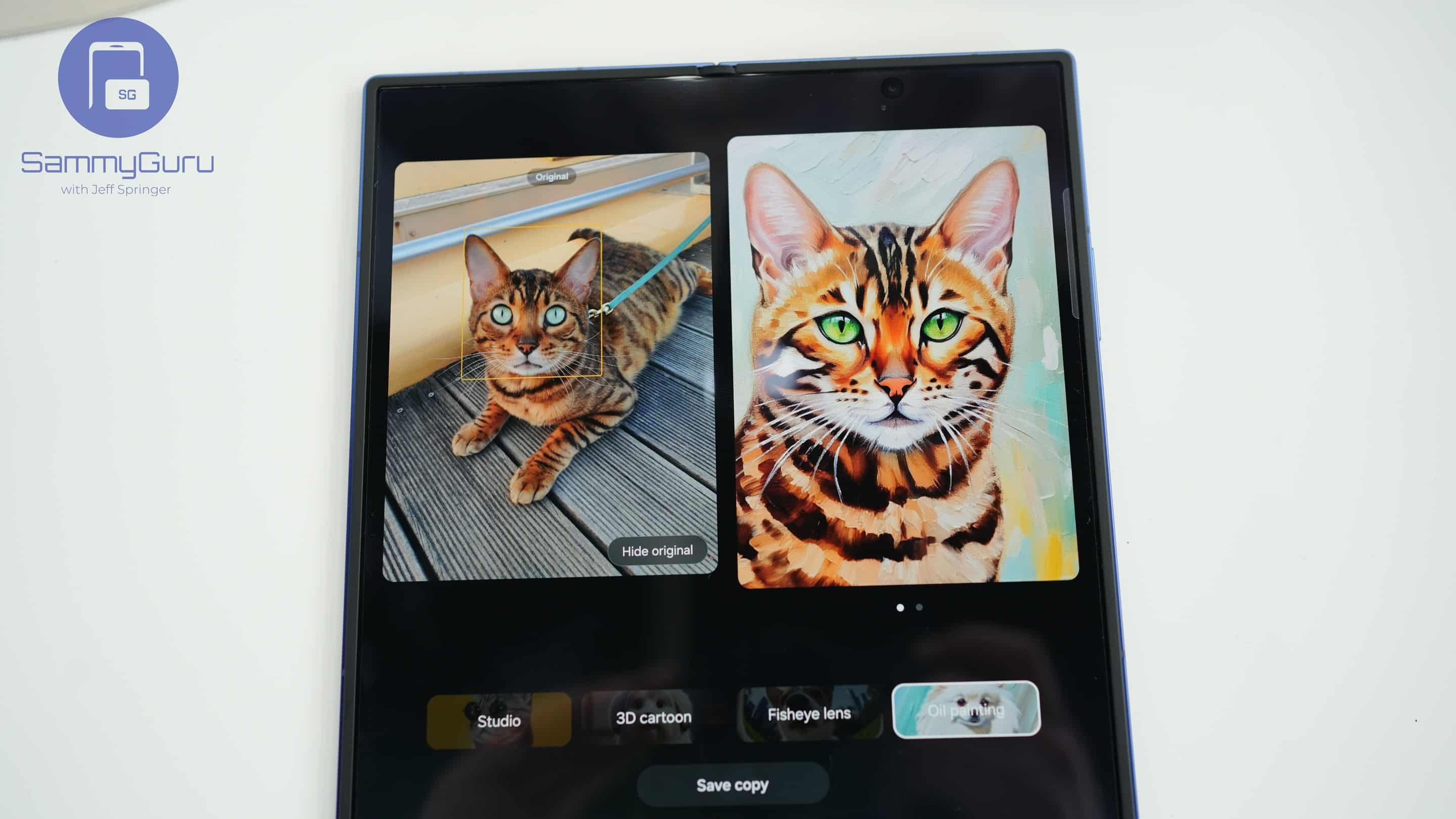
Galaxy AI can clean up messy photos, remove photobombers, and rescue shots you once thought were ruined, yet a new European survey reveals something unexpected. Most Samsung users are leaving these tools untouched, even when they notice the very problems the AI is designed to fix.
Small survey suggests Galaxy AI photo editing tools are less popular than expected
Even Generative Edit, one of Samsung’s flashiest AI features, is barely being used. It allows you to remove distracting objects, move elements around, or fill in missing parts of a photo with AI. The feature even went viral online for its striking results compared to Apple’s approach. However, real-world usage tells a very different story.
According to research shared by Samsung, people do notice things they want to fix in their pictures. Nine out of ten respondents said they spot unwanted elements in their photos. These include photobombers, stray objects, shadows or reflections that take away from an otherwise good shot.
About 7 of 10 people said they’ve never tried Galaxy AI tools to fix photo issues
Despite this, 74 percent of those surveyed have never tried the AI tools built into their phones to fix these issues. People know the tools exist, but they simply do not open them. Samsung believes that discoverability is the biggest hurdle. Photo Assist, for example, lets you erase distractions or resize objects directly in the Gallery app. Yet Samsung says only about a quarter of people actually use AI features like this.
The research also revealed another challenge. More than half of the respondents said that taking photos pulls them out of the moment they want to enjoy. Samsung thinks Galaxy AI can help with this as well. It says, capture the moment without worrying about perfection, then fix the issues later with AI. I’m not sure my photographer friends will agree to this.
It is worth noting that the survey itself was small. Only 500 adults across ten European countries took part between October 28 and November 7, 2025. Even so, the results conclude that while tools are powerful, users won’t adopt them unless they are easier to find.
Follow us on Google Discover & set us as a preferred source in Google News
Share this Post
___________________________


New Blog Posts
___________________________
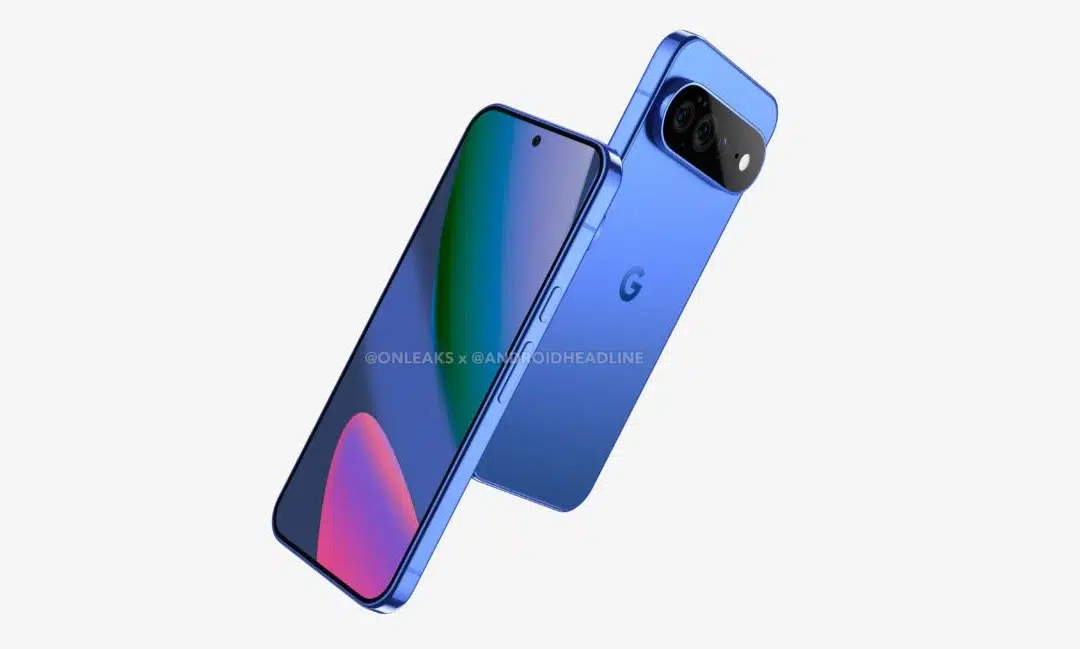
First Set of Pixel 11 Pro XL Renders Are Here
Pixel 11 Pro XL CAD renders show minimal design changes
Is Samsung Preparing One UI 8.5 Beta for Galaxy Z Fold 5 and Flip 5?
Samsung may launch a One UI 8.5 beta program for its 2023 foldables
Galaxy S25 One UI 8.5 Beta May Run Longer Than Expected
Galaxy S25 series’ One UI 8.5 beta may stretch to 10 rounds