
Apple’s Galaxy Glasses Rival May Feature Two Cameras
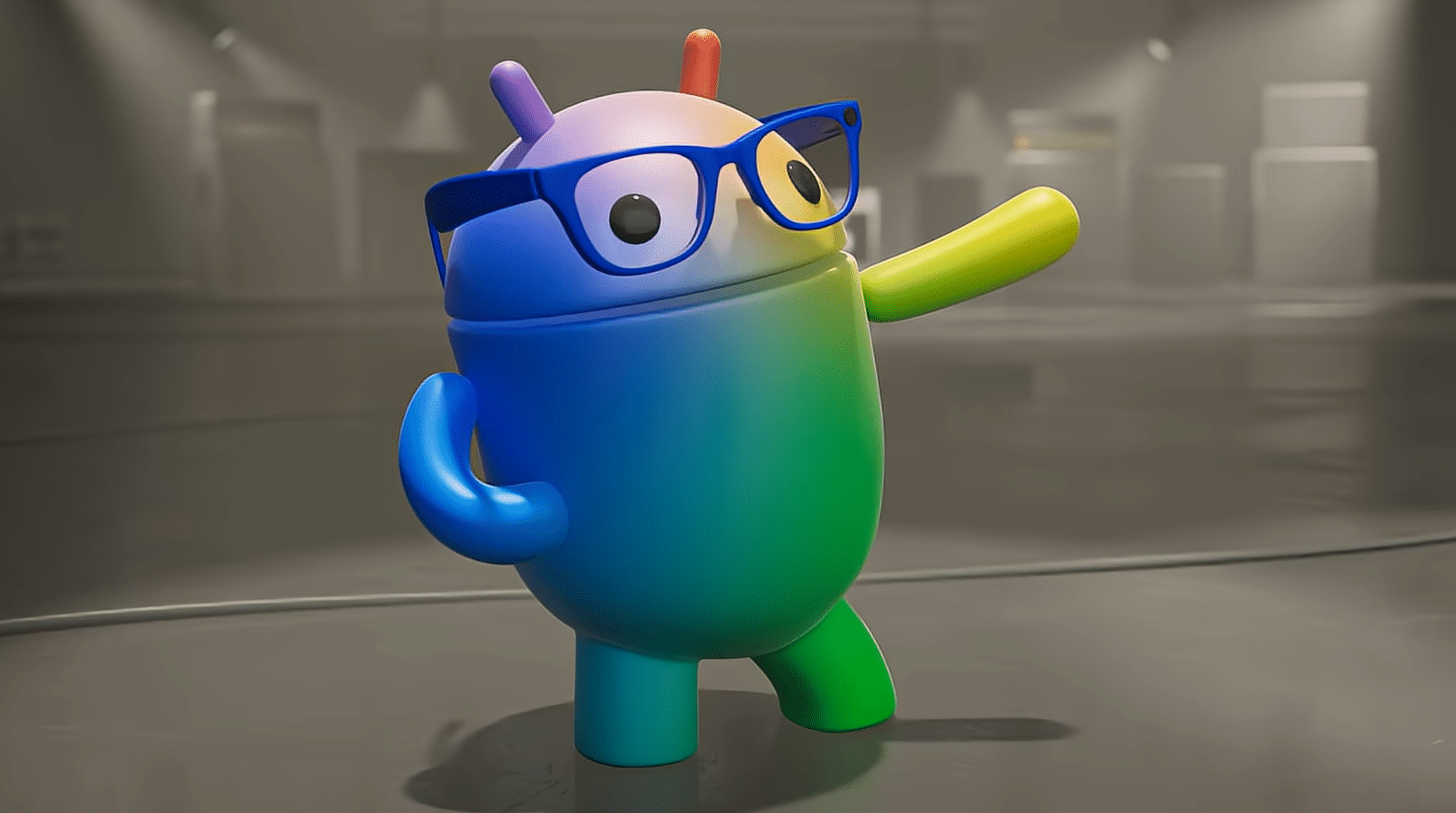
It is no secret that Apple is developing smart glasses to expand its AI-powered wearable portfolio. A fresh report now reveals key details about the glasses, including the implementation of a dual-camera setup. If true, this could give Apple an advantage over Samsung’s upcoming Galaxy Glasses that reportedly depend on a single camera.
Apple accelerated its smart glasses development
According to a report from Bloomberg, Apple has ramped up development of its smart glasses project (codename N50). The company has sent a wider range of prototypes to its hardware engineering teams. This suggests the firm has made considerable progress in recent months on its glasses. Production could begin as early as December 2026, with a plan to release sometime in 2027.
The report also says that Apple’s first-generation smart glasses could launch without a built-in display. Instead, the device may focus on AI and environmental understanding through Siri integration. Thanks to built-in microphones and speakers, you will be able to make calls, play music, and more. For a premium feel, they may use high-end materials like acrylic elements.
Apple could use two cameras on its smart glasses for different tasks. The main unit will capture high-resolution photos and videos while dedicating computer vision tasks. Speaking of the secondary camera, the glasses will be able to better understand their surroundings and measure the distance between objects. “The smart glasses are planned to be positioned as an advanced offering in the company’s AI hardware lineup, intended to compete with Meta’s camera-equipped eyewear,” the report noted.
Meanwhile, Samsung is also gearing up to introduce its first display-less smart glasses (tentatively Galaxy Glasses) this year. While the Galaxy Glasses could also feature microphones and speakers, they may only pack a single 12MP camera capable of taking both images and videos. The unit should also be able to handle AI-related tasks. Technically, this could put Samsung’s offering at a disadvantage compared to those of its arch-rival, Apple.

Follow us on Google Discover & set us as a preferred source in Google News
Share this Post
___________________________


New Blog Posts
___________________________
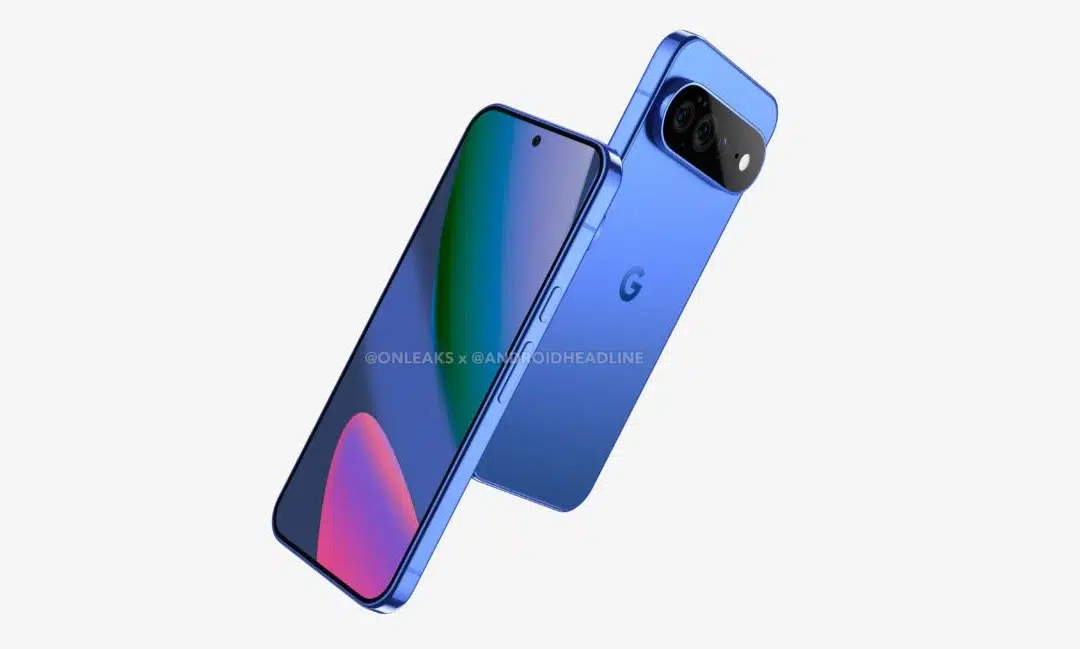
First Set of Pixel 11 Pro XL Renders Are Here
Pixel 11 Pro XL CAD renders show minimal design changes
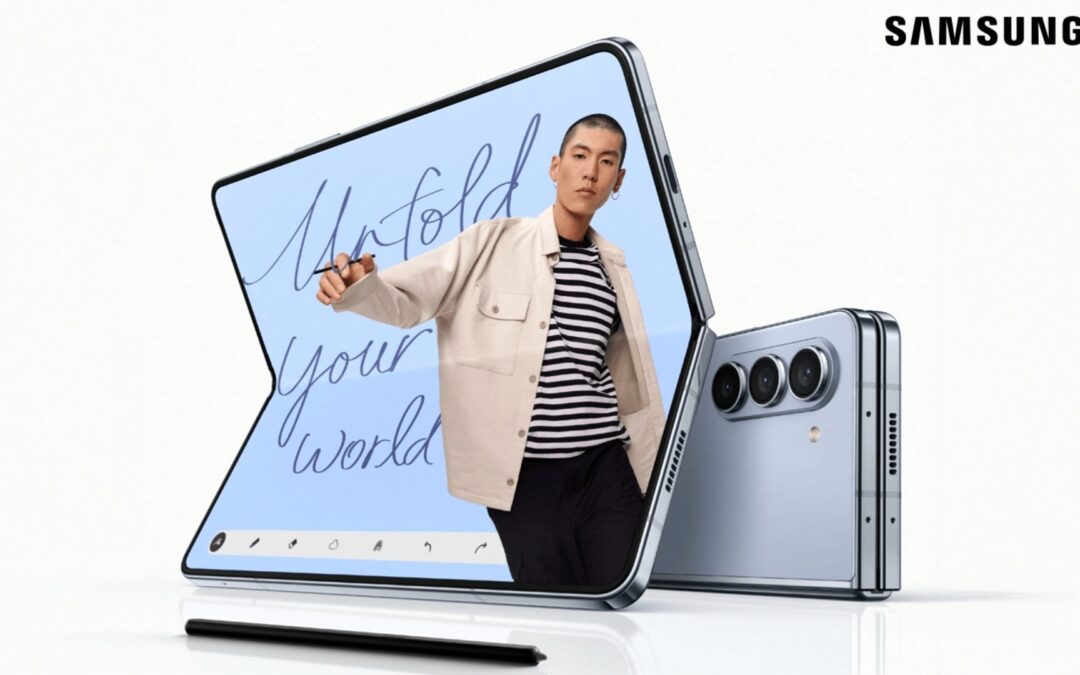
Is Samsung Preparing One UI 8.5 Beta for Galaxy Z Fold 5 and Flip 5?
Samsung may launch a One UI 8.5 beta program for its 2023 foldables
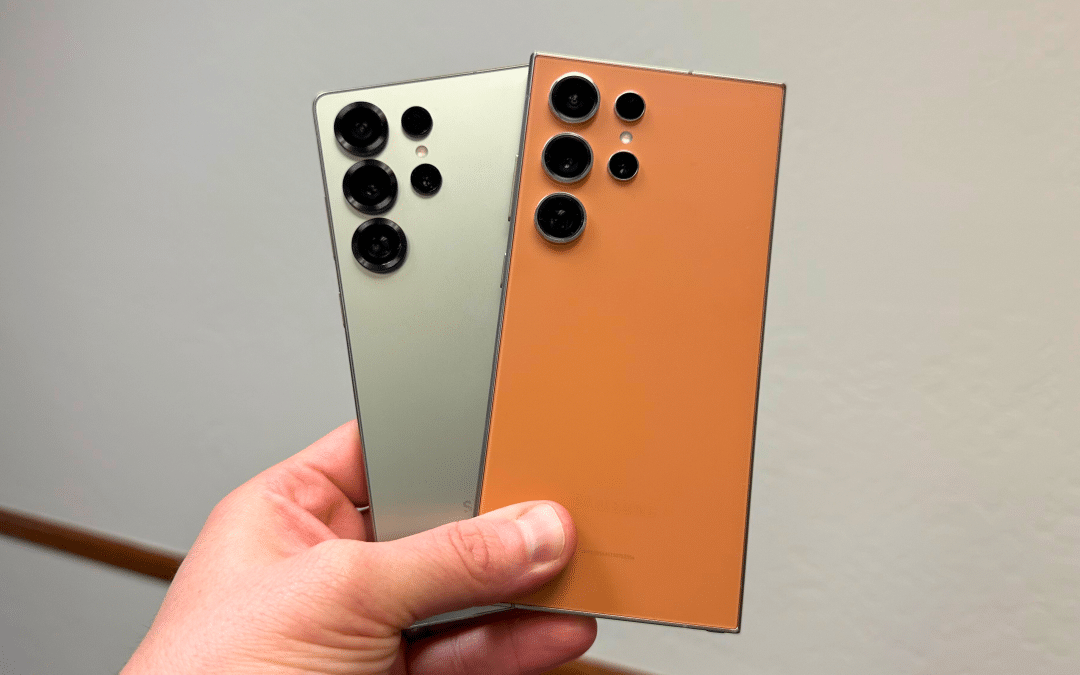
Galaxy S25 One UI 8.5 Beta May Run Longer Than Expected
Galaxy S25 series’ One UI 8.5 beta may stretch to 10 rounds