
Android 17 Beta 2 Hints at Chrome OS-Style Security Feature

Google just rolled out Android 17 Beta 2, and while most of the visible changes focus on developer tools and multitasking improvements, something interesting appeared behind the scenes. This change focuses on how external devices interact with your phone’s memory, a small detail that could have big security implications.
Android may limit memory access for Thunderbolt and USB 4 devices
According to Android Authority, the code inside the new beta suggests that Android may soon adopt a Chrome OS-style security feature for Thunderbolt and USB 4 accessories. In Android 17 Beta 2, the outlet discovered references to a new setting called “Data access protection.” This feature would limit how external accessories connected through USB 4 or Thunderbolt interact with system memory.
On Chrome OS devices, this protection already exists. By default, Chromebooks block direct memory access from connected hardware unless the user explicitly allows it. Google added that safeguard because giving external devices direct access to system memory can create security risks.
Now, it looks like Android could adopt the same idea. If the feature goes live, users might see a toggle in the USB preferences menu that controls whether connected devices can access system memory at full speed. Turning it on could improve performance for certain hardware, but it may also expose the system to potential attacks.
Enterprise controls and Advanced Protection Mode
Google may also connect this new setting with enterprise device management tools. That would allow IT administrators to disable the option entirely on managed devices. Android’s Advanced Protection Mode could also override the setting automatically.
When that mode is active, the system might block memory access regardless of user preference, prioritizing security over speed. This approach mirrors Chrome OS, where security features often lock down risky hardware interactions by default.
Right now, Android 17 Beta 2 users won’t actually see this feature yet. Developers only found it inside the system code during analysis of the update. Because of that, Google could still modify or even remove it before Android 17 reaches its final release.
Still, the discovery highlights an interesting path: Android continues to borrow ideas from Chrome OS as the two platforms gradually move closer together with Aluminium OS. This feature could make Android devices more resistant to hardware-based attacks, especially in enterprise environments. Would you prefer maximum hardware performance from USB devices, or tighter security protections on your phone?

Follow us on Google Discover & set us as a preferred source in Google News
Share this Post
___________________________


New Blog Posts
___________________________
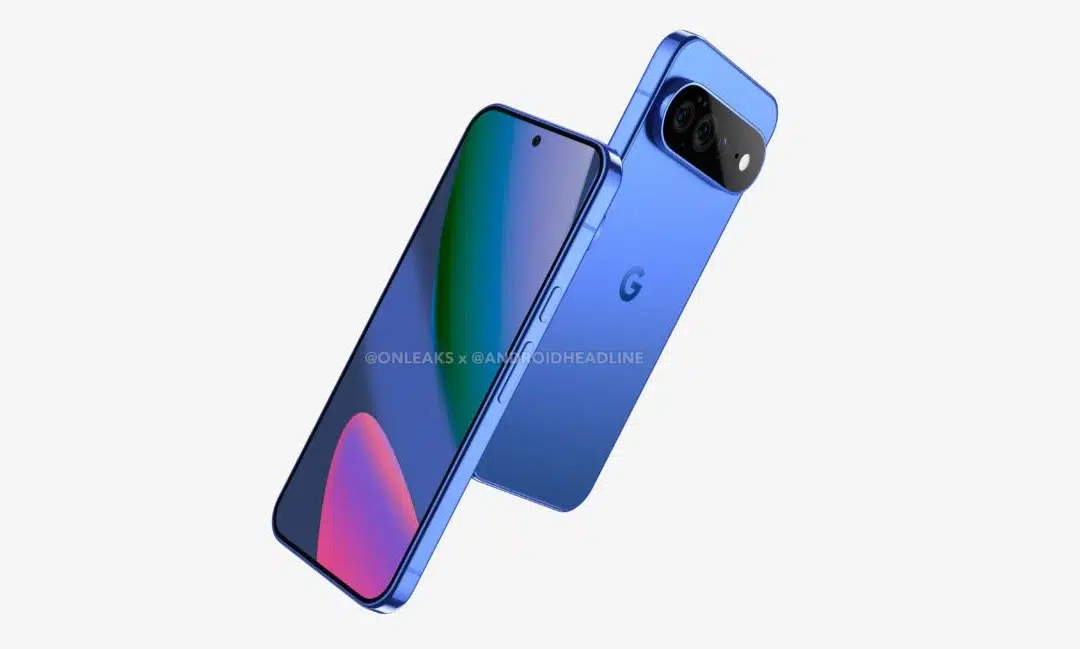
First Set of Pixel 11 Pro XL Renders Are Here
Pixel 11 Pro XL CAD renders show minimal design changes

Is Samsung Preparing One UI 8.5 Beta for Galaxy Z Fold 5 and Flip 5?
Samsung may launch a One UI 8.5 beta program for its 2023 foldables
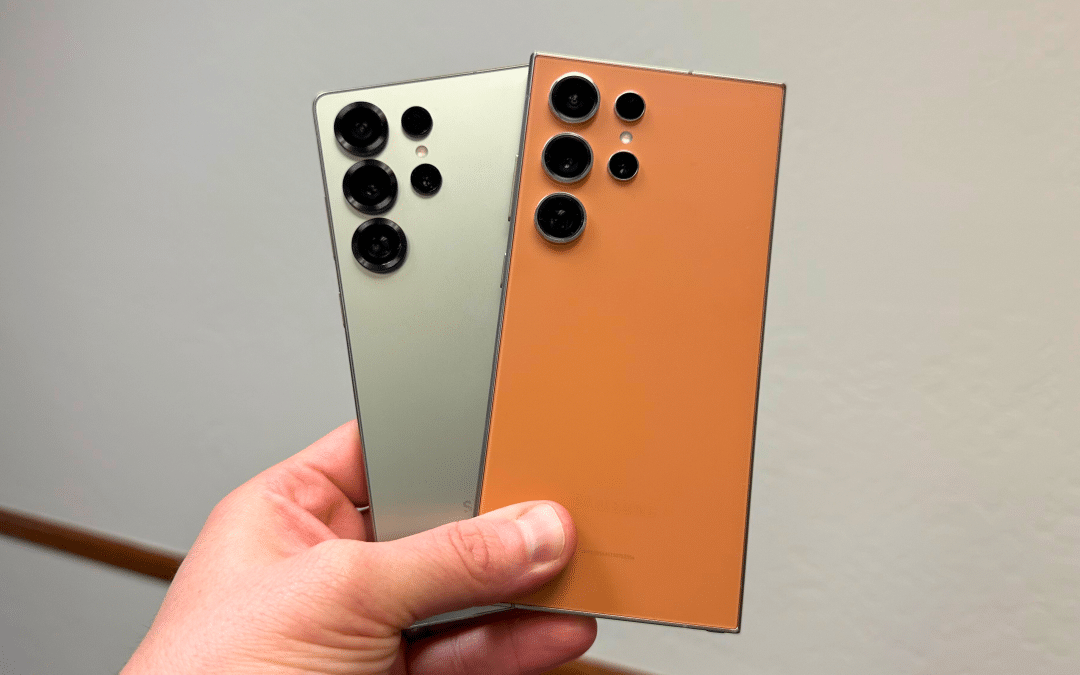
Galaxy S25 One UI 8.5 Beta May Run Longer Than Expected
Galaxy S25 series’ One UI 8.5 beta may stretch to 10 rounds