After Samsung Refused to Help, Apple Took 5G Modems Into Its Own Hands
SammyGuru is reader-supported. We have affiliate and sponsored partnerships, so we may earn a commission when you buy through links on our site — at no extra cost to you. Learn more.
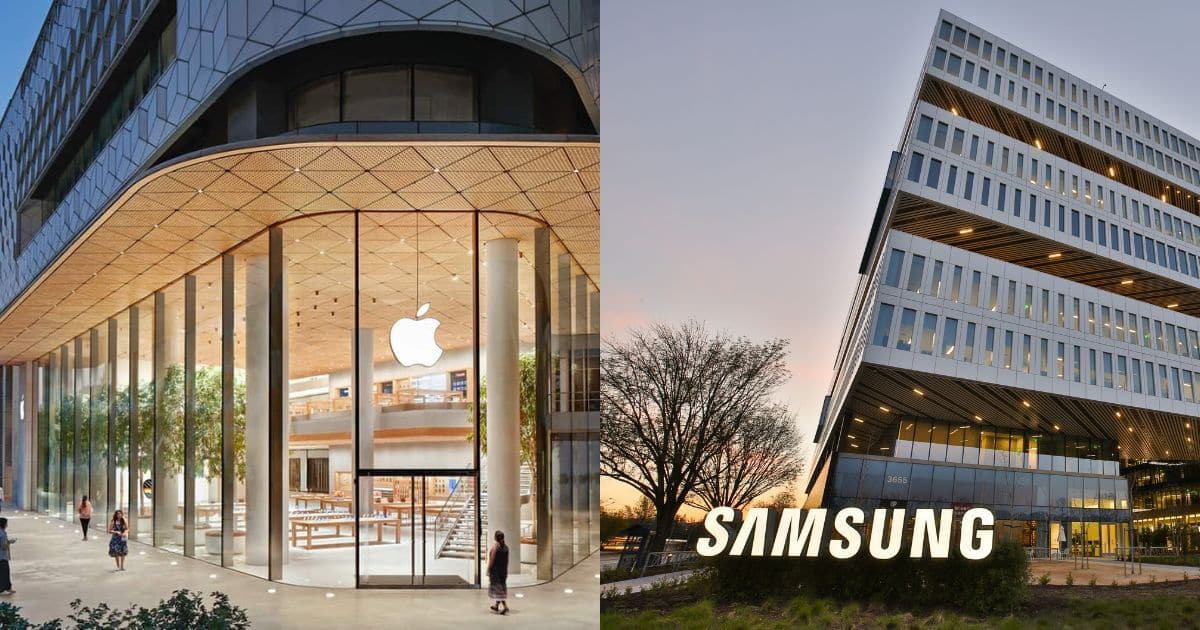
Apple’s latest iPhone 16e helped the company earn a lion’s share of the market in Q1 2025. But that’s not the big achievement we’re talking about. The iPhone 16e features Apple’s first in-house C1 5G modem, which marks a significant milestone for the Cupertino-based tech giant. However, new reports suggest that this may never have happened if Samsung had agreed to supply 5G modems to Apple.
Samsung executive didn’t want to help Apple by supplying 5G modem
Back in 2019, Samsung was one of the few companies with a working 5G modem, already powering the Galaxy S10 5G. It was then that Apple, wanting to move away from Qualcomm due to licensing disputes, reportedly entered talks with Samsung to use its 5G modem. However, those negotiations fell apart. According to reliable tipster Jukanlosreve, the breakdown wasn’t due to technical limitations alone. But internal pushback from a Samsung executive named Jung Hyun Ho.
Allegedly, Samsung’s Jung opposed helping Apple with the modem, viewing the company as a direct competitor in the global smartphone market. Despite Samsung’s long history of supplying components like OLED displays and DRAM to Apple, the executive reportedly believed selling 5G modems to Cupertino would have been a strategic mistake.
Ironically, this decision may have backfired. With Samsung off the table and its relationship with Qualcomm strained, Apple pushed forward with its own modem program, acquiring Intel’s smartphone modem division in 2020. That effort bore fruit with the launch of the C1 modem in the iPhone 16e, introduced earlier this year.
Samsung may have lost out on a multi-year, high-volume supply contract that could have added billions in revenue. More significantly, it may have inadvertently helped create a new competitor in the mobile chip space, as Apple accelerates its efforts to remove Qualcomm from its supply chain entirely by 2027.

Written by
Abhinav AnandAbhinav Anand is the News Editor at SammyGuru and a technology journalist based in New Delhi. Before joining SammyGuru, he contributed to numerous outlets, including Android Headlines, ExtremeTech, The Mac Observer, Financial Express, Economic Times, iGeeksBlog, KnowTechie, PhonesWiki, SlashGear, and more. You can reach him at abhinav@sammyguru.com.

Follow us on Google Discover & set us as a preferred source in Google News
Share this Post
___________________________


New Blog Posts
___________________________
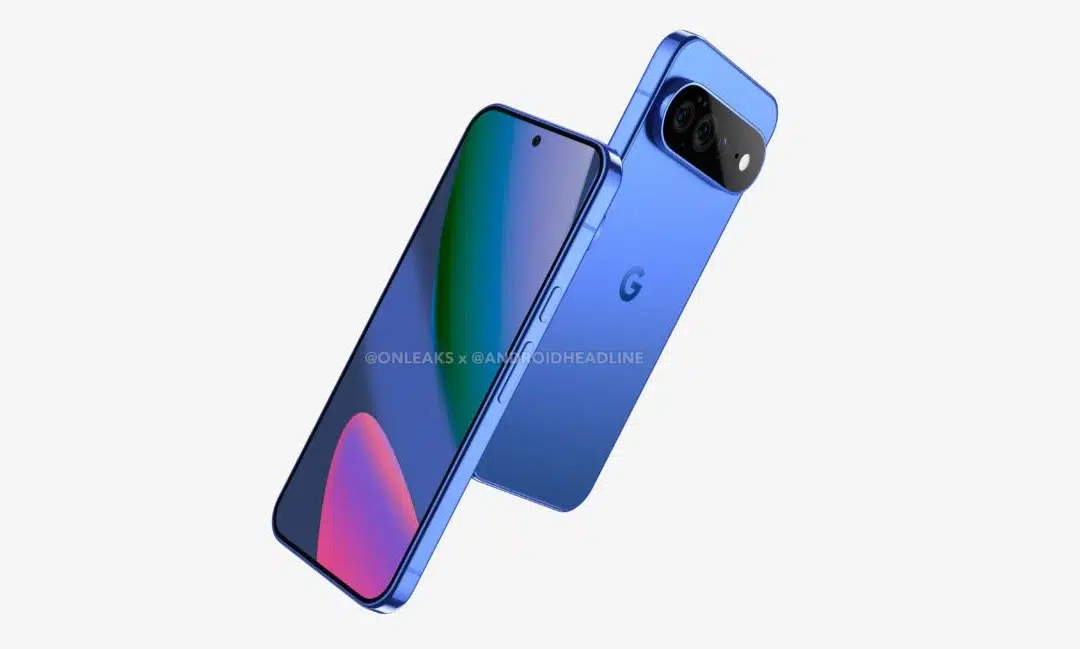
First Set of Pixel 11 Pro XL Renders Are Here
Pixel 11 Pro XL CAD renders show minimal design changes
Is Samsung Preparing One UI 8.5 Beta for Galaxy Z Fold 5 and Flip 5?
Samsung may launch a One UI 8.5 beta program for its 2023 foldables
Galaxy S25 One UI 8.5 Beta May Run Longer Than Expected
Galaxy S25 series’ One UI 8.5 beta may stretch to 10 rounds