Acefast Z9 80W Charger Review: More Style Than Substance
SammyGuru is reader-supported. We have affiliate and sponsored partnerships, so we may earn a commission when you buy through links on our site — at no extra cost to you. Learn more.
The Acefast Desktop Fast Wireless Charging Station Z9 aims high, as far as its name stretches. It’s a single GaN-powered charging hub designed to handle phones, laptops, tablets, smartwatches, and earbuds all at once. With an 80W maximum output, a 6-in-1 layout, and MagSafe support, it promises a clutter-free desktop solution tailored for power users. On paper, this charging station checks a lot of the right boxes.
I’ve been using the Acefast Z9 for a few weeks as my primary desk charger, powering everything from my laptop and phones to a tablet and wireless earbuds. While it has been fairly reliable, daily use has also revealed a few design and usability shortcomings that prevent it from feeling like a truly polished all-in-one solution.
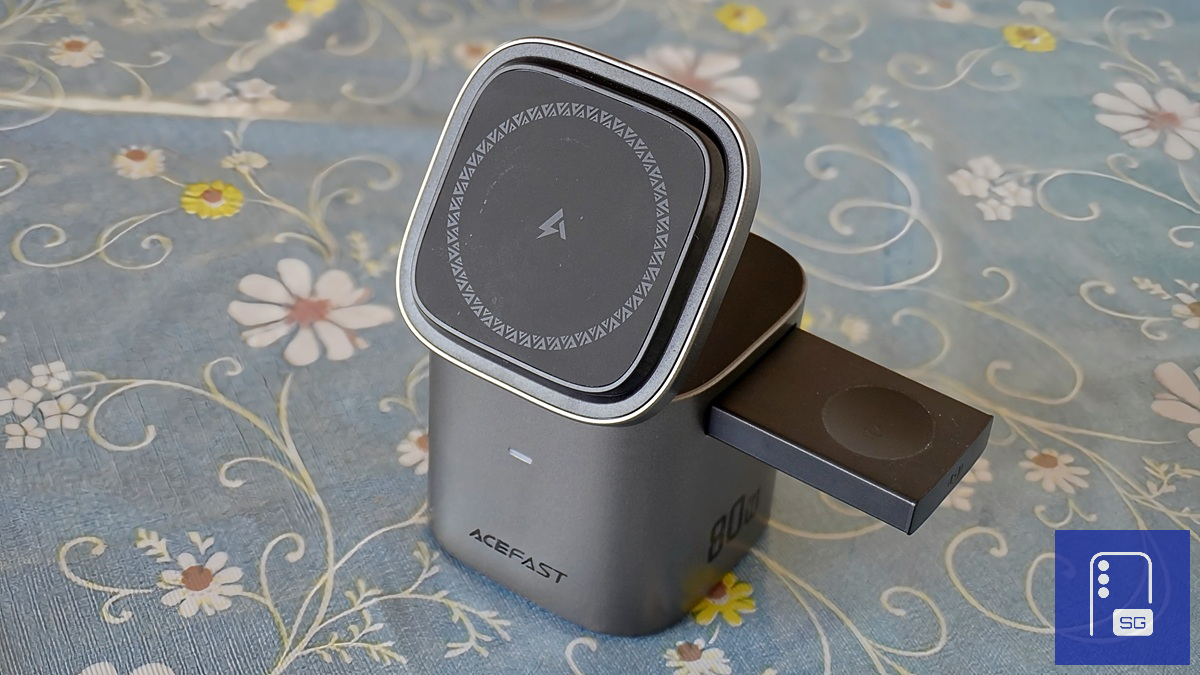
In this review, I’ll break down both the strengths and weaknesses of the Acefast Z9, covering design, charging performance, wireless functionality, and everyday practicality, so you can decide whether it’s worth adding to your setup. But before that, let us take a quick look at its key specifications:
- Wired charging ports: 1 USB-A, 1 USB-C, 1 USB-C built-in cable
- Wireless charging pads: 1 phone, 1 watch, 1 buds
- Charging protocols: PPS, PD3.0, QC4+, QC3.0, QC2.0, AFC, FCP, SCP (USB-C) / QC3.0, QC2.0, AFC, FCP, SCP (USB-A)
- Input: AC100-240V, 1.8A, 50Hz/60Hz, EU plug
- Wired output:
-
-
- USB-C cable: 60W max (5V/3A, 9V/3A, 12V/3A, 15V/3A, 20V/3A)
- USB-C port: 65W max (5V/3A, 9V/3A, 12V/3A, 15V/3A, 20V/3.25A)
- USB-A port: 18W max (5V/3A, 9V/2A, 12V/1.5A)
-
-
- Combined wired output:
-
-
- USB-C cable + USB-C port: 45W + 20W
- USB-C cable + USB-A port: 45W + 18W
- USB-C port + USB-A port: 15W (5V/3A)
- USB-C cable + [USB-C port + USB-A port]: 45W + [15W]
-
-
- Wireless output:
-
-
- Phone: 5W / 7.5W / 10W / 15W
- Watch: 2.5W
- Buds: 5W
-
-
- Maximum output: 80W
- Safety: Built-in over-voltage, over-current, over-power, short-circuit, over-temperature, EMI, and interference protection
Disclaimer: Acefast provided a review unit of the Desktop Fast Wireless Charging Station Z9. The company had no input in this review and did not see it before publication. All opinions expressed here are my own, based on more than three weeks of real-world use.
Solid build quality, but not without design flaws
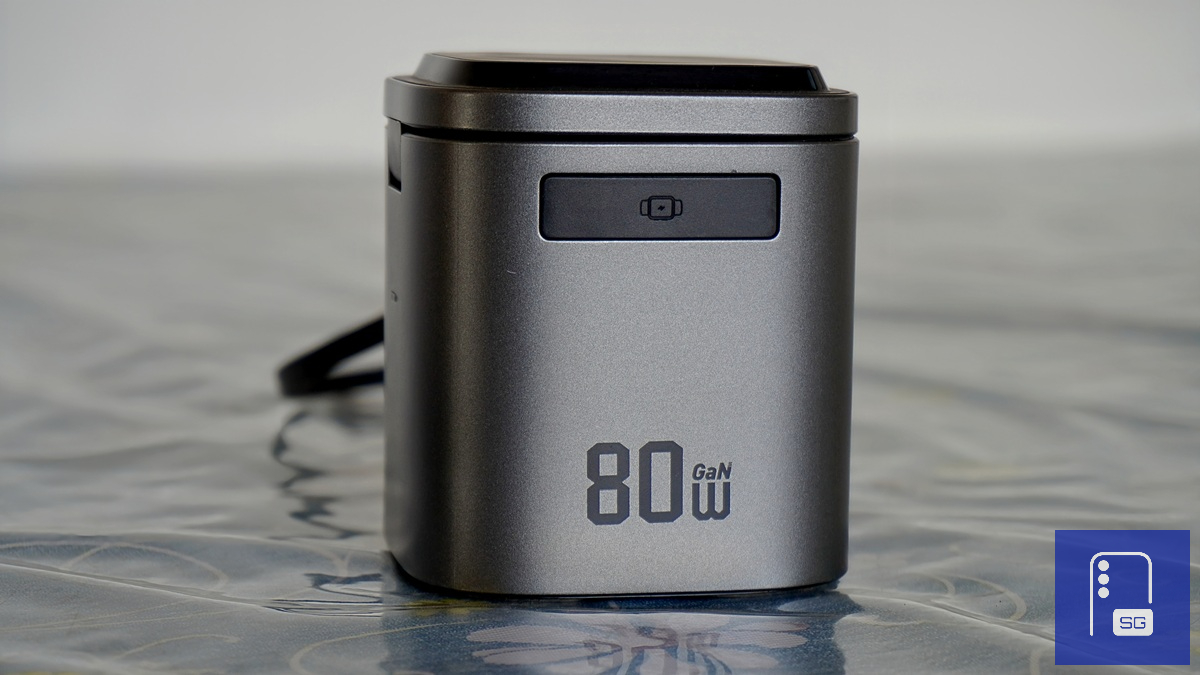
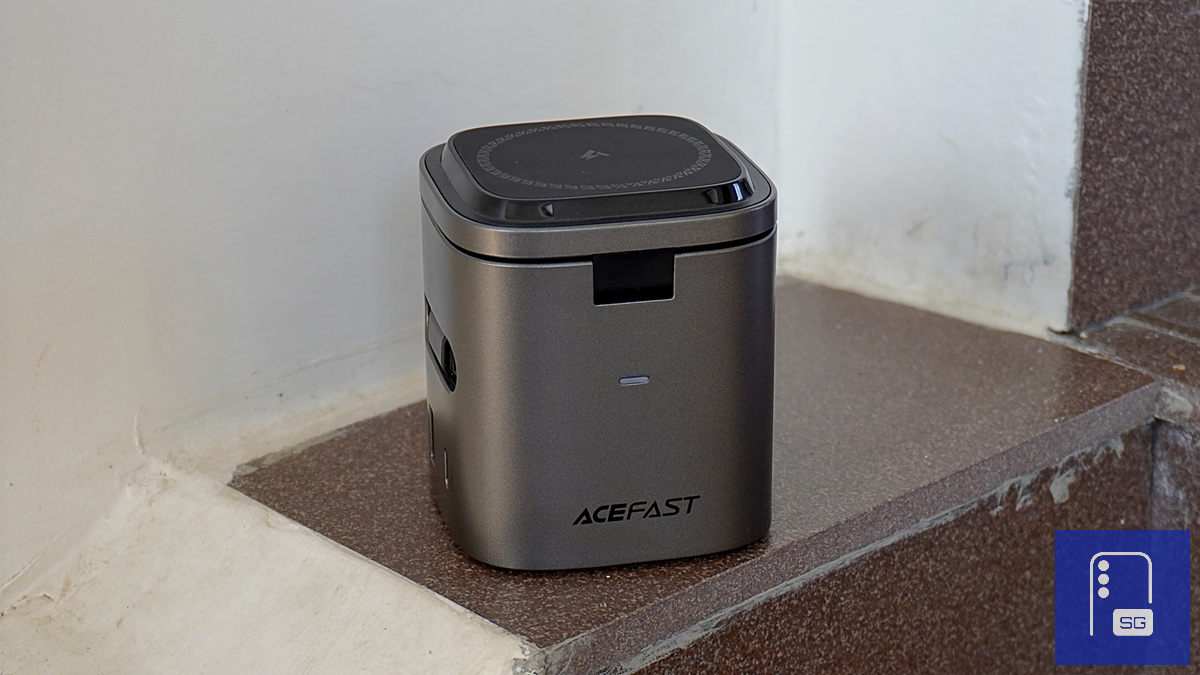
The Acefast Z9 makes a strong impression with a premium matte-metal look, giving it a sturdier feel than most desktop chargers. The brick isn’t made of metal, of course, but its metallic finish doesn’t retain fingerprints or smudges. It is also pretty resistant to scratches. Acefast has used Flame-retardant polycarbonate (PC) materials here, reducing fire risks.
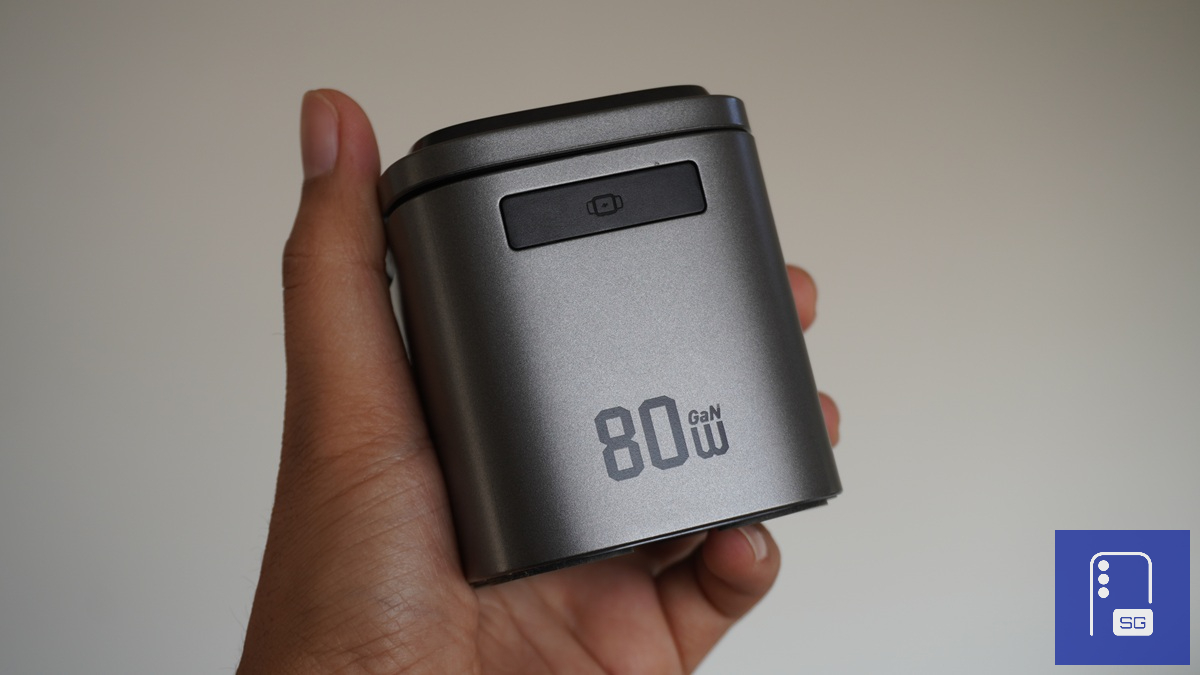
With a footprint of about 83 × 72.5 × 72.5 mm, this isn’t the most compact 80W multi-charger out there. However, when you realize that it has three built-in wireless charging pads, as well as a built-in USB-C cable alongside a couple of additional ports, the overall size looks justified. Unsurprisingly, all of these features add to its physical weight, with the Acefast Z9 weighing in at around 590 grams.
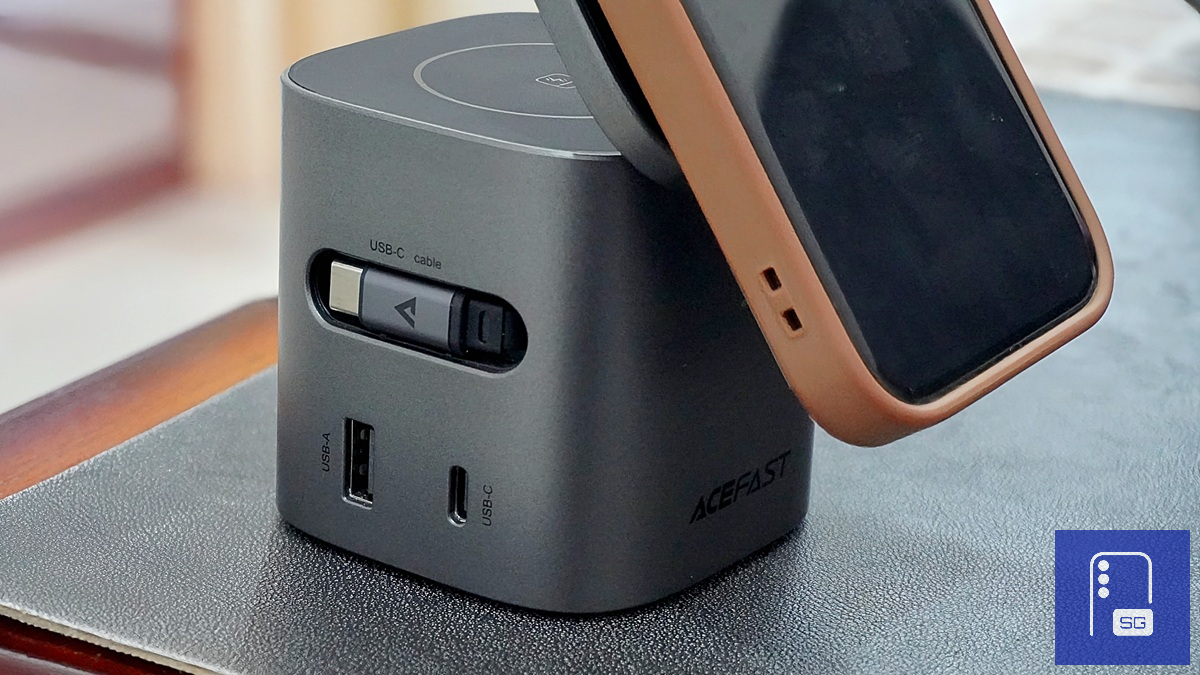
Acefast has done well to place the two USB-C and USB-A ports on the left side, alongside a built-in USB-C cable. This makes it easier to plug devices or cables, though not everyone might find it convenient. The front side has a charging and power indicator, while the right side houses a retractable wireless charging pad for watches. A gentle push pops out the hidden dock, and it goes back in as easily. The top wireless charging pad tilts up to 65 degrees, revealing another pad underneath it.
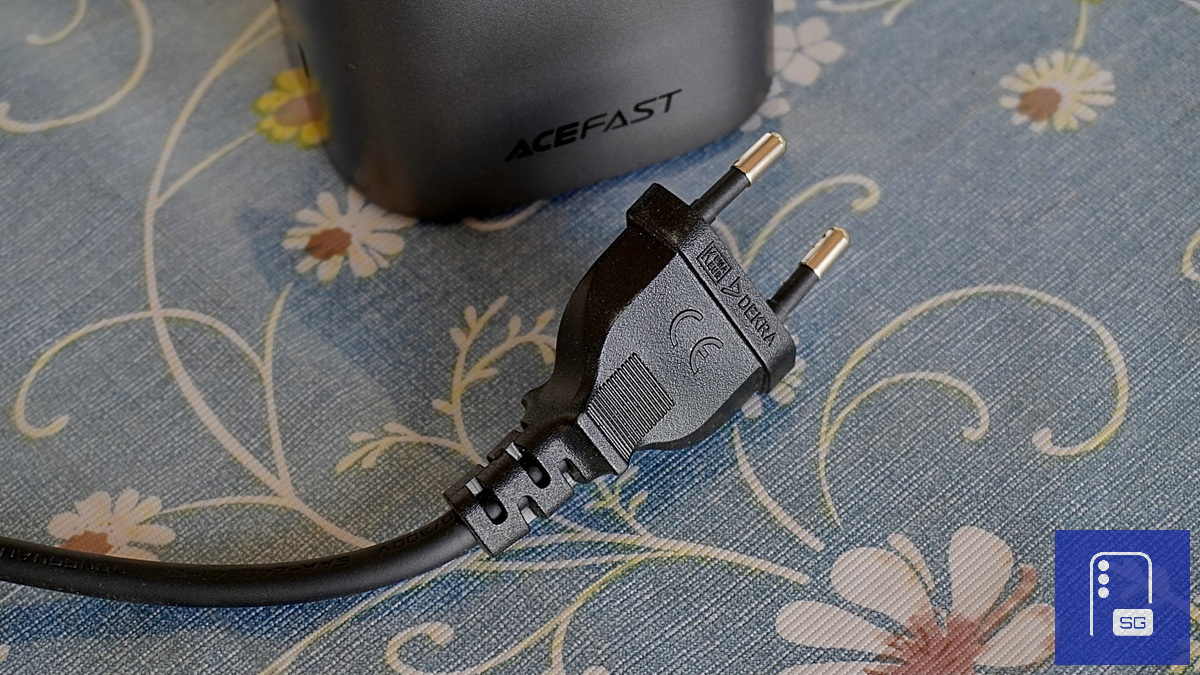
On the back, you get a detachable input power cord. Interestingly, the heavy-duty AC power cord feels overbuilt for an 80W charger; it’s thick, durable, and reassuringly solid. In contrast, the plug connectors themselves feel unexpectedly cheap and somewhat flimsy. It’s a strange mismatch for a product positioned as premium. That’s not the only design annoyance I noticed, though.
The retractable USB-C cable isn’t intuitive
This charger features a built-in USB-C cable. At 70cm, it’s not particularly long, but it’s practical for desk use or travel. You can extend only the length you need instead of pulling out the entire cable, which helps reduce clutter.
The bigger highlight is that the cable is retractable, allowing you to tuck it neatly back into the housing when not in use. However, there’s a catch. Acefast doesn’t clearly mention that you must pull the cable out to its full length before the retracting mechanism activates. It’s not very intuitive, and first-time users may find themselves confused when it refuses to rewind.
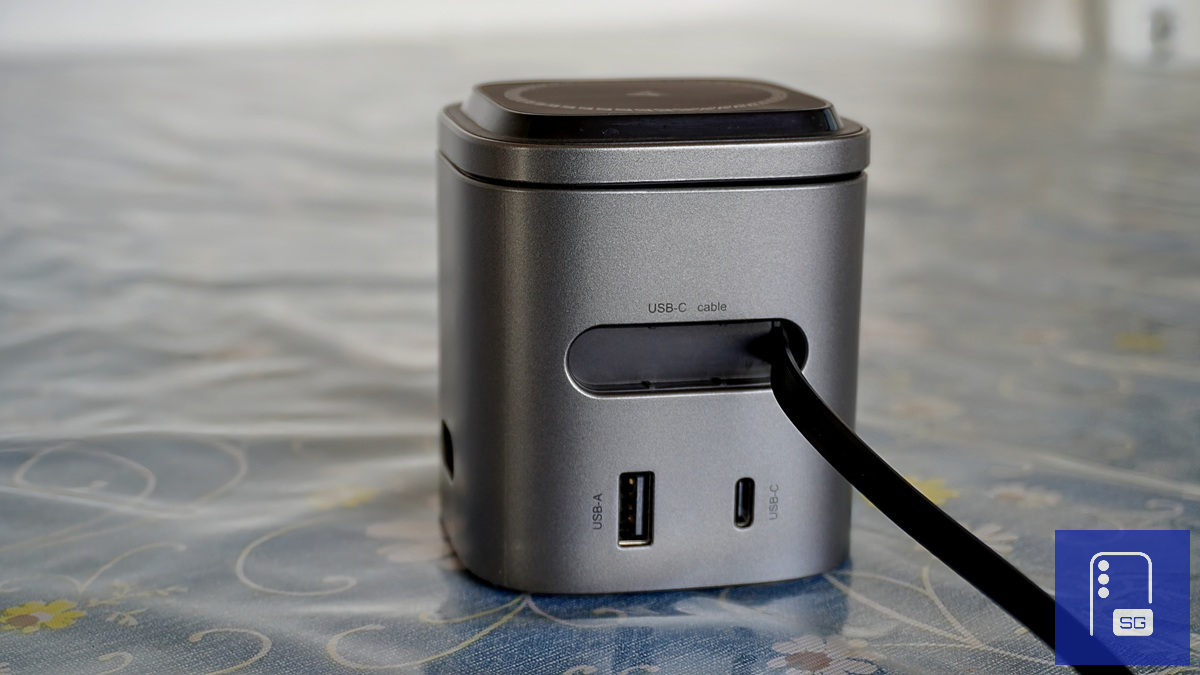
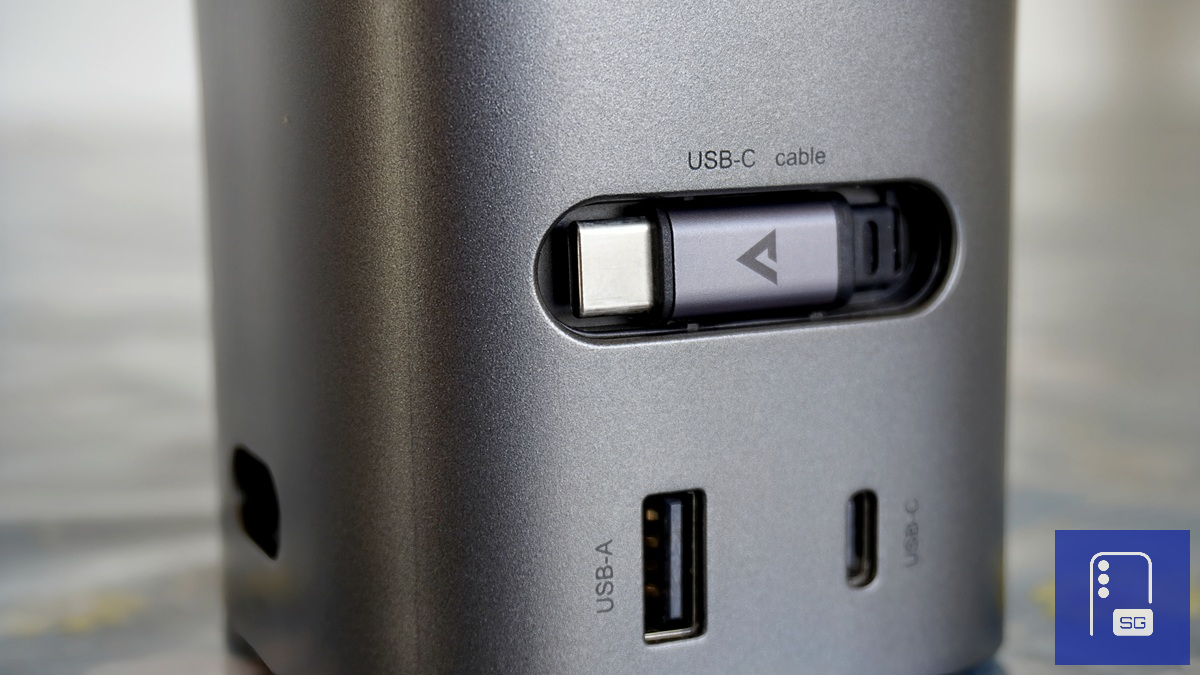
There are also some design concerns. When fully retracted, the cable sits inside the housing at a fairly sharp bend, which could potentially cause wear over time. Additionally, pulling the cable’s tip out of its housing requires a bit of effort, making the mechanism feel slightly stiff rather than smooth.
One wireless pad too many
The Acefast Z9 could have done with one fewer wireless charging pad. The retractable pad for watches is fine (only in terms of design — we’ll discuss its functionality later), but the two pads at the top are too many.
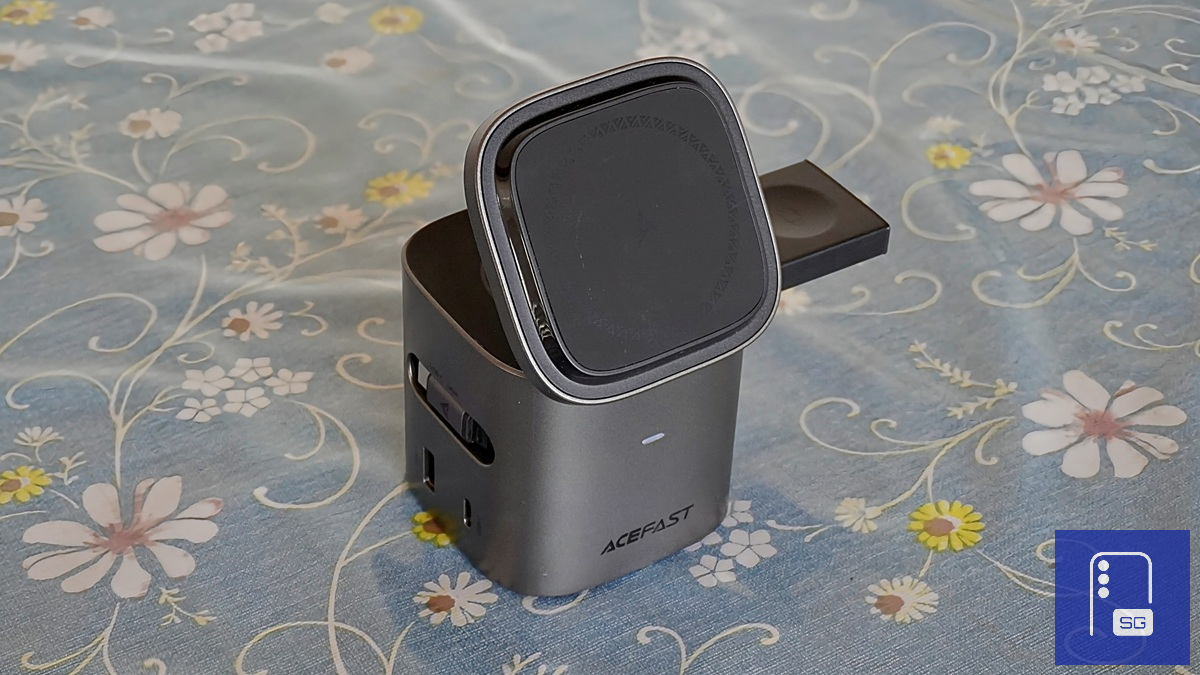
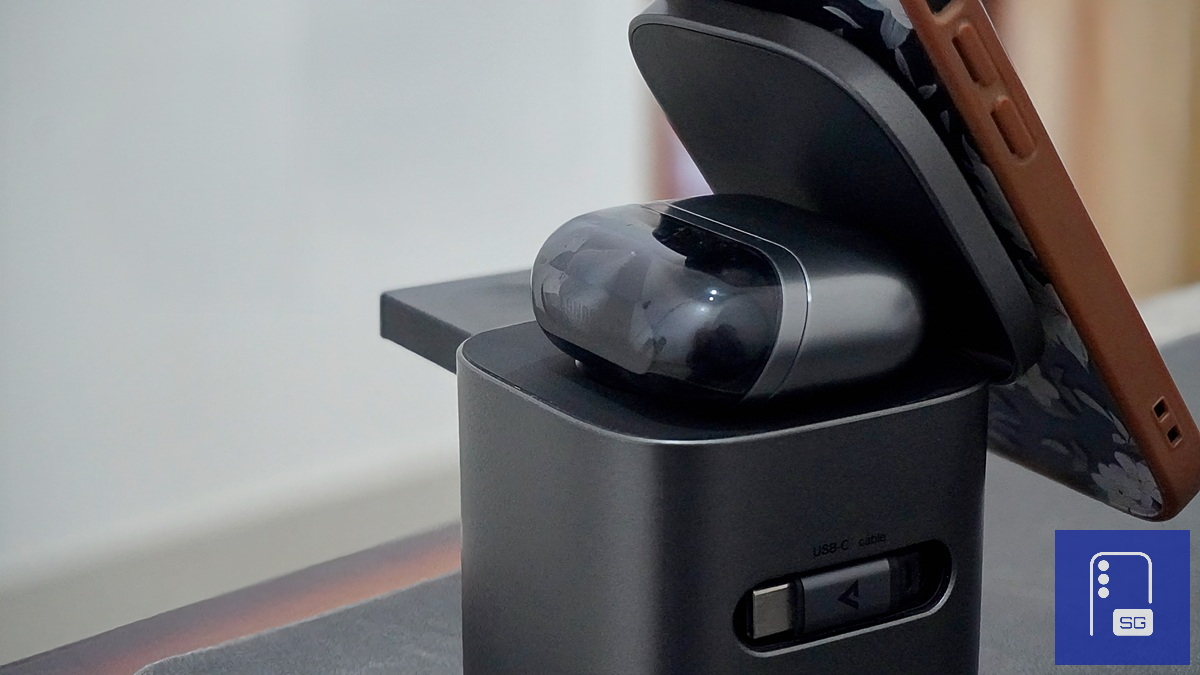
Instead of making the phone charger tilt forward, Acefast could have made it fold towards the back. The surface underneath could then act as a support to hold phones that lack built-in magnets. The charging pad meant for buds is, anyway, awkward to reach with the top surface tilted forward. More importantly, the phone charger can already charge your earbuds too.
Of course, one could argue that phones without built-in magnets can be charged wirelessly by keeping them flat on the top pad. But then, it defeats the whole purpose of having another wireless charging space under it. What’s the point of having two pads if you can only use one at a time? Acefast could have moved the buds charging pad into the retractable pad meant for watches because the watch charger is useless!
The watch charging pad is useless
Acefast markets the Z9 as a versatile wireless station with support for phone, smartwatch, and earbuds charging. Indeed, it offers:
- 15W wireless charging for phones
- 5W wireless earbuds pad
- Retractable watch charger (2.5W)
Unfortunately, the watch charger won’t charge the latest smartwatches. The pad isn’t big enough for my Galaxy Watch 8 Classic to sit on it, nor does it supply enough power to fuel my Samsung watch. It’s pretty much useless, and that’s why I feel the buds charging pad should have been moved here. This way, you could use both pads when needed.
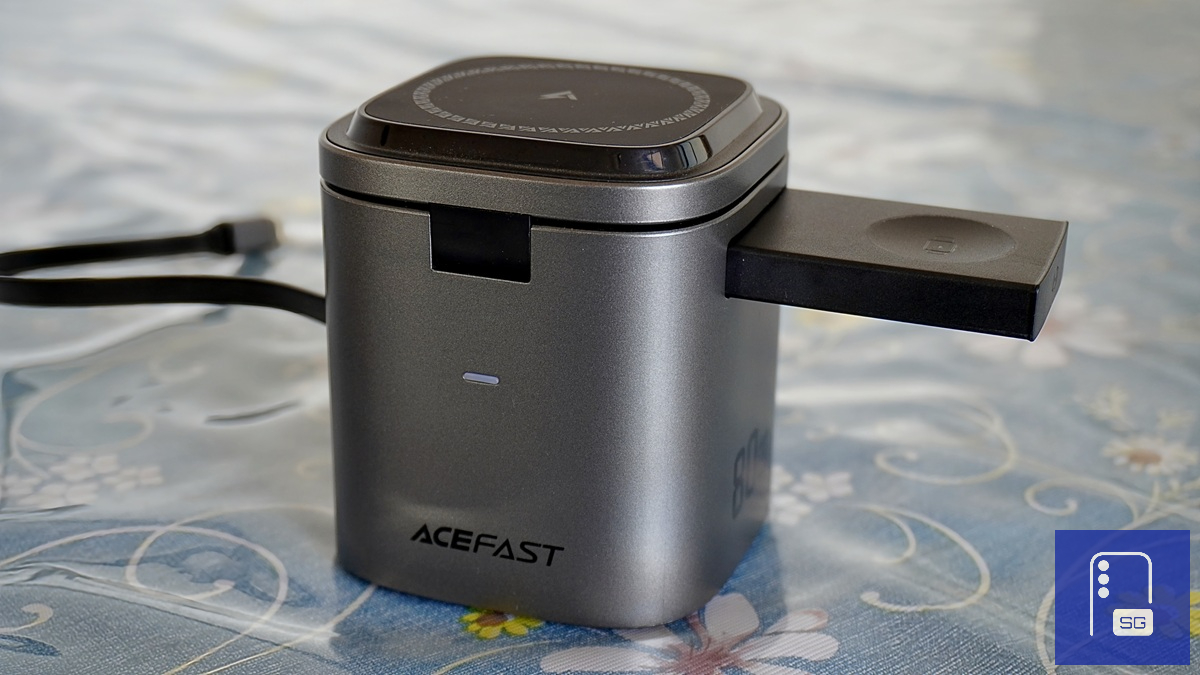
In fact, since the phone charger can already charge compatible wireless earbuds, dedicating the retractable pad for watches makes sense. However, Acefast should have designed it better. Perhaps offer faster speeds — at least 20W for the phone charger and 5W for the watch charger.
Wired charging performance of the Acefast Z9 isn’t quite perfect either
If the wireless charging performance of the Acefast Z9 leaves a lot to be desired, things don’t get much better on the wired side. This charger includes:
- A built-in retractable USB-C cable (up to 60W)
- One 65W USB-C port
- One 18W USB-A port
In theory, you could charge multiple devices simultaneously, including your laptop and phones. However, in practice, the combined power output is quite low, not enough to fast charge more than one device. If you combine the two USB-C ports, speeds drop to 45W + 20W. Any other combinations, and the speeds drop even lower.
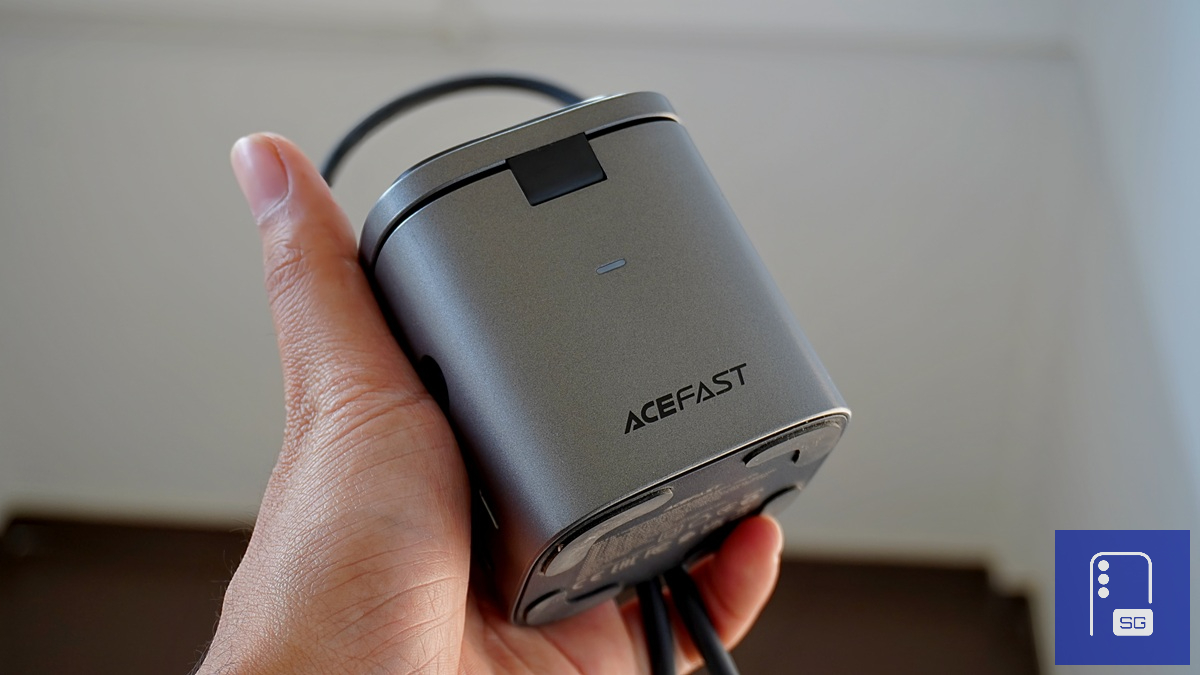
I am totally aware that the Acefast Z9’s maximum output power is 80W, so these speeds are pretty reasonable. However, the company markets this product as a multi-charger, one that’s supposed to charge all your devices. Yet, when the time comes, it doesn’t live up to expectations. That’s because it isn’t really built to be an all-in-one solution. With maximum output power capped at 80W, it’s unable to charge all of your devices at high speed.
Verdict
The Acefast Z9 looks like an all-in-one powerhouse but behaves more like a stylish convenience charger. It may be a decent pick for light multi-device users who don’t need maximum fast charging everywhere. However, power users charging multiple phones, laptops, tablets, and wearables at full speed should definitely skip it.

Written by
Sumit AdhikariSumit, a life-long Samsung user, is passionate about technology and has been professionally writing on tech since 2017. He’s a mathematics graduate by education and enjoys teaching basic mathematics tricks to school kids in his spare time. Sumit believes in artificial intelligence and dreams of a fully open, intelligent and connected world.

Follow us on Google Discover & set us as a preferred source in Google News
Share this Post
___________________________


New Blog Posts
___________________________
First Set of Pixel 11 Pro XL Renders Are Here
Pixel 11 Pro XL CAD renders show minimal design changes

Is Samsung Preparing One UI 8.5 Beta for Galaxy Z Fold 5 and Flip 5?
Samsung may launch a One UI 8.5 beta program for its 2023 foldables
Galaxy S25 One UI 8.5 Beta May Run Longer Than Expected
Galaxy S25 series’ One UI 8.5 beta may stretch to 10 rounds