Samsung Makes New OLED Investment to Meet Apple Demand
SammyGuru is reader-supported. We have affiliate and sponsored partnerships, so we may earn a commission when you buy through links on our site — at no extra cost to you. Learn more.
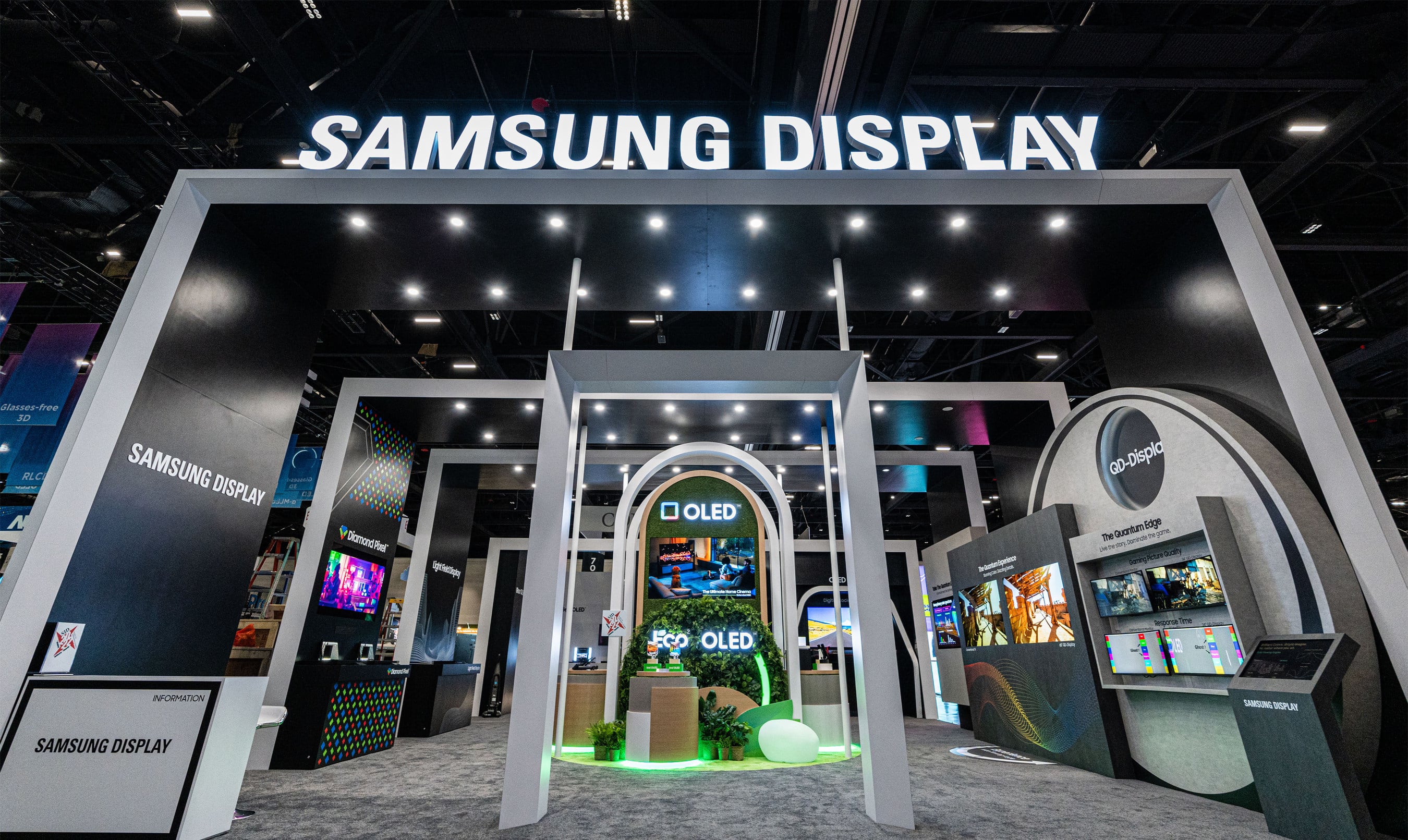
Samsung has increased its investment in OLED manufacturing to solidify its production capacity. The company wants to upgrade its small and medium-sized OLED production line in Asan, South Korea. This is mainly in response to panel demand from Apple, its key client.
Samsung aims to expand its Asan OLED production line
According to a report from ZDNet Korea, Samsung Display has recently begun supplementary investment in its Asan A4-2 production line. This line makes sixth-generation small- and medium-sized OLED panels, mainly used in smartphones. The total investment is reportedly between 300 billion and 400 billion won
Samsung has already started placing orders for new equipment. Last month, for system sealing work, Shinsung E&G signed a contract with Samsung C&T. The project will run until March next year. With the new investment, the company aims to improve its backplane technologies. This includes color filter-on-encapsulation (CoE) and next-generation low-temperature polycrystalline oxide (LTPO).
For the uninitiated, CoE technology replaces the conventional polarizer layer with a color filter. As such, displays become thinner and more power-efficient while improving color quality. On the other hand, LTPO combines low-temperature polycrystalline silicon with oxide materials. This helps reduce power leakage and improve device power efficiency.
Industry watchers say the supplementary investment will help Samsung to meet panel demand for upcoming Apple devices. The Cupertino giant may debut its first foldable iPhone in the second half of the year. The phone could use CoE-based OLED panels. Meanwhile, future iPhone models, including a next-generation slimmer iPhone Air, could also adopt these advanced display technologies.
Basically, Samsung Display aims to secure long-term supply agreements with Apple. Meanwhile, the company is gearing up to introduce new QD-OLED panels in 24-inch and 39-inch sizes next year. The former could be useful for compact, competitive gaming monitors, while the latter could play a key role in the ultrawide display segment.

Written by
Binay KonwarBinay Konwar started his blogging journey in 2014 and has since written plenty of tech articles. At present, he is working as a News Writer at SammyGuru, covering everything about Samsung. He holds a Master's degree in Mathematics, but his real passion lies in tech and writing. In his free time, he enjoys playing chess and watching movies.

Follow us on Google Discover & set us as a preferred source in Google News
Share this Post
___________________________


New Blog Posts
___________________________
First Set of Pixel 11 Pro XL Renders Are Here
Pixel 11 Pro XL CAD renders show minimal design changes
Is Samsung Preparing One UI 8.5 Beta for Galaxy Z Fold 5 and Flip 5?
Samsung may launch a One UI 8.5 beta program for its 2023 foldables
Galaxy S25 One UI 8.5 Beta May Run Longer Than Expected
Galaxy S25 series’ One UI 8.5 beta may stretch to 10 rounds