Samsung’s HBM4 to Power OpenAI Titan AI Chip
SammyGuru is reader-supported. We have affiliate and sponsored partnerships, so we may earn a commission when you buy through links on our site — at no extra cost to you. Learn more.
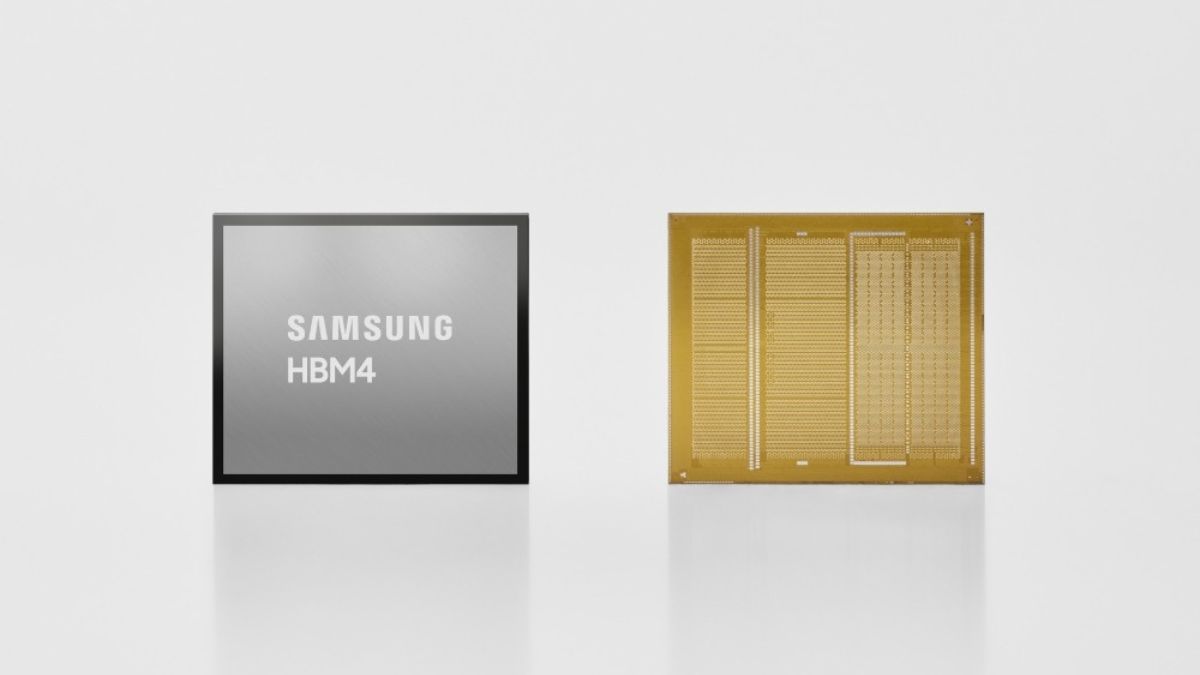
Samsung is seeing solid demand for its 6th-generation HBM4 memory chip. The company will reportedly exclusively supply HBM4 to OpenAI for the latter’s first-generation Titan AI chip. This comes after the firm confirmed supply agreements with Nvidia and AMD, suggesting it is on track to make a comeback in the HBM space.
OpenAI taps Samsung HBM4 for its first-gen AI chip
Samsung saw a slowdown in the HBM market, particularly during the HBM3E era. However, the company continued to put effort into making its next-gen HBM4 standout. This has finally paid off, achieving the industry’s highest consistent processing speed of 11.7 Gbps. As such, major global clients are leaning towards the Korean firm’s offering.
According to a report from Hankyung, Samsung will exclusively supply its 12-layer HBM4 to OpenAI in the second half of this year. The memory will power OpenAI’s first-generation Titan AI chip, delivering high-speed data transfer. OpenAI teamed up with Broadcom to develop the Titan chip, with plans to release it by late 2026. TSMC could begin production in the third quarter of this year.
“OpenAI is pouring significant effort into research and development (R&D) to successfully mass-produce its proprietary chip, Titan,” said an industry insider. “Samsung Electronics secured this supply deal by satisfying the demanding 6th-generation High Bandwidth Memory (HBM4) requirements set by OpenAI.”
Currently, OpenAI relies mainly on Nvidia’s AI chips, but now the company wants to build its own semiconductors for greater control. Industry watchers believe that future generations of Titan chips are also likely to use Samsung’s HBM solutions. This will further boost the Korean firm’s position in the cutting-edge AI memory market.
Samsung recently showcased its next-gen HBM4E at Nvidia GTC 2026. The chip offers data transfer rates of 16 Gbps and a bandwidth of 4 TB/s. Moreover, the company shared plans for future HBM5 and HBM5E. The former will use a 1c DRAM process and a 2nm foundry, while the latter will employ a 1d DRAM process and a 2nm foundry.

Written by
Binay KonwarBinay Konwar started his blogging journey in 2014 and has since written plenty of tech articles. At present, he is working as a News Writer at SammyGuru, covering everything about Samsung. He holds a Master's degree in Mathematics, but his real passion lies in tech and writing. In his free time, he enjoys playing chess and watching movies.

Follow us on Google Discover & set us as a preferred source in Google News
Share this Post
___________________________


New Blog Posts
___________________________
First Set of Pixel 11 Pro XL Renders Are Here
Pixel 11 Pro XL CAD renders show minimal design changes

Is Samsung Preparing One UI 8.5 Beta for Galaxy Z Fold 5 and Flip 5?
Samsung may launch a One UI 8.5 beta program for its 2023 foldables
Galaxy S25 One UI 8.5 Beta May Run Longer Than Expected
Galaxy S25 series’ One UI 8.5 beta may stretch to 10 rounds