Samsung Eyes AI Leadership with Record R&D and Facility Spend
SammyGuru is reader-supported. We have affiliate and sponsored partnerships, so we may earn a commission when you buy through links on our site — at no extra cost to you. Learn more.
Samsung has bold ambitions to gain a solid foothold in the AI semiconductor market. The company recently confirmed that it will spend over 110 trillion won (approximately $73.3 billion) this year on research and development (R&D) and facilities. This is the biggest yearly investment in its history, allowing it to solidify its leadership in next-gen AI chips.
Samsung bets big on AI ambitions with huge investments
Last year, Samsung spent 52.7 trillion won on facilities and 37.7 trillion won on R&D, totaling 90.4 trillion won. This year’s planned investment exceeds that figure by nearly 20 trillion won. It is also part of a broader five-year plan of 450 trillion won. “To secure leadership in the era of artificial intelligence (AI) semiconductors, we plan to execute a total investment of over 110 trillion won in facilities and R&D by 2026,” said the company.
The move comes as Samsung prepares for increasing global demand for AI semiconductors. The company reportedly plans to begin full operations at the Taylor semiconductor hub in the second half of next year. As such, it needs to complete pre-mass-production processes while expanding facilities as soon as possible. The Korean Foundry will reportedly initially make AI chips for Tesla at that plant using a 2nm process.
Samsung recently announced mass production of 6th-generation HBM4 memory chips, with shipments already begun for major clients. The company also signed an MOU with AMD to support the GPU maker’s next-gen AI accelerator. As orders grow, it will need massive infrastructure to fully meet customer demand. Moreover, the development of next-gen HBM4E and HBM5 is underway, which could further increase demand.
In addition to semiconductors, Samsung seeks mergers and acquisitions (M&A) in future growth sectors. This includes advanced robotics, MedTech, automotive electronics, and HVAC systems. As such, the company will be able to diversify its business while maintaining leadership in the AI semiconductor space.

Written by
Binay KonwarBinay Konwar started his blogging journey in 2014 and has since written plenty of tech articles. At present, he is working as a News Writer at SammyGuru, covering everything about Samsung. He holds a Master's degree in Mathematics, but his real passion lies in tech and writing. In his free time, he enjoys playing chess and watching movies.

Follow us on Google Discover & set us as a preferred source in Google News
Share this Post
___________________________


New Blog Posts
___________________________
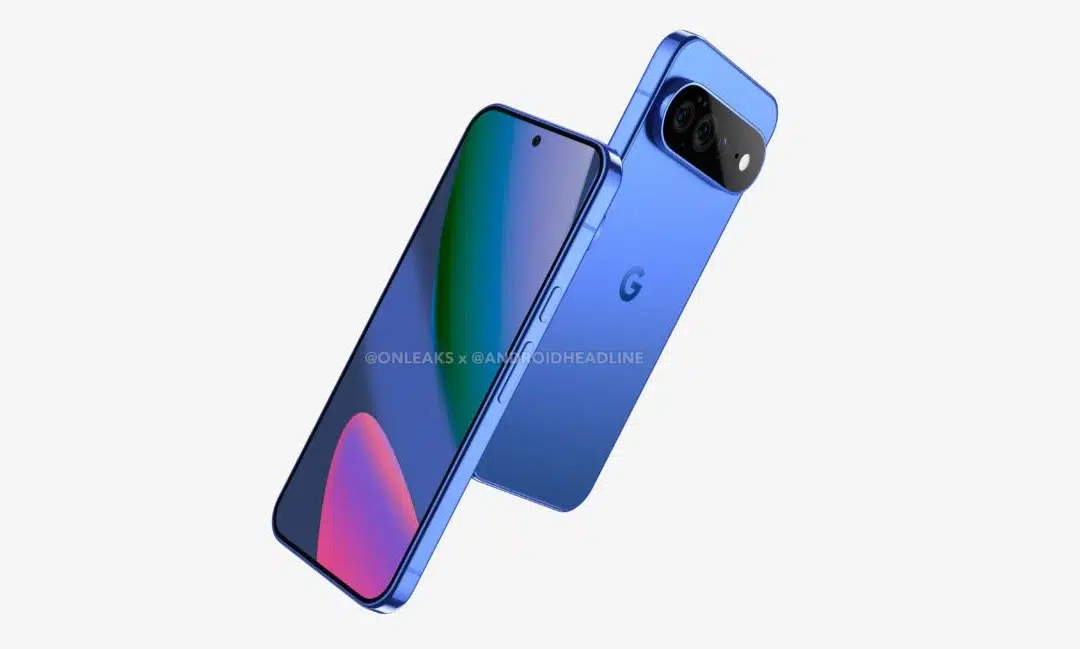
First Set of Pixel 11 Pro XL Renders Are Here
Pixel 11 Pro XL CAD renders show minimal design changes

Is Samsung Preparing One UI 8.5 Beta for Galaxy Z Fold 5 and Flip 5?
Samsung may launch a One UI 8.5 beta program for its 2023 foldables
Galaxy S25 One UI 8.5 Beta May Run Longer Than Expected
Galaxy S25 series’ One UI 8.5 beta may stretch to 10 rounds