Samsung’s Taylor Fab Approved for Limited Operations
SammyGuru is reader-supported. We have affiliate and sponsored partnerships, so we may earn a commission when you buy through links on our site — at no extra cost to you. Learn more.
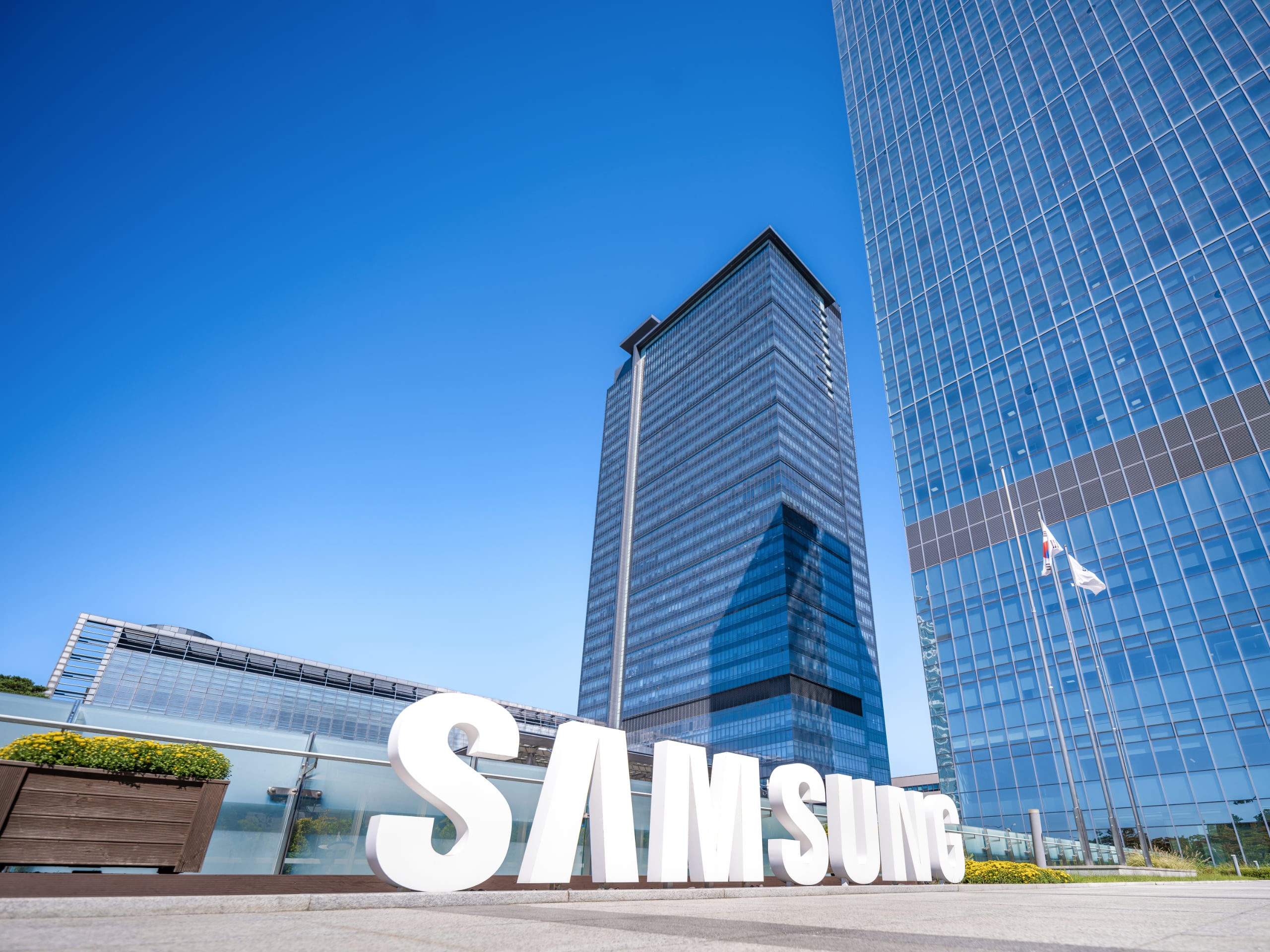
Samsung has not yet begun full operations at its new semiconductor plant in Taylor, Texas. However, the company needs to use parts of the facility to start preparing for chip production. It has now received temporary approval from the authorities to proceed, allowing limited operations while construction continues.
Samsung secures TCO for Taylor fab, prepares for advanced chip production
According to a report from Korea JoongAng Daily, Samsung has secured temporary certificates of occupancy (TCO) for its Taylor fab. It covers about 88,000 square feet of its first fabrication building (Fab 1). “Larger areas are anticipated to follow; however, the timing for those spaces has not yet been established,” said a Taylor city official.
The report also says Samsung may begin testing extreme ultraviolet (EUV) lithography tools at the plant as early as next month. This is a big step before a full production ramp-up of the 2nm process in the second half of the year. The fab’s construction is also progressing at a large scale, with around 7,000 workers on-site daily. As part of the agreement with local authorities, the company needs to complete 6 million square feet of floorspace by 2026 and another 1 million square feet in 2028.
The company has recently signed contracts with Device, a Korean semiconductor equipment and services provider. The contract (worth about $7.4 million) covers the supply of semiconductor cleaning equipment to Samsung’s US subsidiary. The supplier must deliver the equipment by October 26, likely for use at the Taylor fab.
Samsung reportedly plans to make Tesla’s AI5 chips at the Taylor fab, with pilot production beginning sometime this month and mass production in 2027. The facility will also make next-generation AI6 chips in the future. While Tesla is the first client for the plant, the company is also seeking more US customers, including Google and AMD.
Increasing prices from rival TSMC, along with Taiwan’s restrictions (N-2 policy) on its most advanced 2nm node, have made the Korean firm an attractive alternative for American technology firms looking for cutting-edge chips domestically. If successful, Samsung’s foundry division could become profitable this year after several years of losses.

Written by
Binay KonwarBinay Konwar started his blogging journey in 2014 and has since written plenty of tech articles. At present, he is working as a News Writer at SammyGuru, covering everything about Samsung. He holds a Master's degree in Mathematics, but his real passion lies in tech and writing. In his free time, he enjoys playing chess and watching movies.

Follow us on Google Discover & set us as a preferred source in Google News
Share this Post
___________________________


New Blog Posts
___________________________
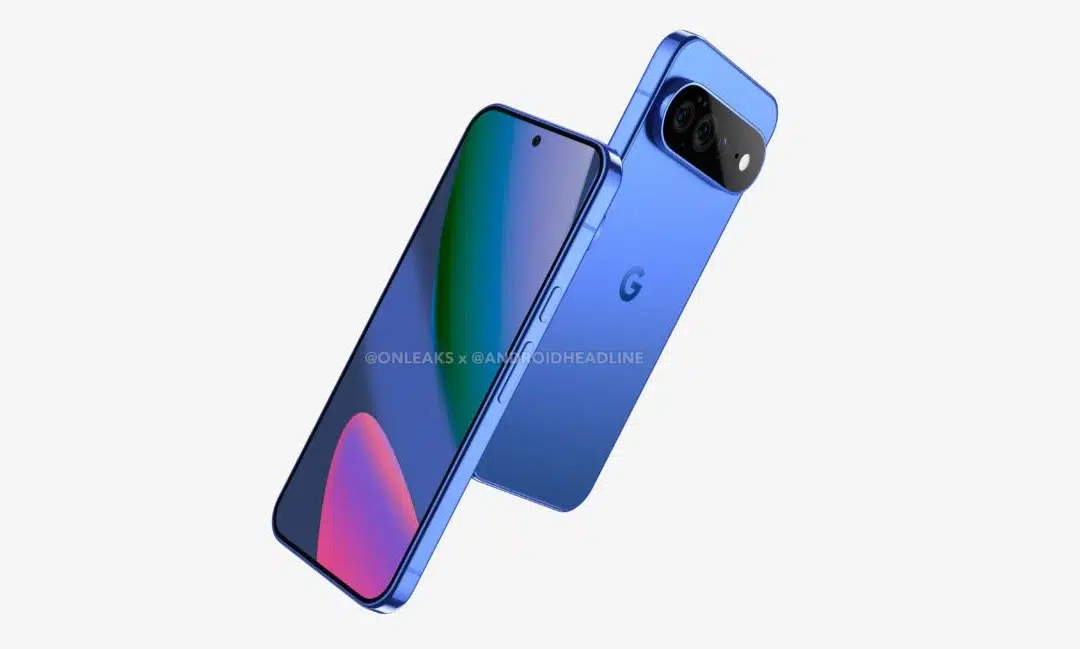
First Set of Pixel 11 Pro XL Renders Are Here
Pixel 11 Pro XL CAD renders show minimal design changes

Is Samsung Preparing One UI 8.5 Beta for Galaxy Z Fold 5 and Flip 5?
Samsung may launch a One UI 8.5 beta program for its 2023 foldables
Galaxy S25 One UI 8.5 Beta May Run Longer Than Expected
Galaxy S25 series’ One UI 8.5 beta may stretch to 10 rounds