Samsung to Begin Tesla AI5 Pilot Production Under Elon Musk’s Watch
SammyGuru is reader-supported. We have affiliate and sponsored partnerships, so we may earn a commission when you buy through links on our site — at no extra cost to you. Learn more.
Samsung is gearing up to begin pilot production of Tesla’s AI5 chip this month. Tesla CEO Elon Musk will reportedly personally oversee the key progress. This shows the project’s importance to Tesla’s AI ambitions while highlighting the close partnership between the two companies.
Samsung has a solid role in Tesla’s AI chip supply chain
Last year, Samsung secured a $16.5 billion deal with Tesla to manufacture the AI6 chip, with the contract running until 2033. As for Tesla’s AI5 chip, the carmaker has allocated production to both Samsung and TSMC. Previously, it was expected to be produced fully by TSMC, but limited capacity and higher costs opened the door for the Korean foundry. Samsung will use its advanced 2nm process to make both chips.
According to Dealsite, Samsung will start wafer input for the AI5 chip’s pilot production as early as this month at its Taylor Foundry fab. Pilot production is an important step before entering full-scale manufacturing. Initial sample chips may be available within three to four months, while mass production could begin in 2027. Meanwhile, the AI6 chip could go into full-scale production in 2028, with pilot production beginning in 2027.
However, Elon Musk has also been directly involved in the project. “He even personally participates in working-level tech meetings (related to AI5 and AI6 chip work) at Samsung Electronics’ foundry division,” said a semiconductor industry official. “I heard that he actively checks the progress of each meeting and offers opinions.” This is likely because these chips could play a key role in Tesla’s next-gen products, including self-driving cars, robotaxis, and humanoid robots.
Industry analysts expect Samsung may not make immediate profits, as AI5 volume is expected to be small. However, if the chip’s performance meets expectations, the korean fim could expand this into a $100 billion business. Meanwhile. Samsung recently confirmed that its 2nm process is on track to achieve yield and performance targets.

Written by
Binay KonwarBinay Konwar started his blogging journey in 2014 and has since written plenty of tech articles. At present, he is working as a News Writer at SammyGuru, covering everything about Samsung. He holds a Master's degree in Mathematics, but his real passion lies in tech and writing. In his free time, he enjoys playing chess and watching movies.

Follow us on Google Discover & set us as a preferred source in Google News
Share this Post
___________________________


New Blog Posts
___________________________
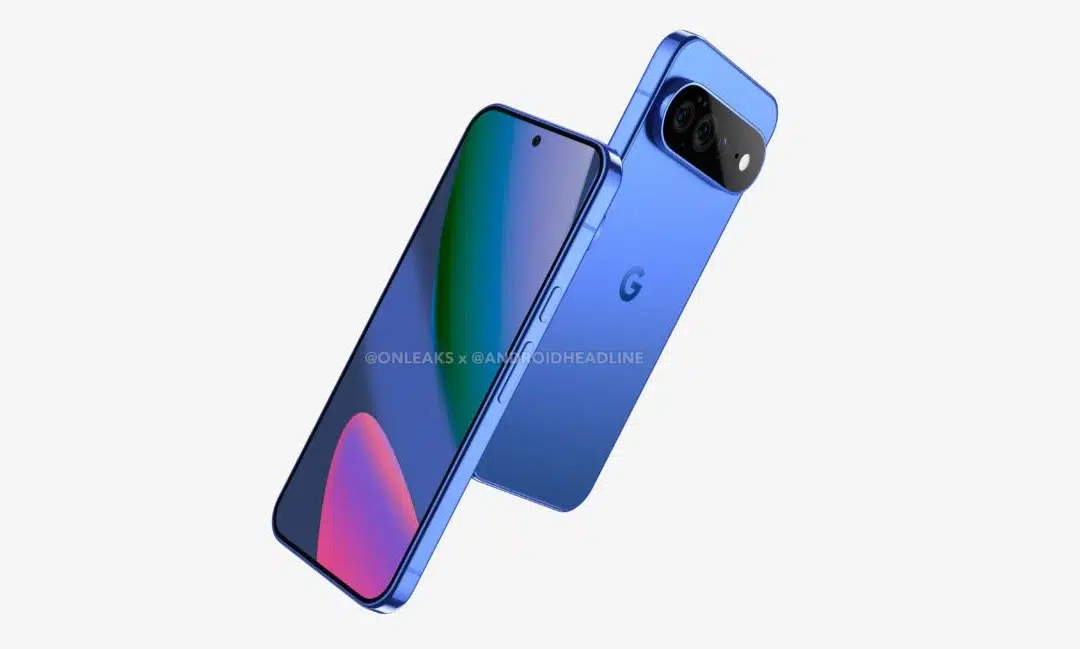
First Set of Pixel 11 Pro XL Renders Are Here
Pixel 11 Pro XL CAD renders show minimal design changes

Is Samsung Preparing One UI 8.5 Beta for Galaxy Z Fold 5 and Flip 5?
Samsung may launch a One UI 8.5 beta program for its 2023 foldables
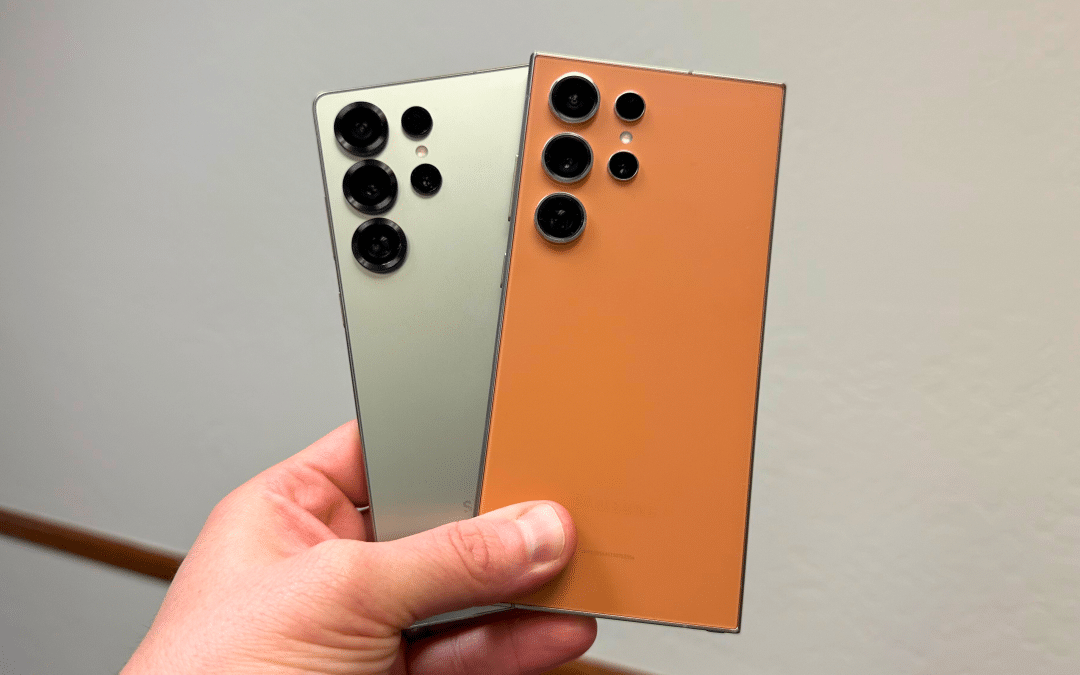
Galaxy S25 One UI 8.5 Beta May Run Longer Than Expected
Galaxy S25 series’ One UI 8.5 beta may stretch to 10 rounds