Samsung Promised Galaxy Home and Ballie — We Got Neither and That’s Not Cool
SammyGuru is reader-supported. We have affiliate and sponsored partnerships, so we may earn a commission when you buy through links on our site — at no extra cost to you. Learn more.
Samsung is one of the most innovative tech companies out there. The Korean firm makes everything. Smartphones, TVs, home appliances, wearables, laptops, monitors — you name it. Its parent group spans semiconductors, batteries, displays, pharmaceuticals, and even defense equipment. This is not a scrappy startup testing ideas in public. It’s one of the largest conglomerates on the planet.
Yet, at times, Samsung makes decisions that leave you asking, “Why?” Chief among them is the habit of prematurely announcing products that are nowhere near ready for release. The company has done this more than once, unveiling futuristic devices with great fanfare, only to quietly abandon them later.
Samsung never launched the Galaxy Home
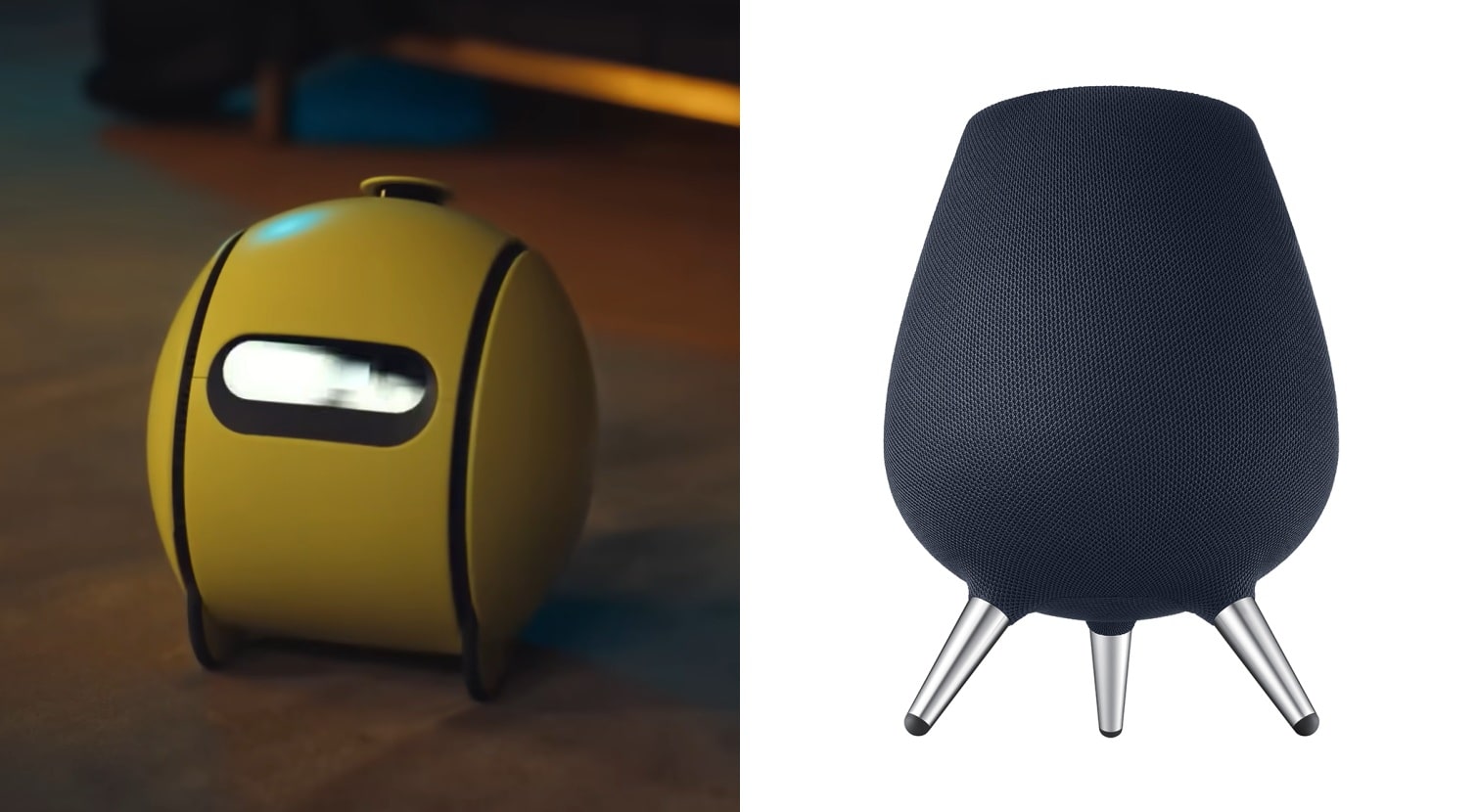
Back in 2018, Samsung unveiled Galaxy Home, a premium smart speaker powered by Bixby and positioned as a direct rival to Apple’s Siri-powered HomePod. However, it never hit the market. The company kept promising it was coming, but those turned out to be fake promises. While a mini version saw a limited release in Korea, it wasn’t the product Samsung showcased originally.
Eventually, as Google Assistant (and later Gemini) took center stage, Samsung stopped talking about Galaxy Home altogether. To be fair to the company, Bixby could never become smart or powerful enough to be the brain of a smart speaker Samsung imagined. It still isn’t, that’s why Gemini and Perplexity are taking over Galaxy phones (even Apple is supercharging Siri with Gemini).
Considering this, Galaxy Home would be easier to shrug off if it were an isolated case. But it isn’t. Samsung did it all over again with Ballie.
Ballie has disappeared, and Samsung is silent
Ballie is a rolling home robot unveiled by Samsung at CES 2020. At the time, the company framed it as a future consumer product. It was a smart, autonomous robot designed to follow users around the home, assist with tasks, and integrate deeply with the smart home ecosystem.
Then Ballie disappeared.
For years, there was silence, to the point where it genuinely felt like Samsung would never talk about it again, like how it ghosted after announcing Galaxy Home. But the company showed hope at CES 2024, where Ballie made a dramatic return. This time, it looked far more complete: redesigned hardware, improved capabilities, and even a built-in projector. Samsung once again promised more details “soon” and even committed to launching Ballie in South Korea and the US by summer 2025.
That never happened.
There was no launch date, no pricing, no preorder window, nothing. And when CES 2026 rolled around, Ballie was nowhere to be seen. Not even a token appearance. It vanished from the show floor as if it had never existed at all.
When questions followed, Samsung quietly changed its language, referring to Ballie as an “active innovation platform.” That phrasing matters. It’s corporate shorthand for this is no longer a real product, despite years of public messaging suggesting otherwise.
Why announce a product that’s still in the early stages of development
Both of these products followed a similar pattern:
- Big reveal on a global stage
- Repeated assurances that a consumer launch is coming
- Long silence
- Quiet disappearance
Of course, we understand that tech companies regularly experiment with different ideas — some fail, others succeed. Most recently, Samsung tried its hand at an ultra-slim flagship, the Galaxy S25 Edge, and failed to generate the hype it expected. The Flip FE experiment seemingly didn’t work either.
On the other hand, Samsung gave us foldables. The journey was anything but smooth at the start. The first Galaxy Fold had a turbulent market debut, plagued by delays, durability issues, and unclear usage guidance that quickly soured early impressions. But Samsung didn’t walk away. Instead, it doubled down, refining the Fold lineup year after year with meaningful improvements. Now, with the Galaxy Z Fold 8 on the horizon, the company appears ready to push its foldable vision to an entirely new level.
Samsung even launched its first tri-fold last year, and its first XR headset too. If either of these fails and we don’t see a second-gen model, it’s fine. There are already rumors that Samsung won’t launch a new Edge or Flip FE this year. Prototypes, concept devices, and shelved ideas are a normal part of innovation.
The problem isn’t that Ballie or Galaxy Home didn’t work out. The problem is how Samsung talks about these products. The company repeatedly presented them as near-final devices, yet they were ongoing experiments. How come it didn’t realize that these products weren’t commercially viable? If it did all along, why hype them so much so early?
At some point, this stops being charming or ambitious and starts looking careless. Samsung’s influence in the consumer electronics industry is enormous. When it commits to launching a product, people listen. Quietly burying hyped products without clear communication sends a message that the company’s public promises are optional.
While Samsung should keep experimenting, it needs to be more honest about what’s a concept, what’s a prototype, and what’s an actual product, like how it presented foldable and rollable phone concepts at CES 2013. People knew those were not actual products debuting in a year or two. Otherwise, the next time it unveils something fresh on a global stage, people will remember Ballie. And Galaxy Home. And they’ll hesitate before believing the hype.

Written by
Sumit AdhikariSumit, a life-long Samsung user, is passionate about technology and has been professionally writing on tech since 2017. He’s a mathematics graduate by education and enjoys teaching basic mathematics tricks to school kids in his spare time. Sumit believes in artificial intelligence and dreams of a fully open, intelligent and connected world.

Follow us on Google Discover & set us as a preferred source in Google News
Share this Post
___________________________


New Blog Posts
___________________________
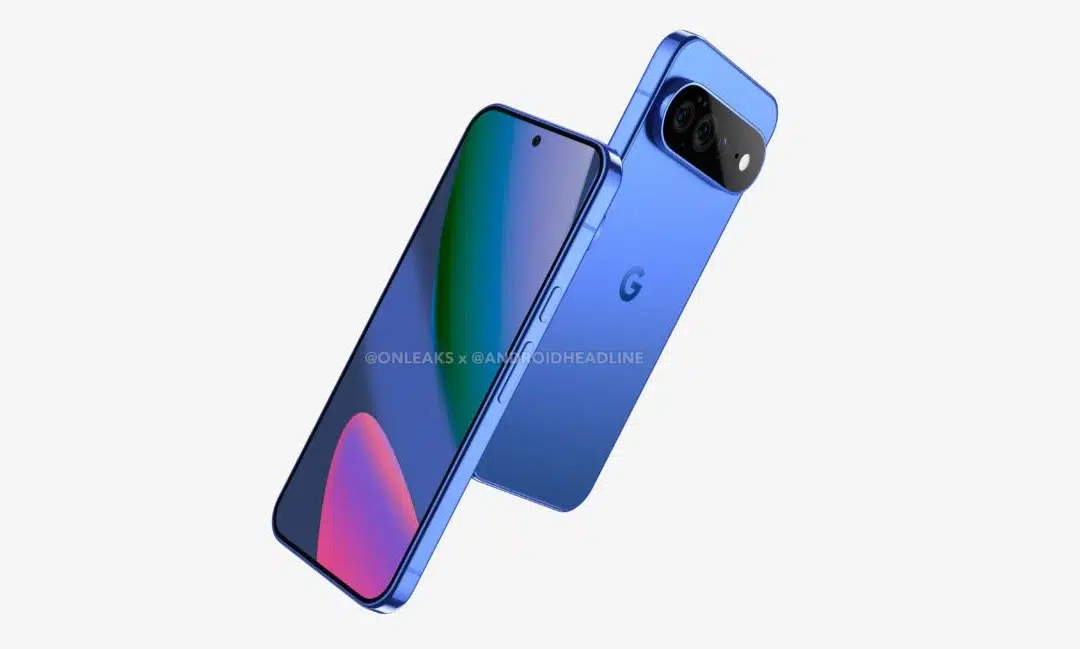
First Set of Pixel 11 Pro XL Renders Are Here
Pixel 11 Pro XL CAD renders show minimal design changes
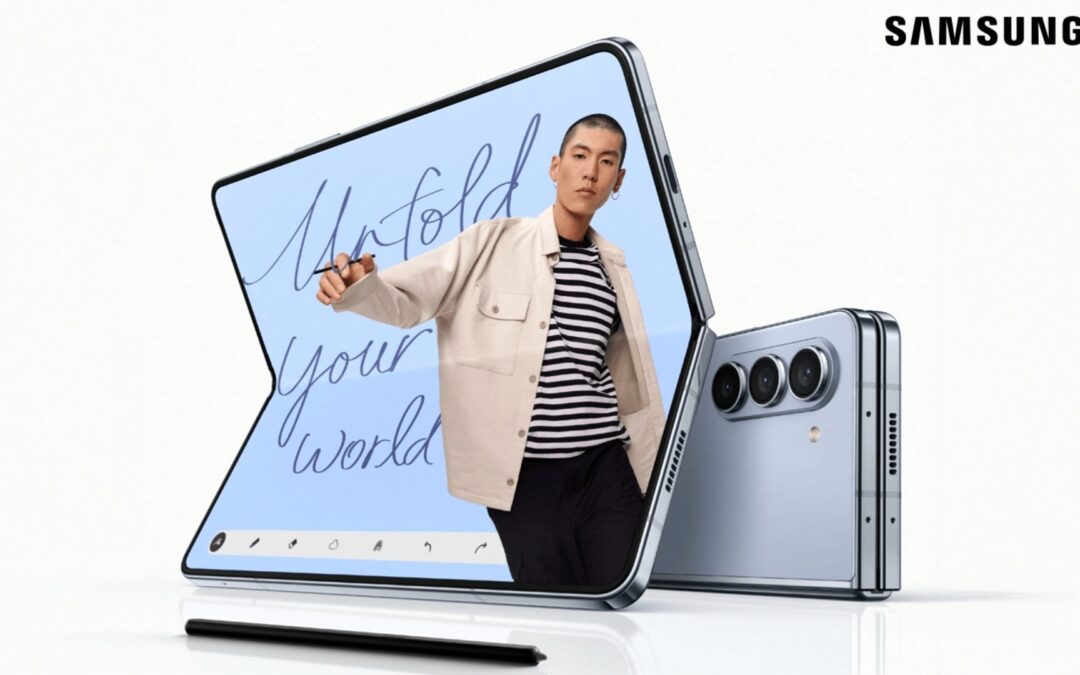
Is Samsung Preparing One UI 8.5 Beta for Galaxy Z Fold 5 and Flip 5?
Samsung may launch a One UI 8.5 beta program for its 2023 foldables
Galaxy S25 One UI 8.5 Beta May Run Longer Than Expected
Galaxy S25 series’ One UI 8.5 beta may stretch to 10 rounds