After Introducing HPB with Exynos 2600, Samsung Develops new Cooling Tech
SammyGuru is reader-supported. We have affiliate and sponsored partnerships, so we may earn a commission when you buy through links on our site — at no extra cost to you. Learn more.
Samsung is taking a major step to improve heat dissipation performance in its future Exynos mobile chips. The company is reportedly developing a new packaging structure called SbS (side-by-side). This structure could allow the chip to run even cooler while maintaining higher performance during demanding tasks such as gaming.
Samsung’s SbS design could improve heat management in Exynos chips
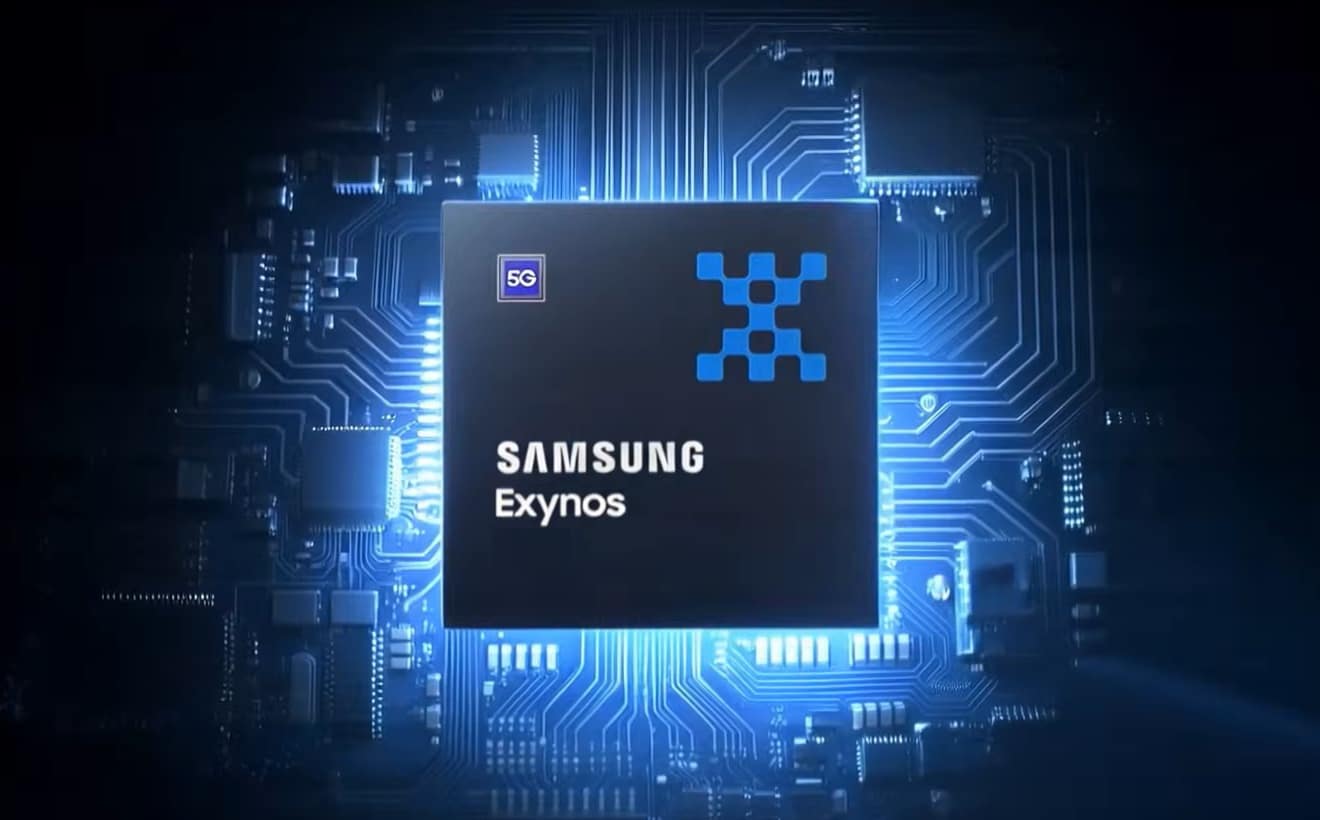
The latest Exynos 2600 chip, expected to power some Galaxy S26 models, already introduces an internal heat pass block (HPB). The HPB is a small copper-based heatsink integrated into the chip’s packaging. It reduces heat by roughly 30% compared to the previous Exynos product.
Now, Samsung aims to take cooling even further thanks to the SbS structure, according to a report from ZDNET Korea. Unlike the traditional vertical design where the DRAM (memory) sits on top of the AP (application processor), the SbS layout places them side by side (horizontally). There will be a thin HPB on top that helps cool both the processor and memory simultaneously.
The benefit of this layout is that it reduces pressure on package thickness while letting manufacturers make the AP and DRAM thicker. Thicker chips release heat sufficiently, use power more efficiently, and shorten the signal path between the AP and DRAM. Samsung also plans to unite the SbS layout with cutting-edge 3D packaging in the future. In 3D packaging, chips are directly connected using copper instead of traditional vertical bumps.
However, the SbS design increases the overall size of the chip package. Devices using these chips may need slightly more space, which could be a concern for slim devices. However, industry experts say that if manufacturers can adjust the package, the SbS design could be adopted sooner than expected. Samsung calls this design FOWLP-SbS. For the uninitiated, FOWLP moves the chip’s input/output terminals outside and mounts it on a silicon wafer.

Written by
Binay KonwarBinay Konwar started his blogging journey in 2014 and has since written plenty of tech articles. At present, he is working as a News Writer at SammyGuru, covering everything about Samsung. He holds a Master's degree in Mathematics, but his real passion lies in tech and writing. In his free time, he enjoys playing chess and watching movies.

Follow us on Google Discover & set us as a preferred source in Google News
Share this Post
___________________________


New Blog Posts
___________________________

First Set of Pixel 11 Pro XL Renders Are Here
Pixel 11 Pro XL CAD renders show minimal design changes

Is Samsung Preparing One UI 8.5 Beta for Galaxy Z Fold 5 and Flip 5?
Samsung may launch a One UI 8.5 beta program for its 2023 foldables
Galaxy S25 One UI 8.5 Beta May Run Longer Than Expected
Galaxy S25 series’ One UI 8.5 beta may stretch to 10 rounds