
Samsung Investigates Alleged Misconduct in DRAM and NAND Sales
SammyGuru is reader-supported. We have affiliate and sponsored partnerships, so we may earn a commission when you buy through links on our site — at no extra cost to you. Learn more.
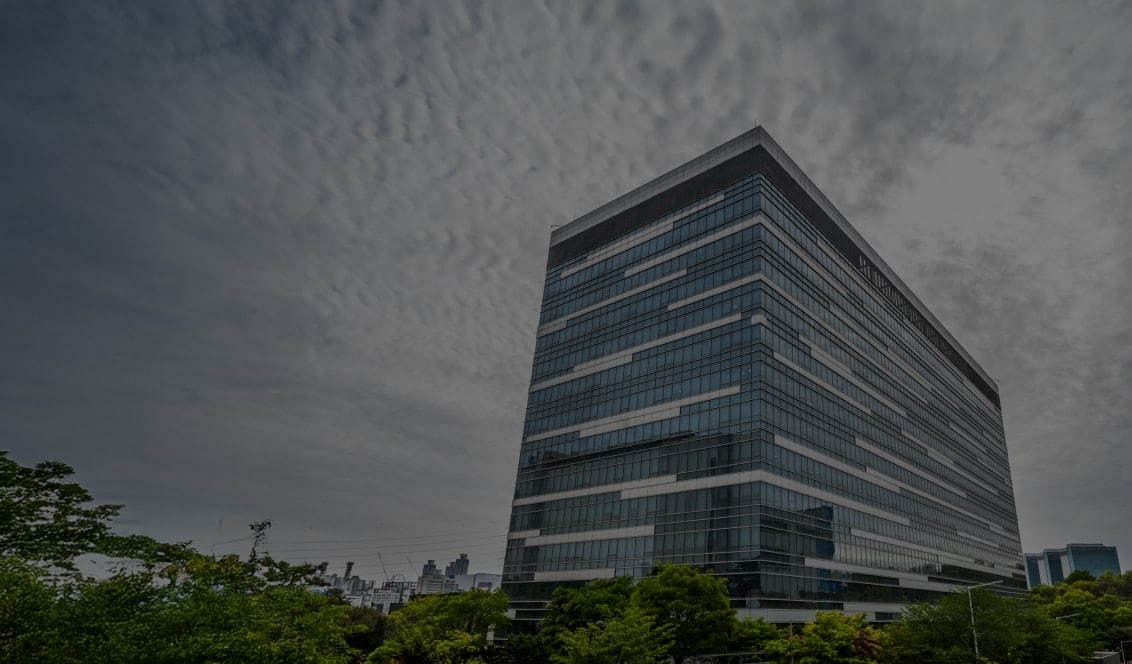
Samsung is reportedly looking into possible misconduct related to its memory business, as the global shortage of DRAM and NAND continues to worsen. According to a new report from DigiTimes, the company has launched an internal investigation. Allegations emerged that some employees may have accepted improper payments to influence memory shipments.
Samsung launches internal probe amid global DRAM and NAND shortage chaos
The report claims that Samsung has been questioning staff in Taiwan, especially those involved in sales and marketing. The report says the interviews have already led to internal personnel changes. Samsung has not confirmed specific details but told the publication that the review is part of its normal procedures and declined to comment further.
Memory has become one of the most constrained resources in the tech industry. AI data centers are taking up a large share of global DRAM and NAND output, especially higher-margin products such as HBM. This leaves limited supply for PC, laptop, and consumer hardware makers, many of whom are struggling to secure long-term allocations.
With supply so tight, competition for memory has reportedly reached extreme levels. Large tech companies are securing long-term agreements, while smaller players are left with fewer options. DigiTimes suggests that some distributors may have tried to gain an advantage by offering kickbacks, which may have triggered Samsung’s investigation.
The shortage is already having clear effects across the market. PC makers are raising prices, SSD costs are increasing, and even older platforms are becoming more expensive as buyers stick with DDR4 systems to avoid costly DDR5 upgrades. There have also been reports of increased fraud, including stolen shipments and returned orders that contain older memory modules.
Furthermore, this cycle looks different from past memory shortages. Samsung and other manufacturers have been cautious about expanding capacity since the pandemic, and the gradual phase-out of older memory standards has further tightened supply. Analysts now believe these conditions could last into 2026 or even 2027.

Written by
Abhinav AnandAbhinav Anand is the News Editor at SammyGuru and a technology journalist based in New Delhi. Before joining SammyGuru, he contributed to numerous outlets, including Android Headlines, ExtremeTech, The Mac Observer, Financial Express, Economic Times, iGeeksBlog, KnowTechie, PhonesWiki, SlashGear, and more. You can reach him at abhinav@sammyguru.com.

Follow us on Google Discover & set us as a preferred source in Google News
Share this Post
___________________________


New Blog Posts
___________________________

First Set of Pixel 11 Pro XL Renders Are Here
Pixel 11 Pro XL CAD renders show minimal design changes

Is Samsung Preparing One UI 8.5 Beta for Galaxy Z Fold 5 and Flip 5?
Samsung may launch a One UI 8.5 beta program for its 2023 foldables
Galaxy S25 One UI 8.5 Beta May Run Longer Than Expected
Galaxy S25 series’ One UI 8.5 beta may stretch to 10 rounds