Samsung Bets on HPB to Fix Exynos 2600’s Thermal Throttling
SammyGuru is reader-supported. We have affiliate and sponsored partnerships, so we may earn a commission when you buy through links on our site — at no extra cost to you. Learn more.
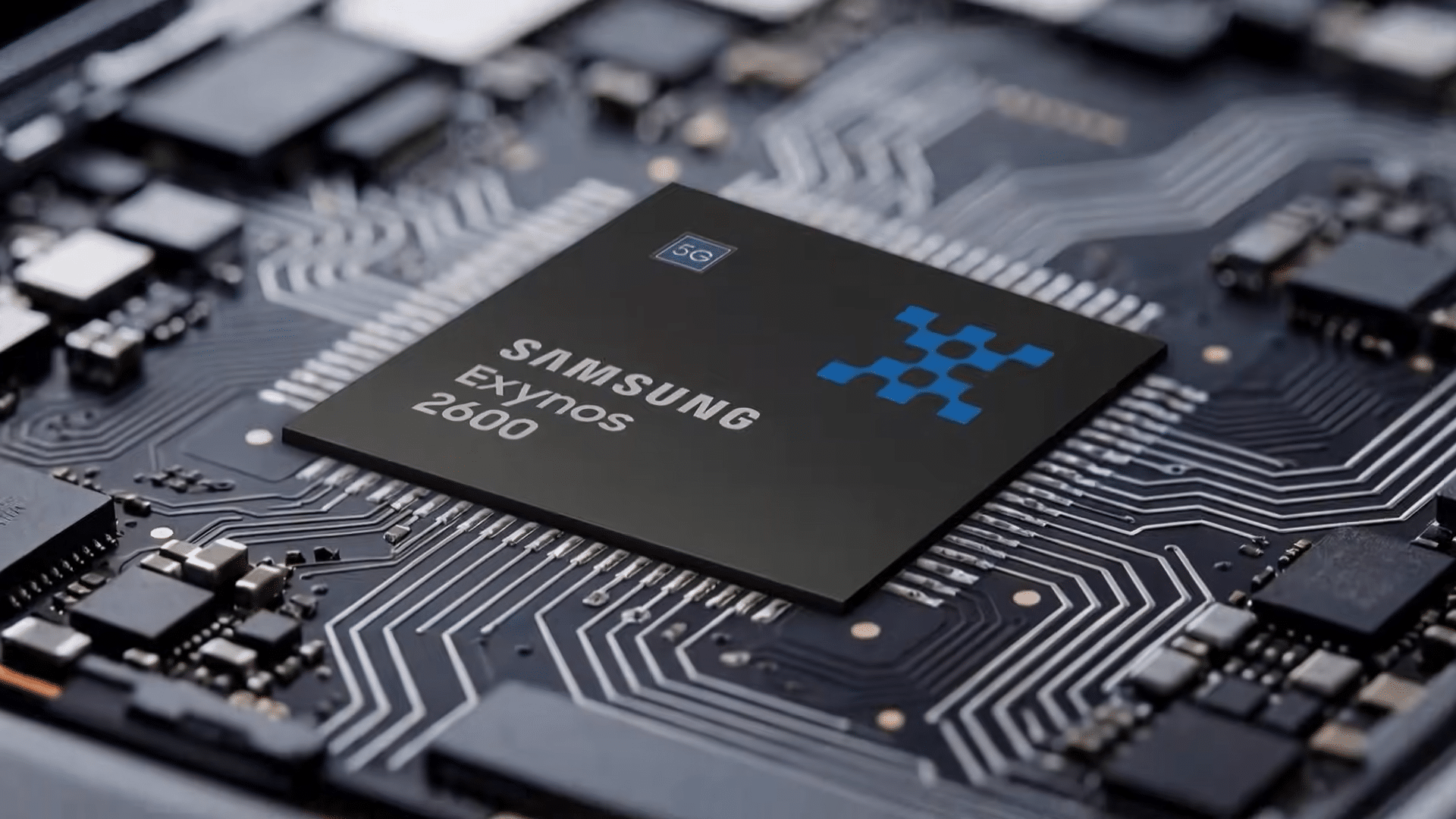
Samsung has officially introduced the Exynos 2600, a 2nm chip expected to power the Galaxy S26 series. While the chip brings notable gains in performance and efficiency, its most important innovation lies in thermal design. At the center of this shift is Heat Path Block (HPB), an industry-first packaging technology for mobile SoCs. Let’s take a closer look at it.
Exynos 2600’s HPB technology aims to fix thermal throttling
HPB is a copper-based component integrated directly on top of the processor die, acting like a built-in heat sink within the chip package itself. In earlier Exynos designs, DRAM was stacked on top of the processor, limiting direct access to hot spots and making efficient cooling difficult. With the Exynos 2600, Samsung has relocated the DRAM to the side, freeing up space for the HPB to make full contact with the hottest areas of the chip.
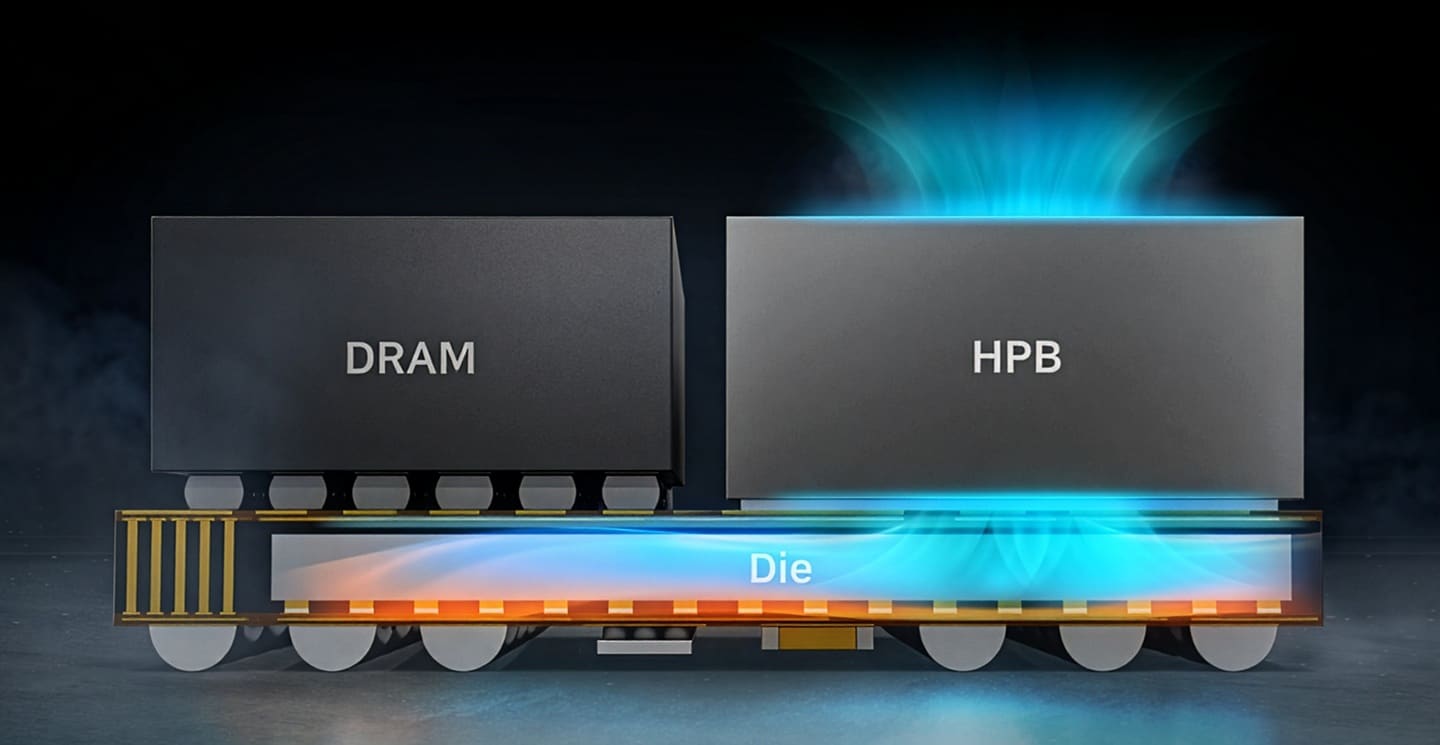
This allows heat to escape more quickly through conduction, significantly improving thermal efficiency. Samsung claims this design can reduce temperatures by up to 30% compared to previous Exynos chips. In addition, the company is using a High-kappa Epoxy Molding Compound (High-k EMC) with superior thermal properties, further optimizing the heat-transfer path.
This approach borrows concepts commonly used in PCs and servers, adapting them for the extremely limited space inside modern smartphones. According to Samsung, the new solution lowers overall thermal resistance by as much as 16% compared to the Exynos 2500. In practice, this reduces thermal throttling, helping maintain stable performance under heavy loads.
Given the history of throttling concerns around Exynos chips, HPB could be a turning point. In fact, reports suggest Samsung may even offer this technology to other chipmakers, including Apple, underlining its potential in smartphone processors. If real-world results match Samsung’s claims, the Exynos 2600 could finally put overheating worries to rest. We’ll know for sure once the Galaxy S26 series launches.

Written by
Sumit AdhikariSumit, a life-long Samsung user, is passionate about technology and has been professionally writing on tech since 2017. He’s a mathematics graduate by education and enjoys teaching basic mathematics tricks to school kids in his spare time. Sumit believes in artificial intelligence and dreams of a fully open, intelligent and connected world.

Follow us on Google Discover & set us as a preferred source in Google News
Share this Post
___________________________


New Blog Posts
___________________________

First Set of Pixel 11 Pro XL Renders Are Here
Pixel 11 Pro XL CAD renders show minimal design changes

Is Samsung Preparing One UI 8.5 Beta for Galaxy Z Fold 5 and Flip 5?
Samsung may launch a One UI 8.5 beta program for its 2023 foldables
Galaxy S25 One UI 8.5 Beta May Run Longer Than Expected
Galaxy S25 series’ One UI 8.5 beta may stretch to 10 rounds