Samsung Wins $1.4 Billion US Contract to Supply LFP Batteries
SammyGuru is reader-supported. We have affiliate and sponsored partnerships, so we may earn a commission when you buy through links on our site — at no extra cost to you. Learn more.
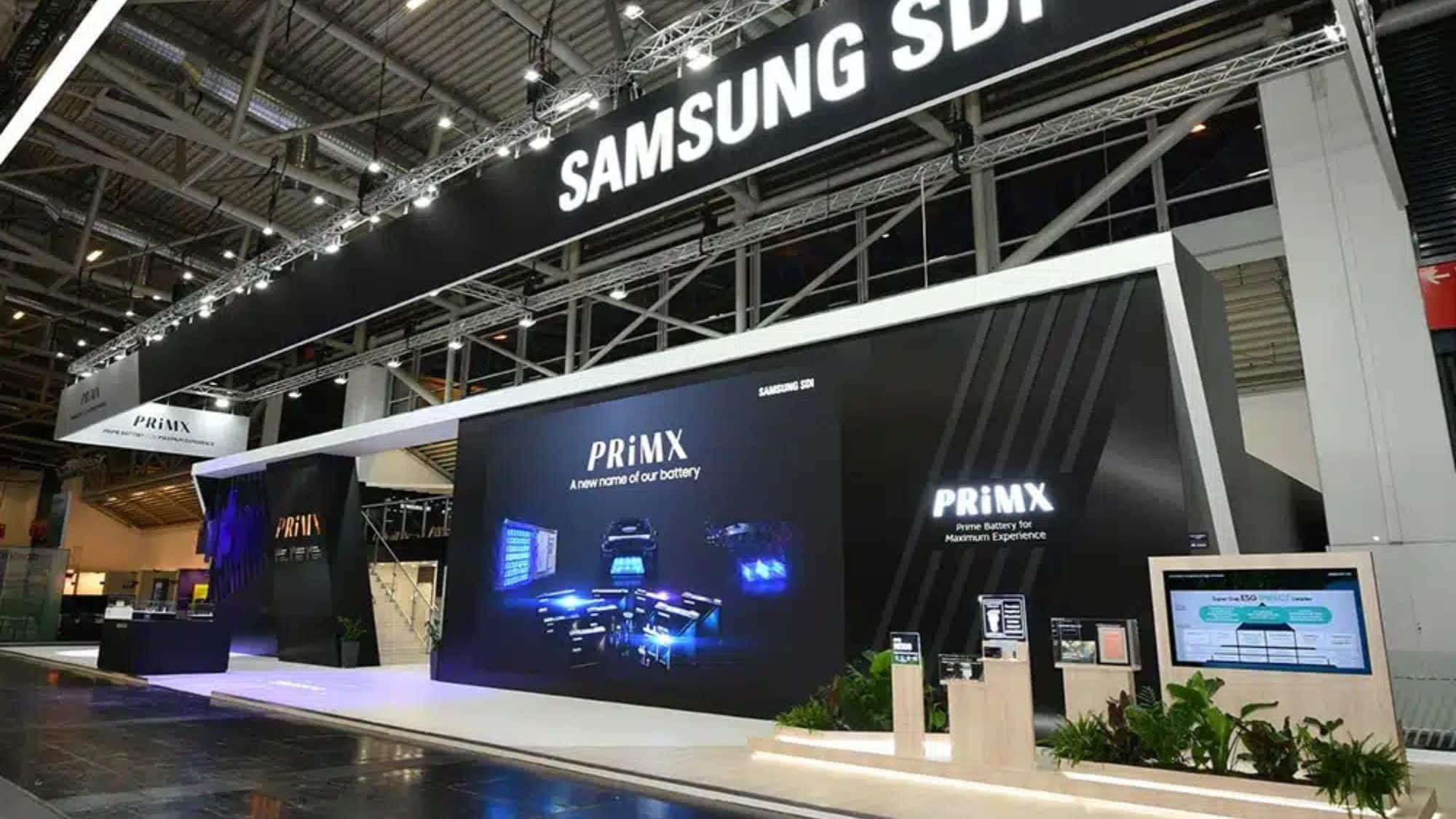
Samsung SDI has recently secured a major deal worth KRW 2 trillion (approx. $1.4 billion) with a US customer. The company will provide lithium iron phosphate (LFP) battery cells for energy storage systems (ESS) across North America. The firm will start supplying the batteries in 2027 for three years, with all production done at its US factory.
Samsung SDI’s LFP batteries to power US energy storage systems
Samsung SDI has traditionally focused on high-energy nickel-cobalt-aluminum (NCA) batteries for electric vehicles. Now the company aims to meet the growing ESS demand in the US in the era of renewables and AI. It has been converting some of its electric vehicle battery production lines into ESS battery lines at its factory.
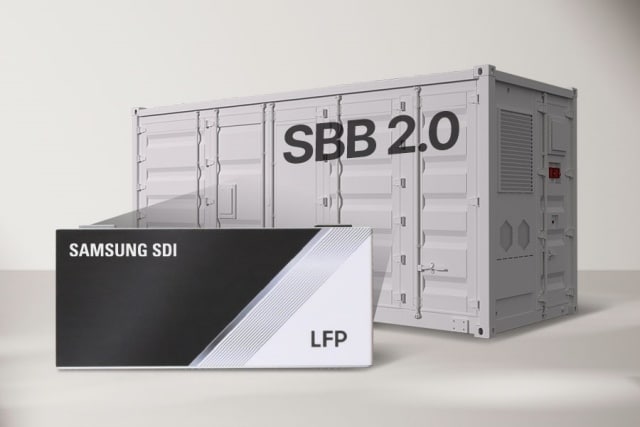
Samsung SDI will pack its prismatic LFP batteries into Samsung Battery Box (SBB) 2.0, a 20-foot container. This solution makes it easy to transport and install at renewable energy sites. The system also features No Thermal Propagation (No TP) technology to prevent heat from spreading between cells.
Industry experts say that prismatic LFP cells are increasingly preferred over pouch-type batteries. Thanks to their aluminum casing, these cells are more resistant to external shocks, making them ideal for an energy storage system. Samsung SDI is the only non-Chinese company making prismatic LFP cells in the US. The company is currently in talks with several global customers to secure a deal for both LFP and NCA batteries.
“It is a significant opportunity for Samsung SDI to expand into the U.S. ESS market with the first long-term contract for LFP supply,” said a Samsung SDI official. “Through the first supply of SBB 2.0 for ESS installation in the U.S., Samsung SDI will start providing U.S. customers with ESS batteries to meet their needs not only for high-performance but also for enhanced safety and price competitiveness, enabling them to stabilize power supplies in the era of renewable energy and AI.”

Written by
Binay KonwarBinay Konwar started his blogging journey in 2014 and has since written plenty of tech articles. At present, he is working as a News Writer at SammyGuru, covering everything about Samsung. He holds a Master's degree in Mathematics, but his real passion lies in tech and writing. In his free time, he enjoys playing chess and watching movies.

Follow us on Google Discover & set us as a preferred source in Google News
Share this Post
___________________________


New Blog Posts
___________________________
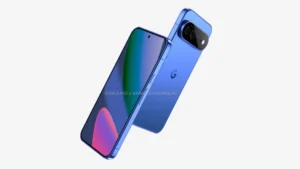
First Set of Pixel 11 Pro XL Renders Are Here
Pixel 11 Pro XL CAD renders show minimal design changes
Is Samsung Preparing One UI 8.5 Beta for Galaxy Z Fold 5 and Flip 5?
Samsung may launch a One UI 8.5 beta program for its 2023 foldables
Galaxy S25 One UI 8.5 Beta May Run Longer Than Expected
Galaxy S25 series’ One UI 8.5 beta may stretch to 10 rounds