This New SIM Binding Rule Will Change How WhatsApp, Telegram Work
SammyGuru is reader-supported. We have affiliate and sponsored partnerships, so we may earn a commission when you buy through links on our site — at no extra cost to you. Learn more.
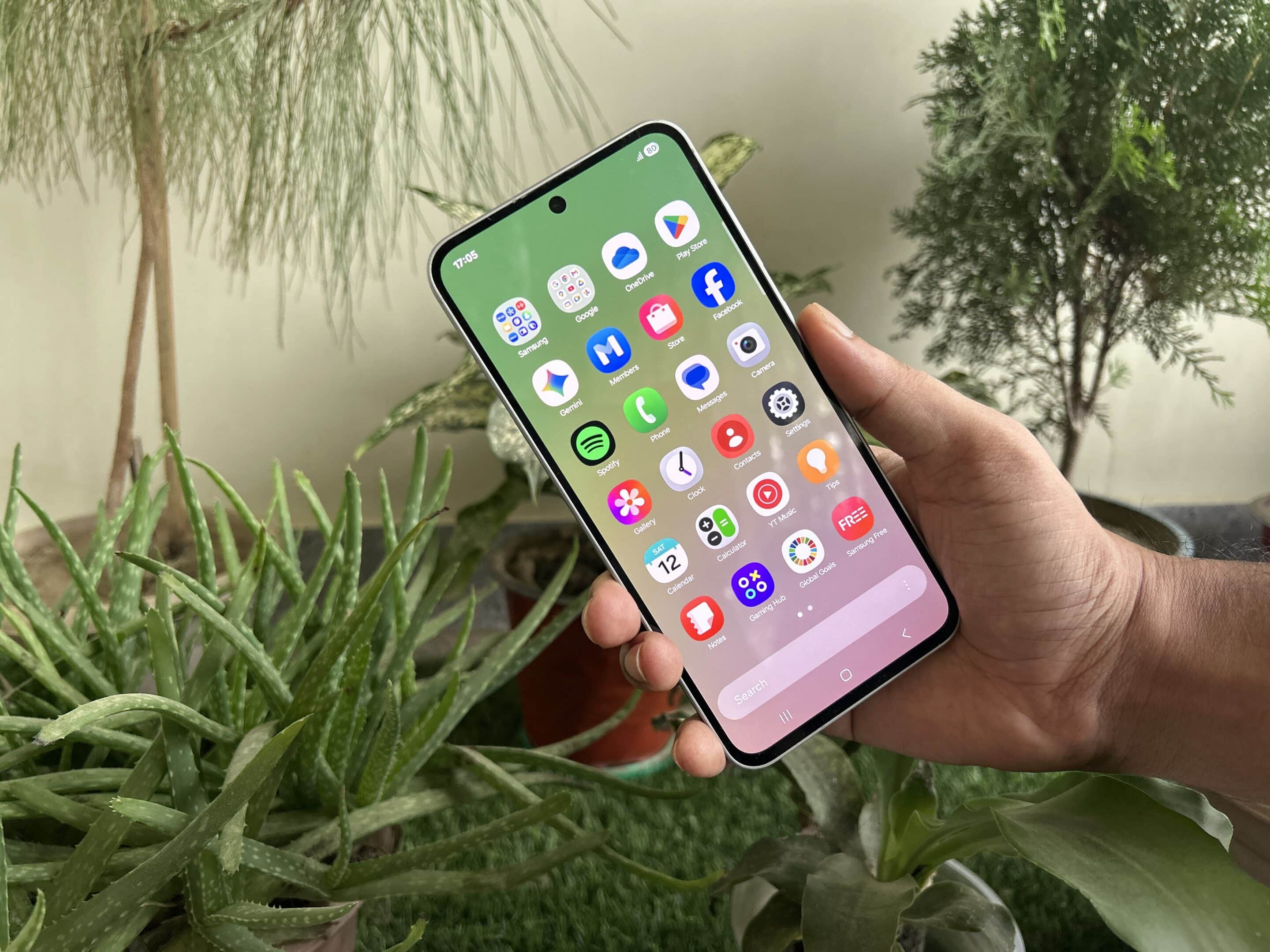
A directive by the Department of Telecommunications (DoT) in India could affect platforms like WhatsApp, Telegram, and others. It aims to improve security against cyber fraud, but it also creates a major issue for people who use these messaging services across multiple devices linked to the same number. Here is everything you need to know.
India’s new SIM binding rule will change the way you use WhatsApp, Telegram, and other apps
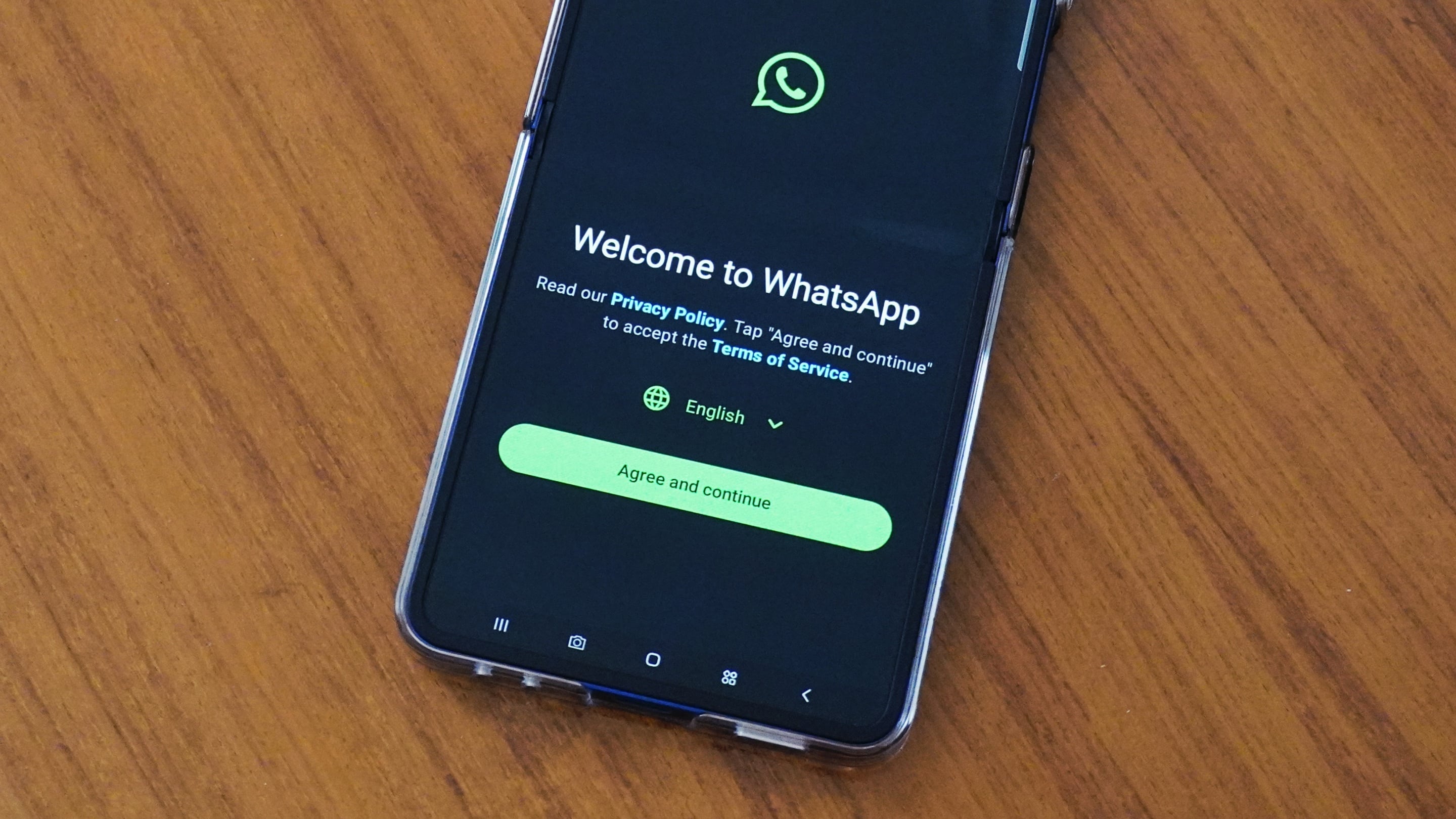
The Government of India has introduced a new rule that mandates SIM card verification for accessing these services. This move will significantly impact the way popular communication apps like WhatsApp, Telegram, Signal, Arattai, Snapchat, ShareChat, and others work. Technically, this requirement is known as SIM binding.
Under the new rule, these platforms must ensure that within the next 90 days, their apps will work only when the correct SIM card is inserted in the device. If the SIM card is removed, users will no longer be able to access the service. Web-based platforms like WhatsApp Web will also need to automatically log out users every six hours. To continue using the service, users will have to scan the QR code again and re-authenticate.
Currently, once you log in, apps continue to work even if you remove the SIM card, as long as the device is connected to Wi-Fi. But with the new policy, you must keep the SIM inserted at all times to use the service. This will also affect people traveling internationally. Right now, you can insert a new SIM abroad and still use WhatsApp linked to your Indian number. Going forward, that won’t be possible.
Impact on multi-device users
This change will especially impact users who rely on the same number across multiple devices. For example, people who use separate personal and office phones, or those who use messaging apps on both a phone and a tablet. With SIM binding, secondary devices will need re-verification every six hours, which will be very inconvenient.
The Centre is drawing powers from the Telecommunication Cybersecurity Amendment Rules, 2025, notified in October. These rules introduce the concept of Telecommunication Identifier User Entity (TIUE) under telecom regulations, aimed at improving cybersecurity and reducing fraud, especially scams carried out by scammers outside India using Indian numbers.
While many agree that this move will strengthen identity verification and tracking, others have raised concerns. Scammers often buy SIM cards using fake or borrowed documents, use them briefly, and discard them. So SIM binding may not fully solve the root problem, while causing daily inconvenience for regular users.
Regardless, this is a major change and will significantly affect the way Indians use messaging apps. Using the same number across multiple devices for long durations will become difficult. If you want to continue using these services on a different device, you will need to re-link the number and authenticate every six hours. More clarity should come once platforms begin implementing the directive in the coming weeks.

Written by
Mohammed KhatriOne UI lover, actively tracking One UI 8.5 builds, global firmware rollouts, certifications, and Geekbench scores.

Follow us on Google Discover & set us as a preferred source in Google News
Share this Post
___________________________


New Blog Posts
___________________________

First Set of Pixel 11 Pro XL Renders Are Here
Pixel 11 Pro XL CAD renders show minimal design changes

Is Samsung Preparing One UI 8.5 Beta for Galaxy Z Fold 5 and Flip 5?
Samsung may launch a One UI 8.5 beta program for its 2023 foldables
Galaxy S25 One UI 8.5 Beta May Run Longer Than Expected
Galaxy S25 series’ One UI 8.5 beta may stretch to 10 rounds