This Might Explain How Google Found a Way Past AirDrop’s Walled Garden
SammyGuru is reader-supported. We have affiliate and sponsored partnerships, so we may earn a commission when you buy through links on our site — at no extra cost to you. Learn more.
In a surprising move, Google announced that Quick Share now supports AirDrop, although the feature is currently available only for the Pixel 10. This means anyone using a Pixel 10, Pixel 10 Pro, Pixel 10 Pro XL, or Pixel 10 Pro Fold can send and receive files natively with iPhones, iPads, and Macs. There’s no need to look for other options, and the connection is just as secure. How the heck is that possible?
Google noted that Apple has not participated in making it possible so far. There has been no announcement from Apple yet, which is unusual for a company that I believe produces some of the most explanatory and quick press releases. The explanation of how this works is still partly missing, and we may now have a partial answer.
So what might have opened the doors for Quick Share-AirDrop compatibility? The answer’s EU
Ars Technica (via good folks at 9to5Google) says the new capability comes from compliance changes Apple was required to make under the EU’s Digital Markets Act (DMA). The DMA includes interoperability requirements designed to reduce reliance on proprietary ecosystems. As part of those rules, Apple had to move away from its closed Continuity protocol for wireless transfers and adopt standardized, industry-recognized technologies instead.
This change introduced Wi-Fi Aware, a Wi-Fi Alliance standard that enables device-to-device discovery and sharing, across Apple’s newest operating systems. By adopting an open protocol, Apple unintentionally made it possible for Android manufacturers to use the same underlying technology. Google acted quickly and updated Quick Share on the Pixel 10 so it can communicate with Apple’s new system.
The result is AirDrop-level functionality between platforms without compromising encryption or on-device permissions, as long as both devices support Wi-Fi Aware at the hardware level. Apple didn’t collaborate with Google on this, but EU law pushed Apple in a direction that opened the door. The same pressure also played a part in the move to USB-C and the shift toward RCS messaging. Well, god bless EU, I guess?
Still, this newfound harmony may not last forever. Europe is reconsidering parts of its aggressive tech regulation strategy, while Apple continues to challenge the DMA. For now, Pixel 10 can enjoy cross-platform file sharing that once seemed impossible. But whether it becomes a permanent feature is anyone’s guess.

Written by
Abhinav AnandAbhinav Anand is the News Editor at SammyGuru and a technology journalist based in New Delhi. Before joining SammyGuru, he contributed to numerous outlets, including Android Headlines, ExtremeTech, The Mac Observer, Financial Express, Economic Times, iGeeksBlog, KnowTechie, PhonesWiki, SlashGear, and more. You can reach him at abhinav@sammyguru.com.

Follow us on Google Discover & set us as a preferred source in Google News
Share this Post
___________________________


New Blog Posts
___________________________
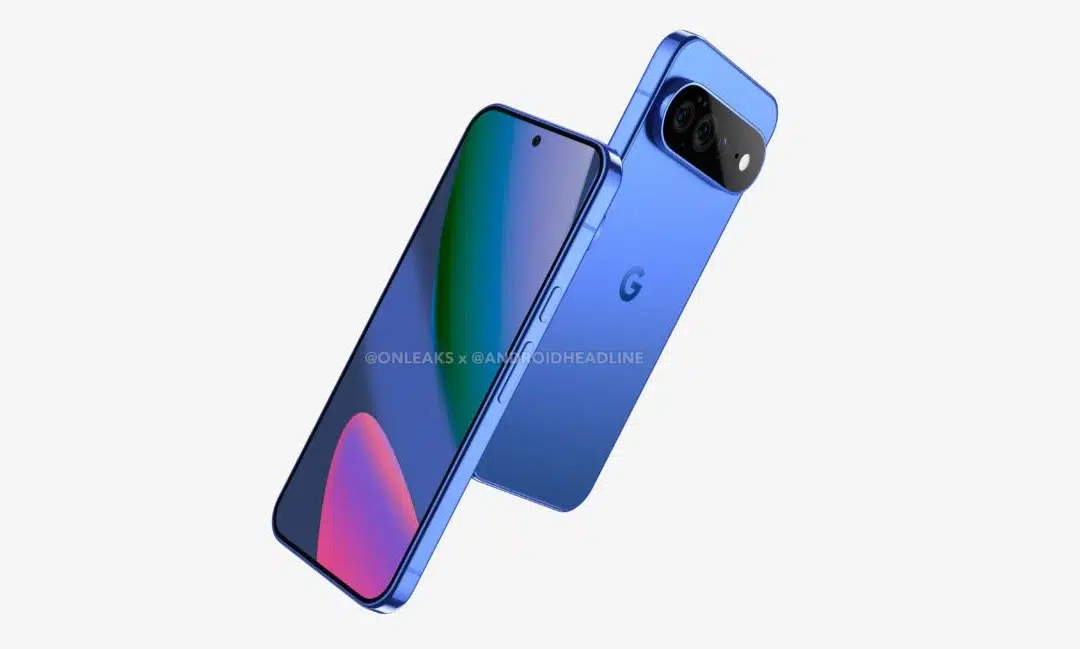
First Set of Pixel 11 Pro XL Renders Are Here
Pixel 11 Pro XL CAD renders show minimal design changes
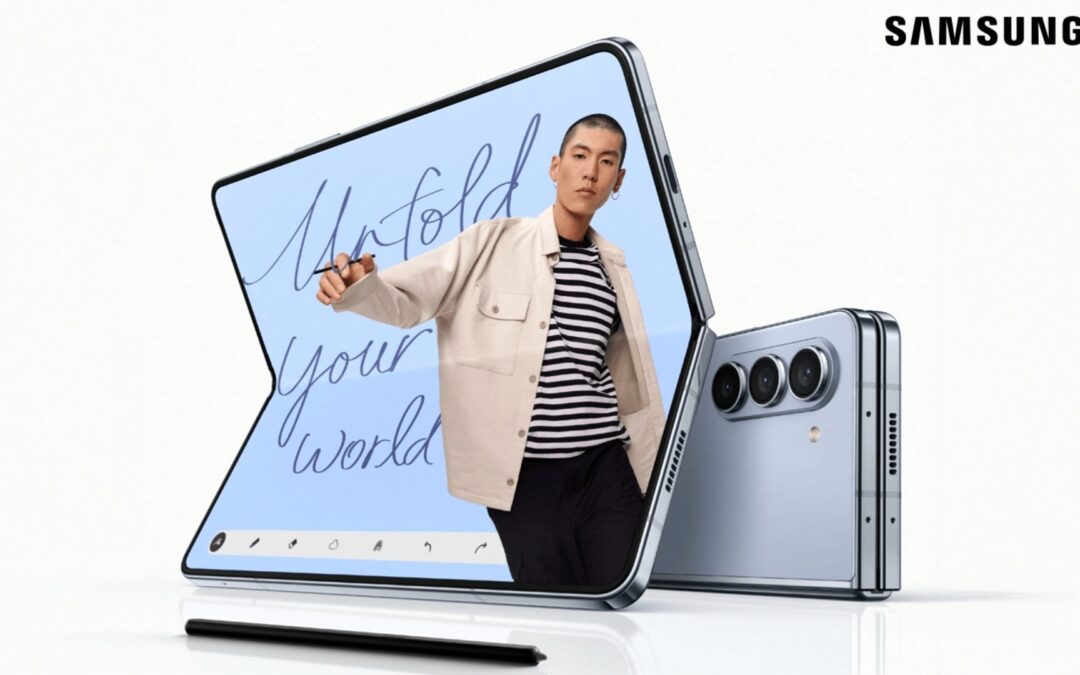
Is Samsung Preparing One UI 8.5 Beta for Galaxy Z Fold 5 and Flip 5?
Samsung may launch a One UI 8.5 beta program for its 2023 foldables
Galaxy S25 One UI 8.5 Beta May Run Longer Than Expected
Galaxy S25 series’ One UI 8.5 beta may stretch to 10 rounds