First Galaxy S26+ Live Images Appears, Exynos 2600 Confirmed

SammyGuru is reader-supported. We have affiliate and sponsored partnerships, so we may earn a commission when you buy through links on our site — at no extra cost to you. Learn more.
After a series of CAD-based renders, we may finally have our first live images of Samsung’s upcoming Galaxy S26+. A couple of photos shared on X allegedly show a working prototype or review unit of the phone, revealing its final design ahead of launch. The source also confirms that the device runs on the Exynos 2600 processor.
Galaxy S26+ live images surface months before launch
Noted X leaker @phonefuturist claims to have tested a near-production unit of the Galaxy S26+. They posted a photo showing the phone’s back side. The same source also posted a second photo allegedly showing a review unit. The design lines up well with the CAD renders that leaked earlier this week.
As expected, the camera island returns, with three lenses housed within the vertical bumper. The lenses themselves protrude slightly above the bump, adding extra height to the camera region. The Galaxy S26+ also appears to have sharper edges and corners, a change Samsung adopted to unify the design language across the 2026 flagship lineup. The Ultra model, known for its boxy design, is switching to rounder corners next year.
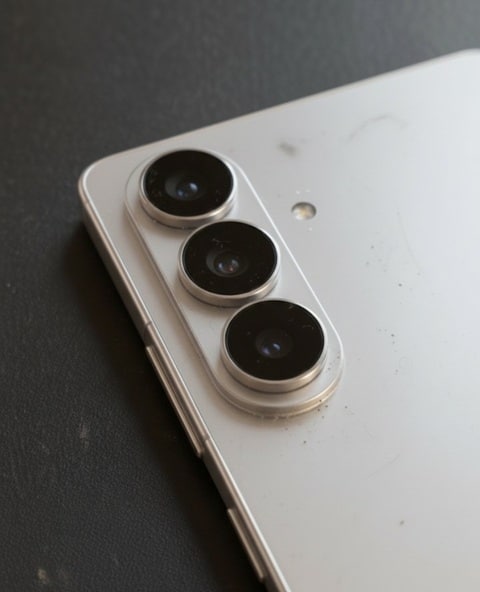
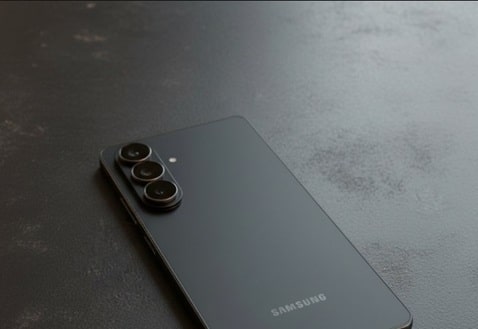
As you can see, the leaked photos show the Galaxy S26+ in dark grey and white or beige. However, it’s unclear if these are official colors. According to the source, the device is powered by Samsung’s in-house Exynos 2600 chipset with 12GB RAM and 512GB storage. Rumors suggest the Galaxy S26 and S26+ will ship with the new 2nm chip in some parts of the world. The S26 Ultra will probably feature the Snapdragon 8 Elite Gen 5 globally.
The alleged prototypes shown in the images are said to be running a beta version of One UI 8.5. The tipster claims that the camera performance and videography quality have “improved significantly,” while battery endurance is “solid.” Of course, prototype feedback is often subjective and not always representative of the final product.
While the images look convincing at first glance, there are several reasons to remain skeptical. Samsung keeping prototypes under tight wraps makes such an early, clean leak unusual. More importantly, the rear panel lacks the regulatory or tracking patches typically found on internal test hardware. In today’s landscape, where fake, AI-generated Galaxy S26 Ultra renders have sparked controversy, the possibility of manipulated or fabricated images can’t be dismissed entirely. The chances may be low, but it’s a reality the tech community must consider.

Written by
Sumit AdhikariSumit, a life-long Samsung user, is passionate about technology and has been professionally writing on tech since 2017. He’s a mathematics graduate by education and enjoys teaching basic mathematics tricks to school kids in his spare time. Sumit believes in artificial intelligence and dreams of a fully open, intelligent and connected world.

Follow us on Google Discover & set us as a preferred source in Google News
Share this Post
___________________________


New Blog Posts
___________________________
First Set of Pixel 11 Pro XL Renders Are Here
Pixel 11 Pro XL CAD renders show minimal design changes

Is Samsung Preparing One UI 8.5 Beta for Galaxy Z Fold 5 and Flip 5?
Samsung may launch a One UI 8.5 beta program for its 2023 foldables
Galaxy S25 One UI 8.5 Beta May Run Longer Than Expected
Galaxy S25 series’ One UI 8.5 beta may stretch to 10 rounds