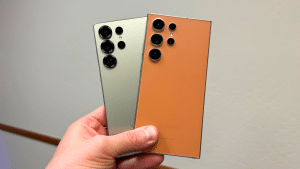
Galaxy S26 Ultra’s 65W Internal Tests Aren’t Promising
SammyGuru is reader-supported. We have affiliate and sponsored partnerships, so we may earn a commission when you buy through links on our site — at no extra cost to you. Learn more.
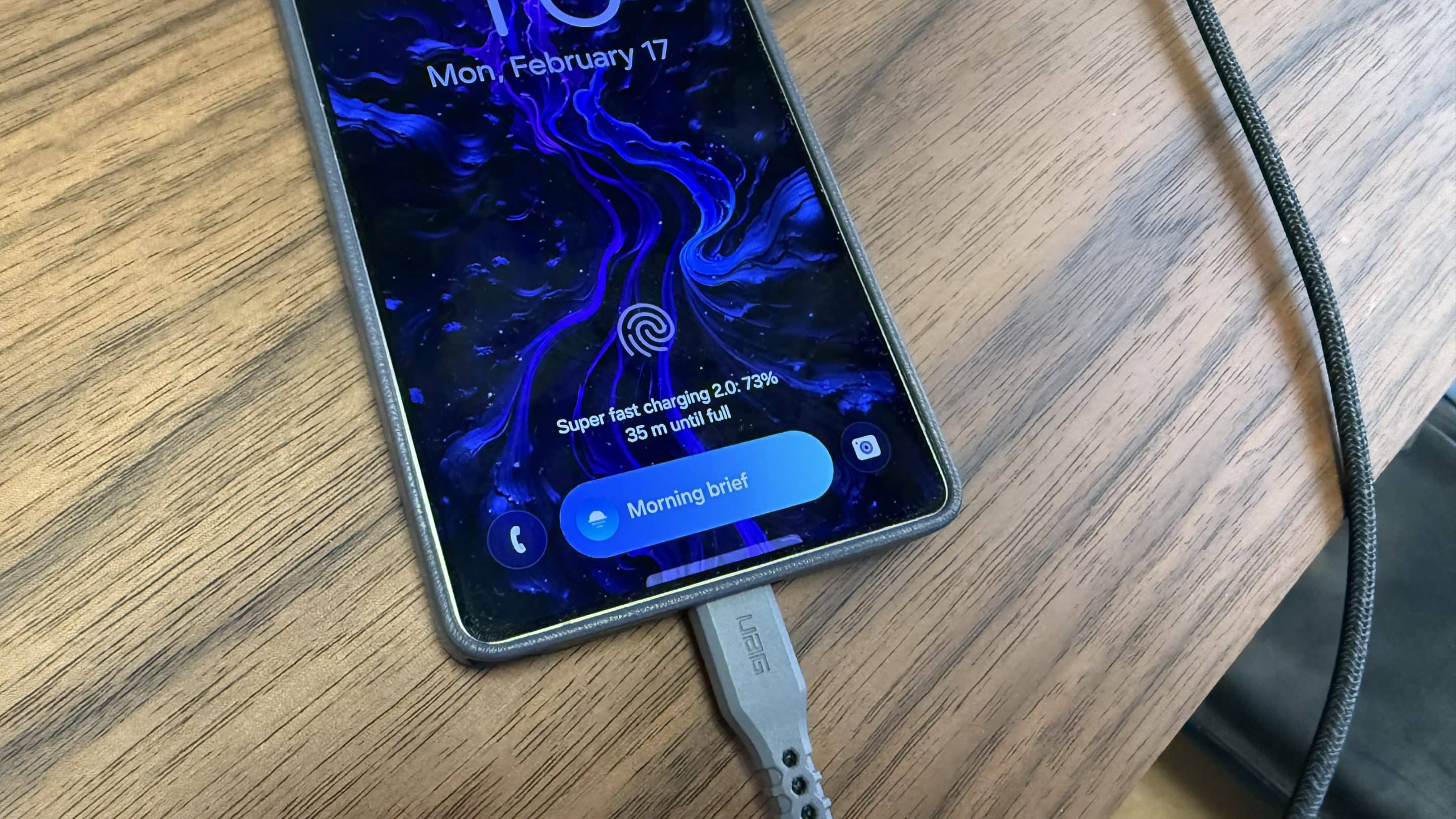
October has been an exciting month for the Galaxy S26 Series. We’ve recently learned of the Galaxy S26 Ultra’s camera details via a leak from ß. Now, we may have a clear idea of what’s to come for charging speeds with the next Ultra. Unfortunately, it’s not good news, and it may also explain why Samsung is having a difficult time choosing between Exynos and Snapdragon.
Qualcomm could jeopardize 65W charging for Galaxy S26 Ultra
Samsung and Qualcomm have had a fruitful relationship these last few years, which we have seen with their semi-custom chipset for the Galaxy S25 Series. The Snapdragon 8 Elite for Galaxy has ProScaler and a boost in low-light video performance. Samsung was able to fine-tune the Snapdragon 8 Elite for Galaxy to consume less power for day-to-day tasks. If Samsung has done the same for the next-generation chipset, it seems that won’t be enough.
ß revealed Galaxy S26 Ultra’s charging speed and thermals are playing a role with its inclusion. The Snapdragon 8 Elite Gen 5 is Samsung’s current obstacle, and after speaking with ß, Exynos doesn’t share this same limitation.
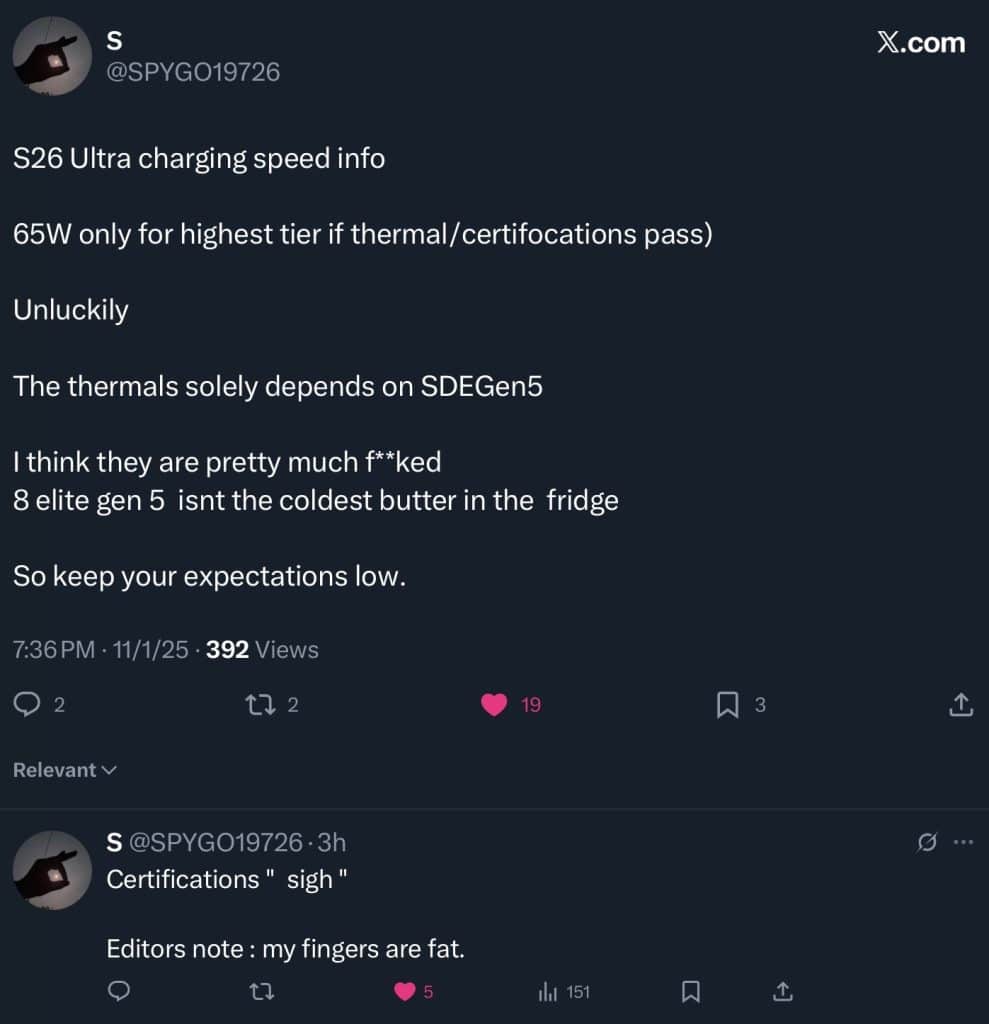
ß discussing Galaxy S26 Ultra’s 65W Charging
Moreover, the Galaxy Note 7 disaster still haunts Samsung to this day; they even have a ‘NOTE-7’ Compliance Protocol. We’ve seen how reluctant the company is to increase the battery capacity on the Galaxy S Ultra line. It has remained the same since the Galaxy S20 Ultra, which tells us that Samsung is playing it safe.
Qualcomm’s chipsets are prone to overheating
This feels like a recurring issue after the Snapdragon 8 Gen 2. All subsequent models, including the Snapdragon 8 Gen 3, reported overheating when running a benchmark. The Snapdragon 8 Elite had the same issues, so much so that running a benchmark forced the Honor Magic 7 Pro to shut down. We could say that different OEMs have different cooling solutions, but the Snapdragon 8 Elite had another instance with the Realme GT7 Pro.
Moreover, it looks like Qualcomm’s issues are solved with more expenses. The chipset is hotter than its predecessor, so it requires a larger vapor chamber. It isn’t as efficient as it’s predecessor, meaning a larger battery for sustained endurance.
As with previous leaks, it’s best to take this with a grain of salt. Samsung’s plan can still change before Unpacked, which we now know is scheduled for February 25, 2026.


Follow us on Google Discover & set us as a preferred source in Google News
Share this Post
___________________________


New Blog Posts
___________________________
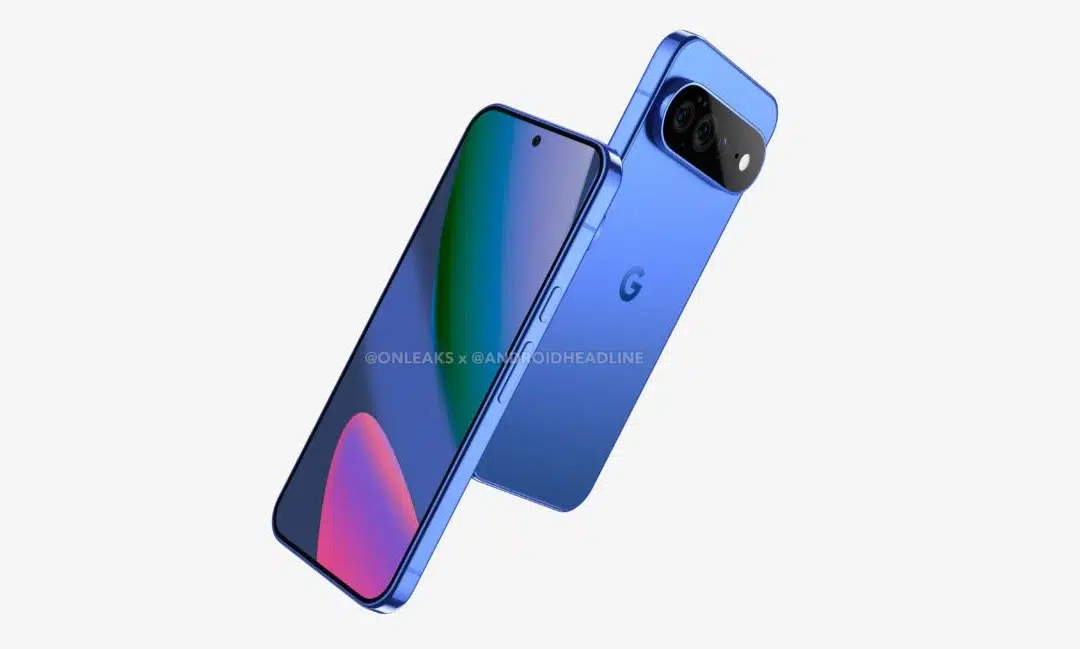
First Set of Pixel 11 Pro XL Renders Are Here
Pixel 11 Pro XL CAD renders show minimal design changes

Is Samsung Preparing One UI 8.5 Beta for Galaxy Z Fold 5 and Flip 5?
Samsung may launch a One UI 8.5 beta program for its 2023 foldables
Galaxy S25 One UI 8.5 Beta May Run Longer Than Expected
Galaxy S25 series’ One UI 8.5 beta may stretch to 10 rounds