Samsung’s Profit Surged 33% in Q3 2025, Thanks to Memory Boost
SammyGuru is reader-supported. We have affiliate and sponsored partnerships, so we may earn a commission when you buy through links on our site — at no extra cost to you. Learn more.
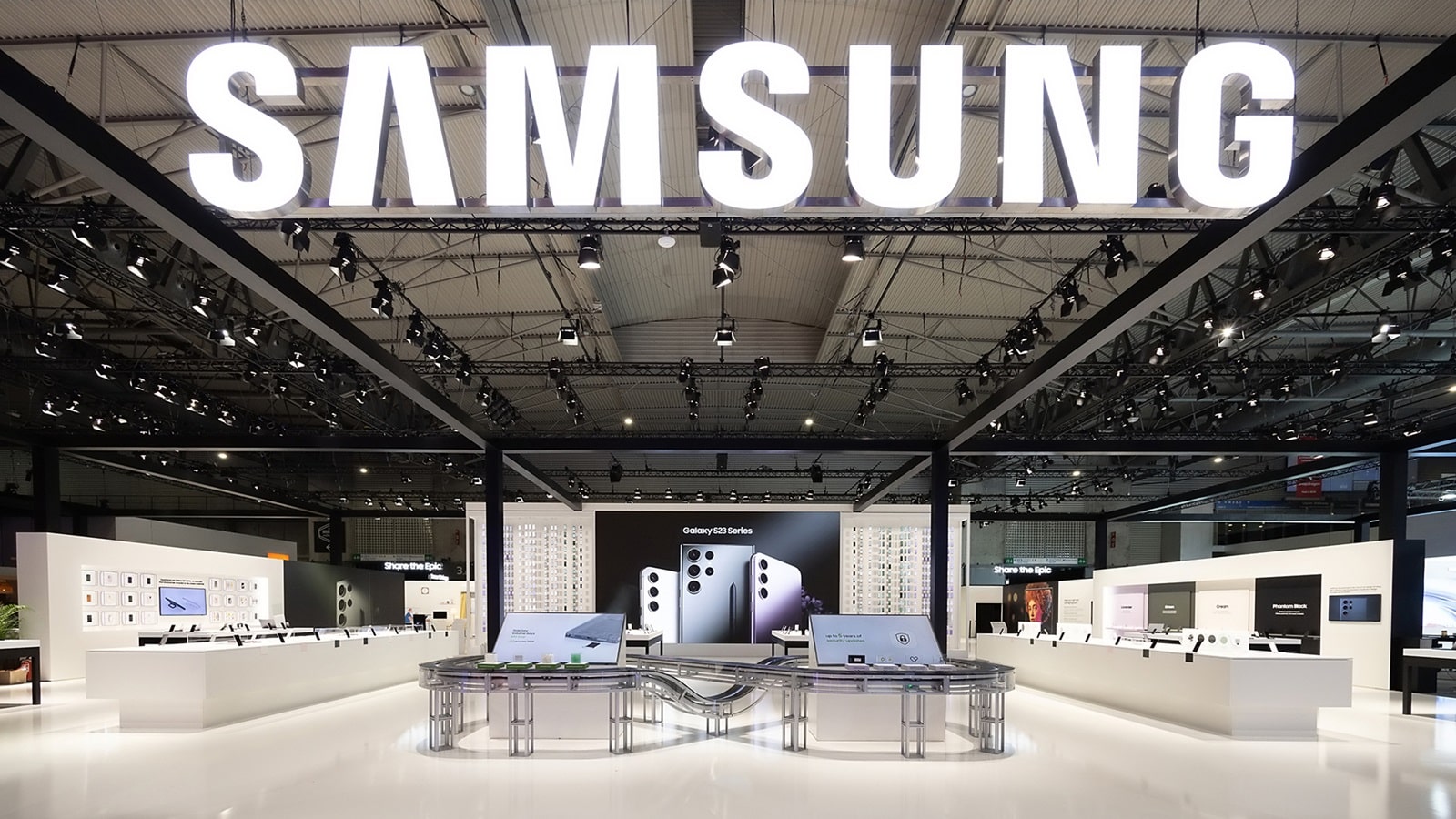
Samsung has announced its financial results for the third quarter of 2025, showing a strong comeback in its key businesses. The company posted consolidated revenue of KRW 86.1 trillion (approx. $60.3 billion) and an operating profit of KRW 12.2 trillion (approx. $8.5 billion). These promising figures were the result of strong demand for semiconductors and solid sales of new smartphones.
Samsung performed quite well in the third quarter of 2025
While Samsung’s performance in the last two quarters had not been satisfactory, the company made a strong comeback in the third quarter. Compared with Q3 2024 (revenue of KRW 79.1 trillion and operating profit of KRW 9.18 trillion), the latest numbers represent about 9% increase in revenue and around a 33% increase in operating profit year-on-year.
Samsung’s Device Solutions (DS) Division, which operates the semiconductor business, reported revenue of KRW 33.1 trillion and profit of KRW 7.0 trillion. The company saw an all-time high in quarterly sales for its memory business, thanks to strong demand for HBM3E chips and server SSDs. Other contributing factors to the growth included a favorable pricing environment and reduced inventory value adjustments.
Meanwhile, Samsung Display Corporation (SDC) recorded revenue of KRW 8.1 trillion and an operating profit of KRW 1.2 trillion for the third quarter. The display business achieved these promising figures because of robust demand for panels used in flagship smartphones. Furthermore, the division succeeded in increasing sales of large displays for gaming monitors.
Speaking of the Mobile eXperience (MX) and Networks businesses, Samsung reported revenue of KRW 34.1 trillion and operating profit of KRW 3.6 trillion in the third quarter. The strong results were driven by the successful launch of the Galaxy Z Fold 7 and improved sales of tablets and wearables.
The Visual Display (VD) and Digital Appliances businesses recorded revenue of KRW 13.9 trillion in the third quarter. Unfortunately, they posted an operating loss of KRW 0.1 trillion. Despite solid sales of premium products such as Neo QLED, OLED, and large-screen TVs, profits dropped due to stiff market competition. The company now plans to take advantage of seasonal demand to recover profits in the last quarter of the year.

Written by
Binay KonwarBinay Konwar started his blogging journey in 2014 and has since written plenty of tech articles. At present, he is working as a News Writer at SammyGuru, covering everything about Samsung. He holds a Master's degree in Mathematics, but his real passion lies in tech and writing. In his free time, he enjoys playing chess and watching movies.

Follow us on Google Discover & set us as a preferred source in Google News
Share this Post
___________________________


New Blog Posts
___________________________
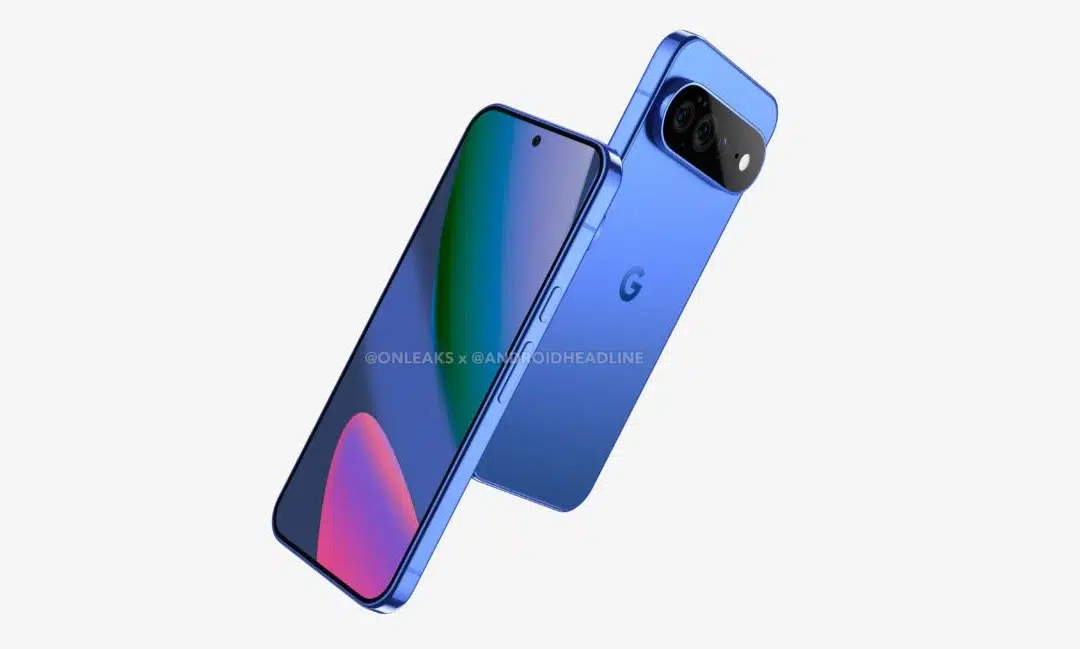
First Set of Pixel 11 Pro XL Renders Are Here
Pixel 11 Pro XL CAD renders show minimal design changes

Is Samsung Preparing One UI 8.5 Beta for Galaxy Z Fold 5 and Flip 5?
Samsung may launch a One UI 8.5 beta program for its 2023 foldables
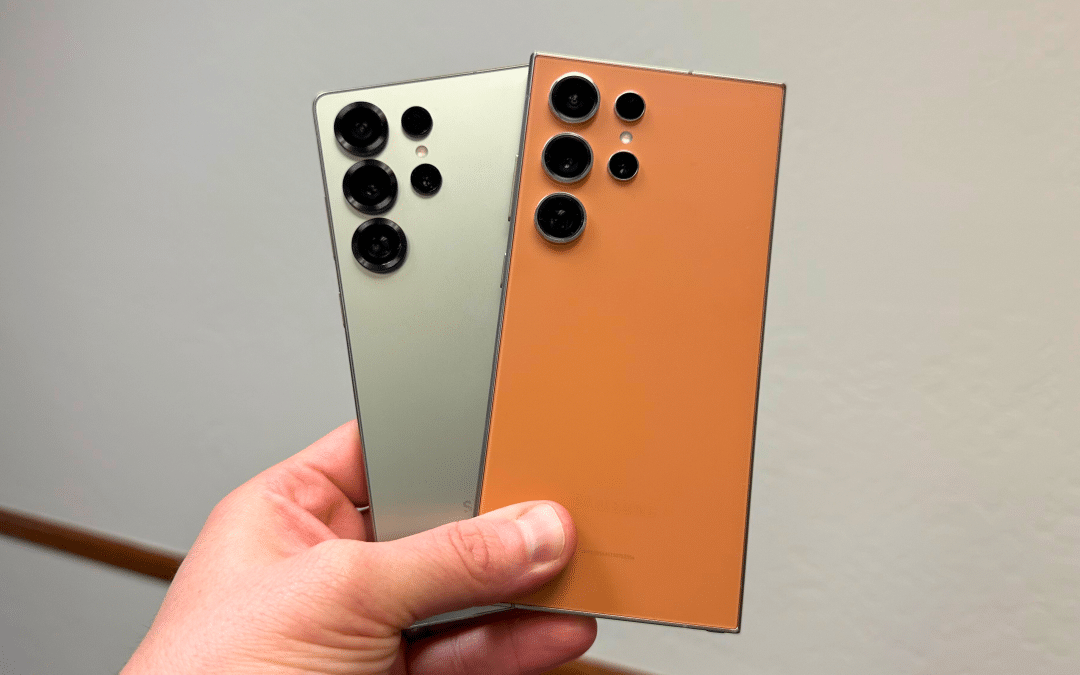
Galaxy S25 One UI 8.5 Beta May Run Longer Than Expected
Galaxy S25 series’ One UI 8.5 beta may stretch to 10 rounds