ChatGPT Android App Tests Direct Messaging, Including Group Chats
SammyGuru is reader-supported. We have affiliate and sponsored partnerships, so we may earn a commission when you buy through links on our site — at no extra cost to you. Learn more.
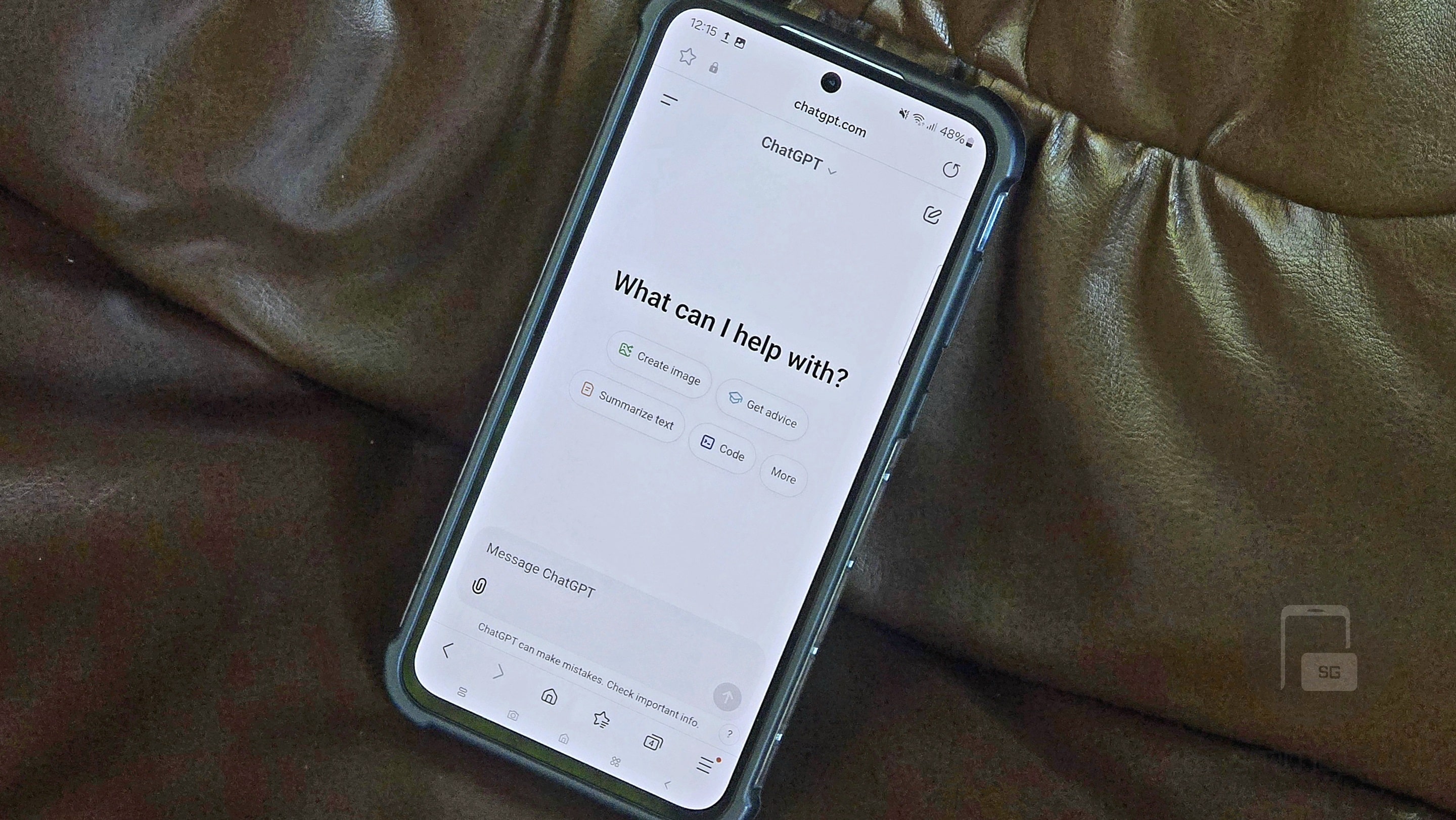
OpenAI’s ChatGPT Android app is quietly taking its first steps toward becoming a full-fledged messaging platform. In the latest beta release, the company has begun testing Direct Messaging (DM) capabilities, allowing users to communicate with one another directly within the app. This marks a significant move toward making ChatGPT more social and collaborative than ever before.
OpenAI is quietly testing Direct Messaging within ChatGPT
The new Direct Messages feature, internally known as “Calpico,” surfaced in version 1.2025.273 beta of the Android app. Discovered by developer Tibor Blaho, this experimental system allows ChatGPT users to message each other directly. The feature appears inspired by the messaging system in OpenAI’s Sora 2 iOS app, hinting at a unified, cross-platform strategy for communication and collaboration within the OpenAI ecosystem.
Early builds suggest that this is more than just one-on-one chatting. The DMs system reportedly supports group conversations (Calpico Rooms), assistant participation, and even joint creative work, including text and image generation within shared threads. Users can rename assistants, block accounts, manage invitations, and collaborate in real time, suggesting OpenAI’s long-term goal is to create shared workspaces powered by AI rather than simple messaging channels.
Current reports indicate that these DMs may not yet include end-to-end encryption (E2EE), the gold standard for private communication used by many popular apps. Without it, the ChatGPT messaging system might struggle to match the security reputation of dedicated chat platforms. OpenAI must be working on it behind the scenes.
CEO Sam Altman has previously hinted at introducing “AI privilege,” a concept akin to attorney-client confidentiality for AI interactions, where user data would be treated with heightened privacy protections. The rollout of DMs could be the first step toward that broader ambition, eventually expanding ChatGPT into a multifunctional “everything app” encompassing collaboration, commerce, and possibly hardware integration.

Written by
Sumit AdhikariSumit, a life-long Samsung user, is passionate about technology and has been professionally writing on tech since 2017. He’s a mathematics graduate by education and enjoys teaching basic mathematics tricks to school kids in his spare time. Sumit believes in artificial intelligence and dreams of a fully open, intelligent and connected world.

Follow us on Google Discover & set us as a preferred source in Google News
Share this Post
___________________________


New Blog Posts
___________________________
First Set of Pixel 11 Pro XL Renders Are Here
Pixel 11 Pro XL CAD renders show minimal design changes

Is Samsung Preparing One UI 8.5 Beta for Galaxy Z Fold 5 and Flip 5?
Samsung may launch a One UI 8.5 beta program for its 2023 foldables
Galaxy S25 One UI 8.5 Beta May Run Longer Than Expected
Galaxy S25 series’ One UI 8.5 beta may stretch to 10 rounds