Galaxy Phones Emerge Safer in Emergencies, iPhones Lag Behind
SammyGuru is reader-supported. We have affiliate and sponsored partnerships, so we may earn a commission when you buy through links on our site — at no extra cost to you. Learn more.
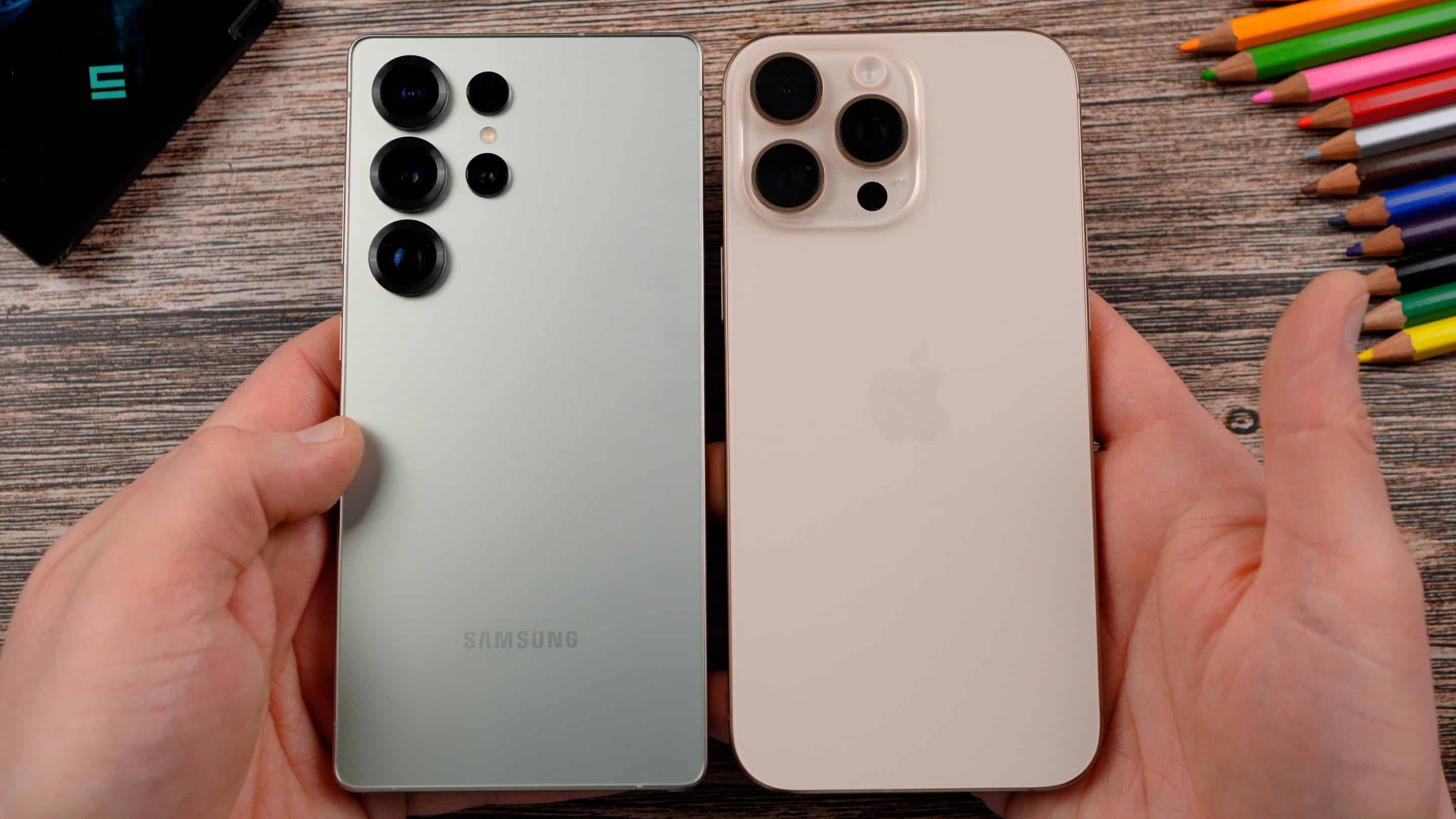
If you are stuck in an emergency situation, you want help to arrive as quickly as possible. Today, the fastest way to reach assistance is often the smartphone in your pocket. A recent survey shows that Android devices, including Samsung Galaxy models, deliver location data to emergency responders faster than iPhones, giving users a crucial edge when it matters most.
iPhone users in South Korea face delays in emergency response
The Korea Communications Commission’s 2024 quality test came to light recently, revealing the difference between Android and iPhone’s emergency location performance. The test found that Samsung’s Galaxy S24 Ultra could send location data in just 1.4 to 2.4 seconds with accuracy between 13 and 25 meters, depending on whether it uses cell towers, GPS, or Wi-Fi. In comparison, iPhones took about 20 seconds to respond. They could only share location data via GPS and Wi-Fi within five minutes of the call.
Apple says that the delay is because of the “trade-off between precision and speed.” The company is concerned about battery drain and hacking risks, and hence it limits the sharing of location data to five minutes after the call. Moreover, it doesn’t allow real-time data sharing with third-party responders, such as police or fire departments. “HELO delivers highly accurate location data derived from multiple positioning technologies,” said Trey Forgety, Apple’s head of emergency systems strategy.
However, Apple’s delay in sharing location data has sparked questions about safety, mainly after a recent incident (September 3) in Seoul, where three people lost their lives. After the initial emergency call from an iPhone, it reportedly took about 20 minutes for the police to arrive. The reason was that they were unable to pinpoint the caller’s exact location.
According to a report from Koreaherald, Apple has repeatedly declined requests from Korean authorities to expand its emergency location sharing. The company says it can’t do this because of global policy and privacy concerns. While Android phones send location data through separate signals from cell towers, GPS, and Wi-Fi, iPhones use a proprietary hybrid system. Dubbed HELO (Hybridized Emergency Location), it combines these signals internally, which results in slower transmission of location data during emergencies.

Written by
Binay KonwarBinay Konwar started his blogging journey in 2014 and has since written plenty of tech articles. At present, he is working as a News Writer at SammyGuru, covering everything about Samsung. He holds a Master's degree in Mathematics, but his real passion lies in tech and writing. In his free time, he enjoys playing chess and watching movies.
Follow us on Google Discover & set us as a preferred source in Google News
Share this Post
___________________________


New Blog Posts
___________________________
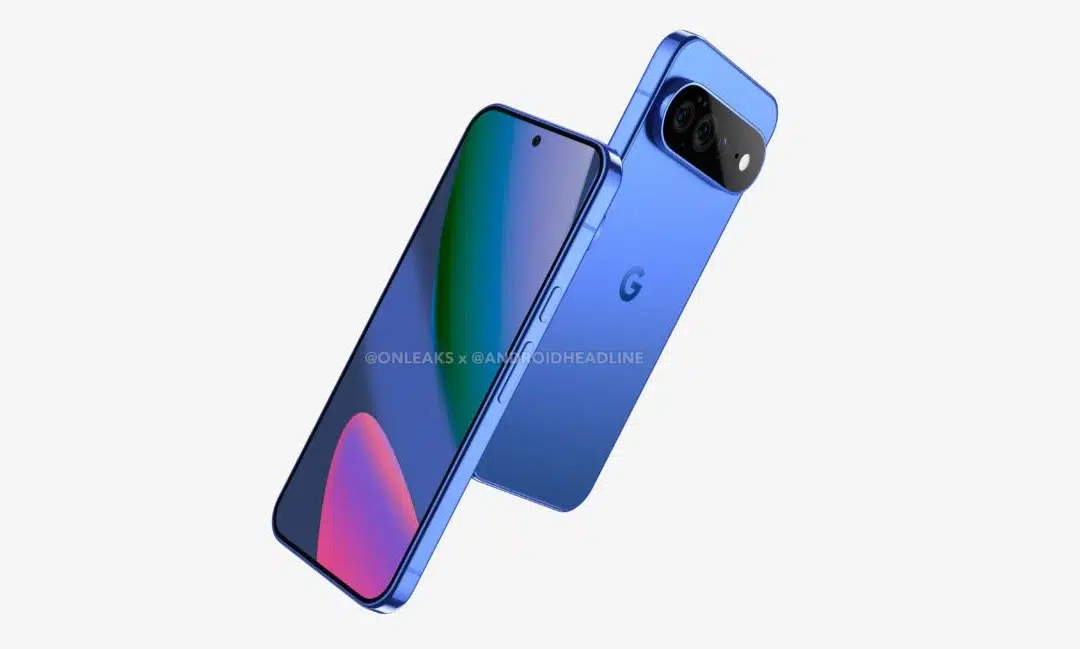
First Set of Pixel 11 Pro XL Renders Are Here
Pixel 11 Pro XL CAD renders show minimal design changes
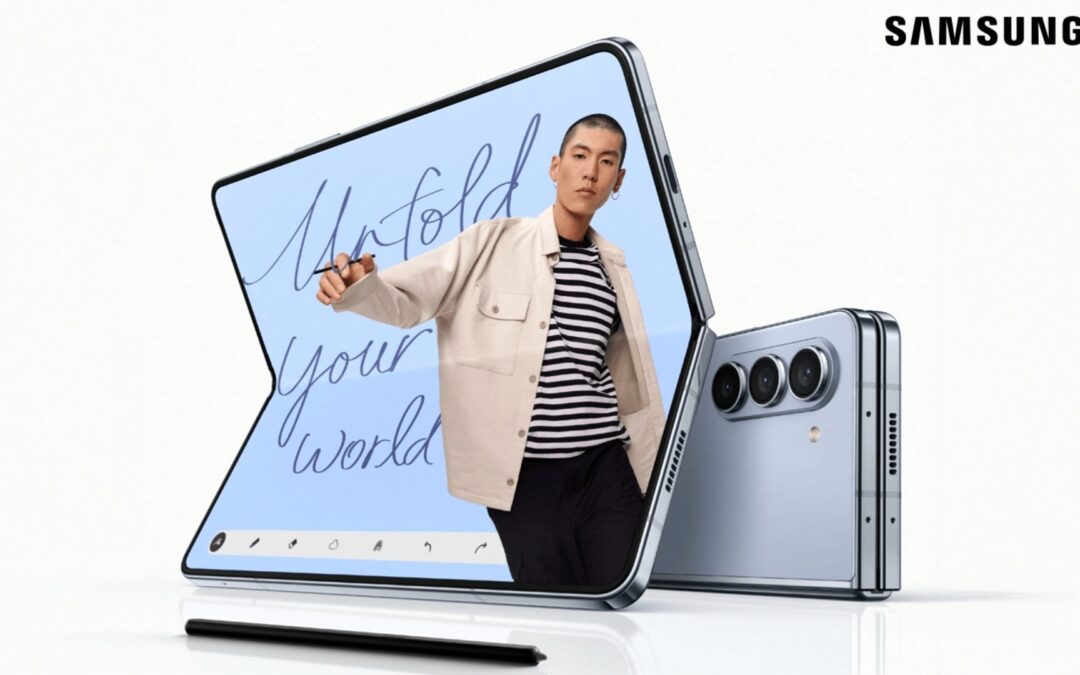
Is Samsung Preparing One UI 8.5 Beta for Galaxy Z Fold 5 and Flip 5?
Samsung may launch a One UI 8.5 beta program for its 2023 foldables
Galaxy S25 One UI 8.5 Beta May Run Longer Than Expected
Galaxy S25 series’ One UI 8.5 beta may stretch to 10 rounds