One UI 8 Launch Exposes Samsung’s Weakness in Software Updates

SammyGuru is reader-supported. We have affiliate and sponsored partnerships, so we may earn a commission when you buy through links on our site — at no extra cost to you. Learn more.
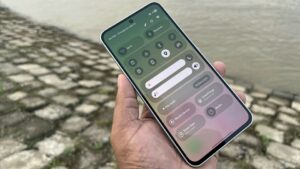
On September 15, Samsung began rolling out One UI 8, its Android 16-based update for Galaxy devices. The timing was no accident, as it landed on the very same day Apple released iOS 26. While the Korean firm may deny any connection, the move was clearly calculated to grab a share of the spotlight. Instead, it ended up exposing Samsung’s shortcomings, rather than stealing Apple’s thunder.
A stable One UI 8 rollout in name only
Despite the big “official rollout” tag, One UI 8 barely made it out the door. The update is available only for the Galaxy S25 series, and even then, just in Korea. There’s no telling when global Galaxy S25 units will receive the update. As for the rest of the Galaxy lineup, One UI 8 may not be available until October. Worse yet, the update may be delayed until November or December for some models.
Apple, on the other hand, stuck to its tried-and-true approach: iOS 26 arrived for every eligible iPhone and iPad, everywhere, on day one. The contrast couldn’t be more obvious. Granted, Samsung has a far more diverse hardware lineup than Apple, which means testing and optimization naturally take longer. But even with that in mind, the company’s rollout strategy still falls short when compared to Apple’s seamless global releases.
If the iPhone-maker can drop iOS 26 to all millions of eligible models at once, why can’t Samsung at least push One UI 8 to its flagships globally? There’s not much of a hardware difference between its Galaxy S lineups from the past few years (and even Galaxy Z foldables). Quite clearly, yesterday’s stable One UI 8 release for the Galaxy S25 series in Korea was a thoughtful move, hoping to siphon some attention away from iOS 26, though it backfired.
Lack of transparency leaves users guessing
To Samsung’s credit, its software update policy has improved dramatically in recent years. Monthly patches arrive faster, and flagship devices are supported for longer than ever before. But One UI 8 shows how much work remains. By limiting availability to a single region and a single series on launch day, Samsung ended up showcasing just how far behind it still is when compared to Apple’s global coordination.
Samsung doesn’t need to beat Apple at Apple’s game. What it needs is to prove to its loyal customers that their devices matter, regardless of when or where they bought them. A staggered, country-by-country rollout doesn’t exactly inspire confidence, especially when the competition delivers massive updates to millions of users in one go.
Samsung also needs to be more transparent about its rollout schedule. Instead of providing clear dates, it typically offers vague timelines that leave users guessing. Take One UI 8, for instance — Samsung promised it would arrive for the Galaxy S25 series in September but never specified when. Apple, by contrast, announced at the iPhone 17 launch event that iOS 26 would land on September 15, and delivered exactly as promised.
That kind of clarity builds trust and turns a software release into an event of its own, something users look forward to and celebrate. Imagine if Samsung had announced a firm global launch date for One UI 8 across all eligible Galaxy S and Galaxy Z flagships. The anticipation alone would have created positive buzz. Hopefully, Samsung learns from this misstep and approaches One UI 8.5 with more transparency and confidence.

Written by
Sumit AdhikariSumit, a life-long Samsung user, is passionate about technology and has been professionally writing on tech since 2017. He’s a mathematics graduate by education and enjoys teaching basic mathematics tricks to school kids in his spare time. Sumit believes in artificial intelligence and dreams of a fully open, intelligent and connected world.

Follow us on Google Discover & set us as a preferred source in Google News
Share this Post
___________________________


New Blog Posts
___________________________
First Set of Pixel 11 Pro XL Renders Are Here
Pixel 11 Pro XL CAD renders show minimal design changes
Is Samsung Preparing One UI 8.5 Beta for Galaxy Z Fold 5 and Flip 5?
Samsung may launch a One UI 8.5 beta program for its 2023 foldables
Galaxy S25 One UI 8.5 Beta May Run Longer Than Expected
Galaxy S25 series’ One UI 8.5 beta may stretch to 10 rounds