
2nm Exynos 2600 Mass Production Begins Soon, May Power Galaxy S26 Pro and Edge
SammyGuru is reader-supported. We have affiliate and sponsored partnerships, so we may earn a commission when you buy through links on our site — at no extra cost to you. Learn more.
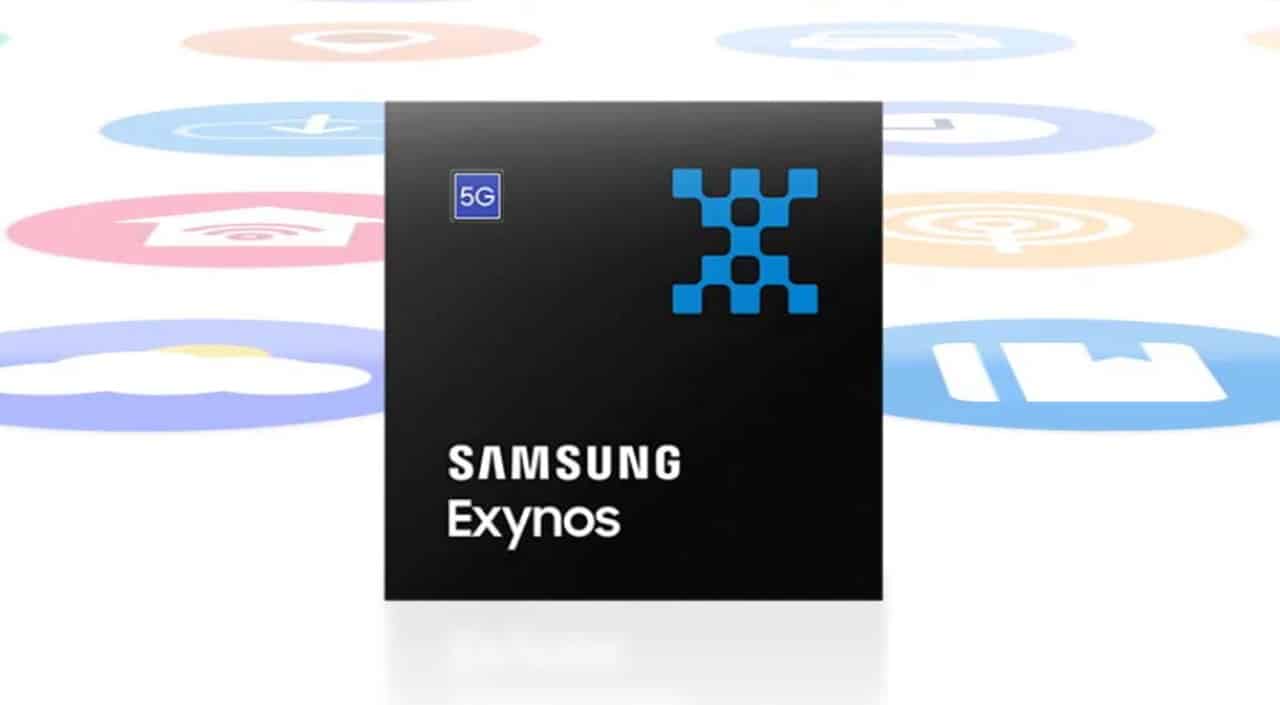
Referred to as Samsung’s second attempt at the dream chip, the Exynos 2600 chipset is on the verge of entering mass production. This means it is highly likely to power the Galaxy S26 Pro and Galaxy S26 Edge, at least in certain regions. A new report now confirms that the Exynos 2600 is set to begin mass production soon.
Samsung’s 2nm Exynos 2600 looks set for mass production
According to Korean outlet The Financial News (via Jukanlosreve), Samsung’s 2nm Exynos 2600 is expected to enter mass production as early as this month. It comes nearly three months after first rumors about the 2nm chipset entering mass production emerged.
Moreover, it will be Samsung’s first 2nm SoC, built using its advanced gate-all-around (GAA) process. The new manufacturing approach is aimed at improving power efficiency and heat management compared to previous chips. To further enhance thermal control, the Exynos 2600 features a dedicated Heat Path Block (HPB) that helps dissipate heat and maintain performance during demanding tasks.
Early Geekbench results show that the Exynos 2600 scored 3,309 in single-core tests and 11,256 in multi-core tests. These numbers put it on par with Qualcomm’s Snapdragon 8 Elite Gen 5. Interestingly, Samsung is expected to use both chips in the Galaxy S26 series. The Snapdragon version will likely be available in the US, South Korea, and a few other regions. Meanwhile India, Europe, and other markets are expected to get the Exynos version. This assumption is based on how Samsung shipped the Galaxy S26 series worldwide.
For Samsung’s MX division, using its own chips in flagship phones could help cut costs by reducing the company’s reliance on external suppliers like Qualcomm. At the same time, the System LSI division stands to gain by strengthening its position as an internal component supplier. This could help Samsung stay competitive in smartphone design.
The success of the Exynos 2600 rollout is also important for Samsung Foundry’s long-term goals. A reliable and high-performing 2nm chip would boost trust in Samsung’s advanced manufacturing technology. This, in turn, could attract more outside customers and help expand its foundry business.

Written by
Abhinav AnandAbhinav Anand is the News Editor at SammyGuru and a technology journalist based in New Delhi. Before joining SammyGuru, he contributed to numerous outlets, including Android Headlines, ExtremeTech, The Mac Observer, Financial Express, Economic Times, iGeeksBlog, KnowTechie, PhonesWiki, SlashGear, and more. You can reach him at abhinav@sammyguru.com.

Follow us on Google Discover & set us as a preferred source in Google News
Share this Post
___________________________


New Blog Posts
___________________________

First Set of Pixel 11 Pro XL Renders Are Here
Pixel 11 Pro XL CAD renders show minimal design changes

Is Samsung Preparing One UI 8.5 Beta for Galaxy Z Fold 5 and Flip 5?
Samsung may launch a One UI 8.5 beta program for its 2023 foldables
Galaxy S25 One UI 8.5 Beta May Run Longer Than Expected
Galaxy S25 series’ One UI 8.5 beta may stretch to 10 rounds