Samsung Speeds Up Work at Its Taylor Chip Plant After Tesla Deal
SammyGuru is reader-supported. We have affiliate and sponsored partnerships, so we may earn a commission when you buy through links on our site — at no extra cost to you. Learn more.
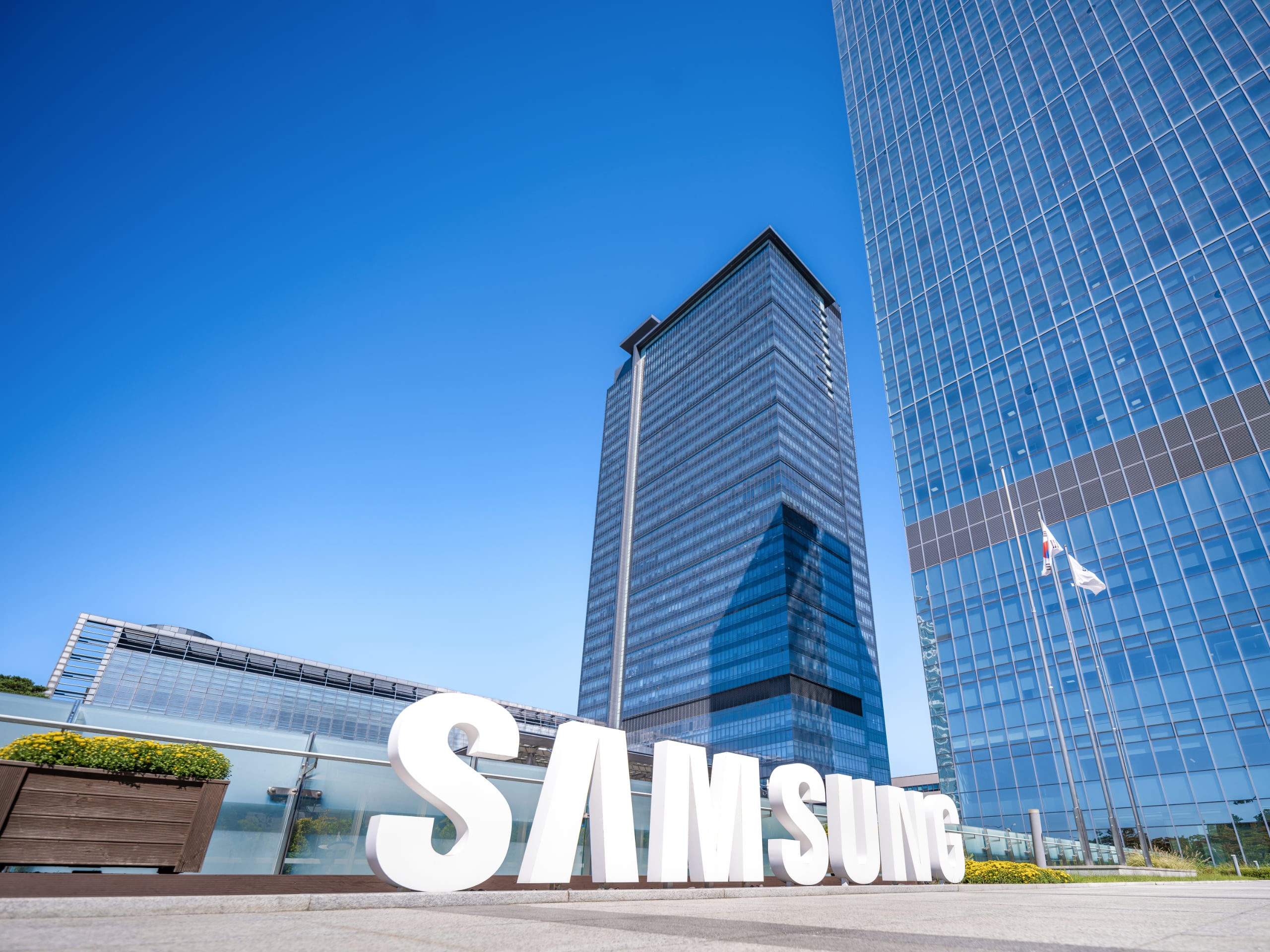
Samsung has faced multiple delays in its ambitions to make the Taylor foundry plant operational. Thanks to the recent deal with Tesla to produce the carmaker’s next-generation AI chips, it is reportedly ramping up work at the plant. It plans to resume investment of around 4 trillion won for equipment, as well as getting ready to deploy personnel.
Samsung’s Taylor fab is preparing to make 2nm chips
Samsung is preparing to begin mass production of advanced chips at its Taylor fab next year. In 2021, the company announced its new US semiconductor hub, aiming to begin operation in 2024. It later pushed the plan to 2025 and then to 2026. The main reason for delaying its plan was the difficulty in securing deals with clients. However, that changed when it signed a major contract worth $16.5 billion with Tesla.
According to a report from ETNews, Samsung may invest about 4 trillion won (approx. $2.8 billion) by the end of next year. The amount is based on producing around 17,000 wafers per month at the Taylor fab. It has already ordered the necessary equipment for the foundry line construction. The publication further says the company is now gearing up to deploy personnel in two waves. The first group will arrive this month, while the second will come in November 2025.
“We have completed the personnel selection process and plan to deploy personnel in September and November. Many partners have already announced equipment orders and are in the process of preparing,” multiple industry insiders told the publication.
As of now, the Taylor semiconductor hub has one building and a single cleanroom. It plans to start a 2nm production line in this cleanroom with 16,000 – 17,000 wafers (12-inch) per month by the end of next year. Speaking of the personnel role, they will install equipment, optimize processes, and test wafers. While the process stabilization for 3nm takes about 10 months, 2nm may take roughly 11 months.
Meanwhile, Samsung is reportedly trying to secure deals with several global tech giants such as Nvidia, Apple, Qualcomm, and AMD. This will allow the company to expand its client base, increase production at its US plant, and strengthen its position in the semiconductor space.

Written by
Binay KonwarBinay Konwar started his blogging journey in 2014 and has since written plenty of tech articles. At present, he is working as a News Writer at SammyGuru, covering everything about Samsung. He holds a Master's degree in Mathematics, but his real passion lies in tech and writing. In his free time, he enjoys playing chess and watching movies.

Follow us on Google Discover & set us as a preferred source in Google News
Share this Post
___________________________


New Blog Posts
___________________________

First Set of Pixel 11 Pro XL Renders Are Here
Pixel 11 Pro XL CAD renders show minimal design changes

Is Samsung Preparing One UI 8.5 Beta for Galaxy Z Fold 5 and Flip 5?
Samsung may launch a One UI 8.5 beta program for its 2023 foldables
Galaxy S25 One UI 8.5 Beta May Run Longer Than Expected
Galaxy S25 series’ One UI 8.5 beta may stretch to 10 rounds