Apple Accused of Stealing Trade Secrets to Make Apple Pay
SammyGuru is reader-supported. We have affiliate and sponsored partnerships, so we may earn a commission when you buy through links on our site — at no extra cost to you. Learn more.
Fintiv, a Texas-based company, sued Apple for allegedly stealing its technology to develop Apple Pay. It filed a lawsuit in the US District Court, Northern District of Georgia, last week. The latest lawsuit comes shortly after a judge in Austin, Texas, dismissed a similar claim.
Fintiv once again filed a complaint alleging trade secret theft against Apple
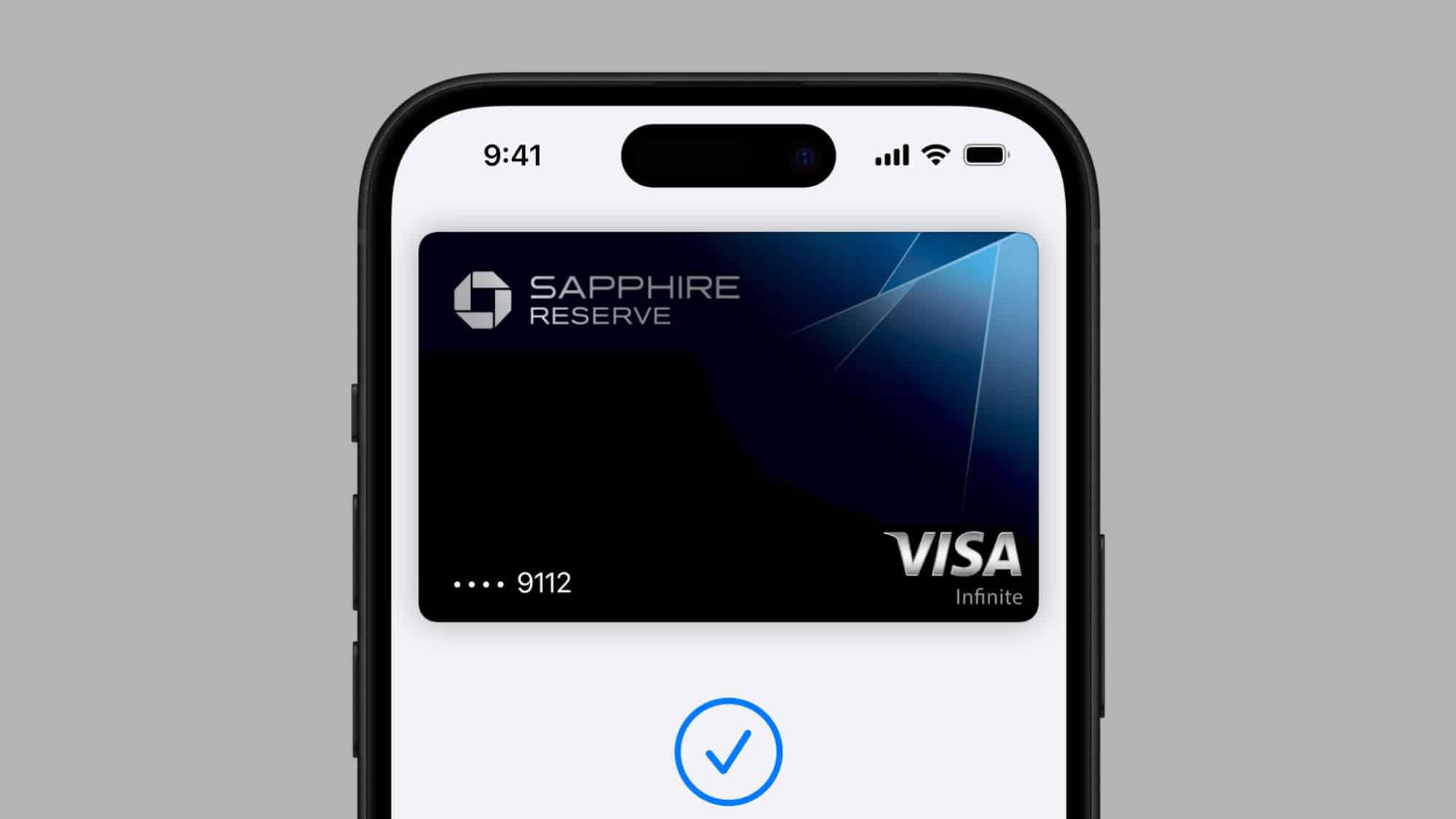
Apple lets its Apple Pay users make secure and contactless purchases. There are a bunch of payment options available, such as Apple Cash, Apple Card, and other credit or debit cards. However, this payment service has once again found itself in the middle of a legal battle, with Fintiv alleging that it used key features developed by CorFire. The Texas company acquired CorFire in 2014.
According to Fintiv, in 2011 and 2012, Apple entered nondisclosure agreements with CorFire to discuss licensing its mobile wallet technology. Instead, Apple hired some of CorFire’s employees and used the trade secrets to launch Apple Pay in 2014. The Cupertino giant also led an informal racketeering enterprise by using its digital wallet to generate fees for credit card issuers and the payment networks.
“This is a case of corporate theft and racketeering of monumental proportions,” enabling Cupertino, California-based Apple to generate billions of dollars of revenue without paying Fintiv “a single penny,” the complaint said. Fintiv’s lawyer, Marc Kasowitz, called Apple’s conduct “one of the most egregious examples of corporate malfeasance” he has seen in 45 years of law practice.
Fintiv has now filed a lawsuit seeking compensatory and punitive damages for violations of federal and Georgia trade secrets and anti-racketeering laws, including RICO. Meanwhile, Apple called the latest filing an attempt to distract from their failed patent case. “We launched Apple Pay over a decade ago and have been innovating every day since to give users the best, most private and secure experience available,” the company noted. “We’ll continue to defend against these false claims.”

Written by
Binay KonwarBinay Konwar started his blogging journey in 2014 and has since written plenty of tech articles. At present, he is working as a News Writer at SammyGuru, covering everything about Samsung. He holds a Master's degree in Mathematics, but his real passion lies in tech and writing. In his free time, he enjoys playing chess and watching movies.

Follow us on Google Discover & set us as a preferred source in Google News
Share this Post
___________________________


New Blog Posts
___________________________
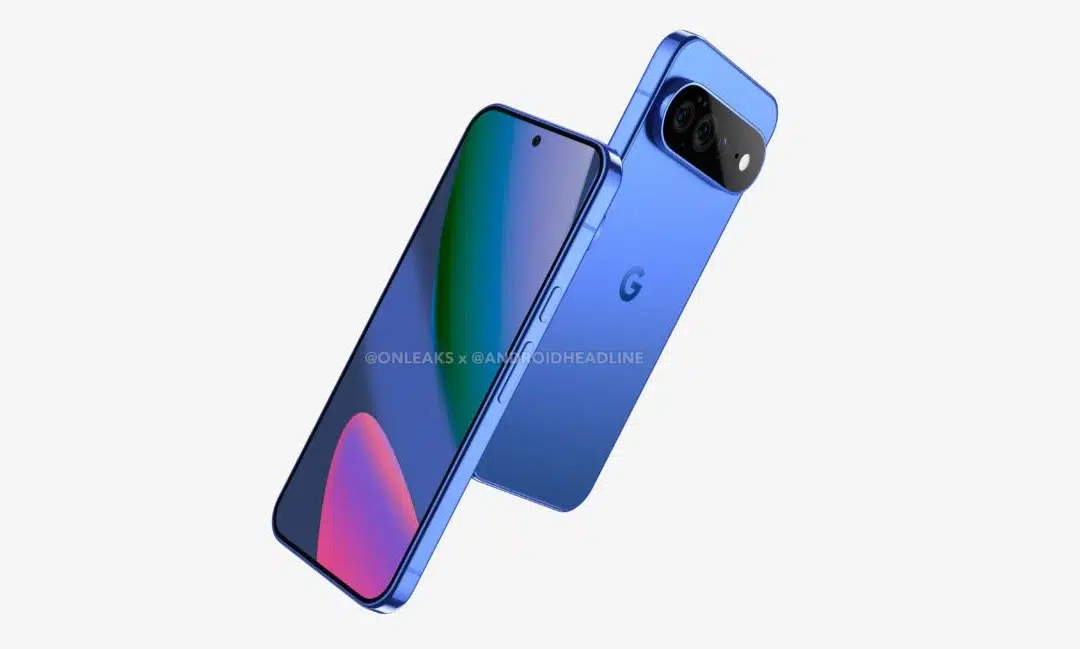
First Set of Pixel 11 Pro XL Renders Are Here
Pixel 11 Pro XL CAD renders show minimal design changes

Is Samsung Preparing One UI 8.5 Beta for Galaxy Z Fold 5 and Flip 5?
Samsung may launch a One UI 8.5 beta program for its 2023 foldables
Galaxy S25 One UI 8.5 Beta May Run Longer Than Expected
Galaxy S25 series’ One UI 8.5 beta may stretch to 10 rounds