Galaxy S26 Ultra May Finally Get Faster Charging — But No Battery Boost
SammyGuru is reader-supported. We have affiliate and sponsored partnerships, so we may earn a commission when you buy through links on our site — at no extra cost to you. Learn more.
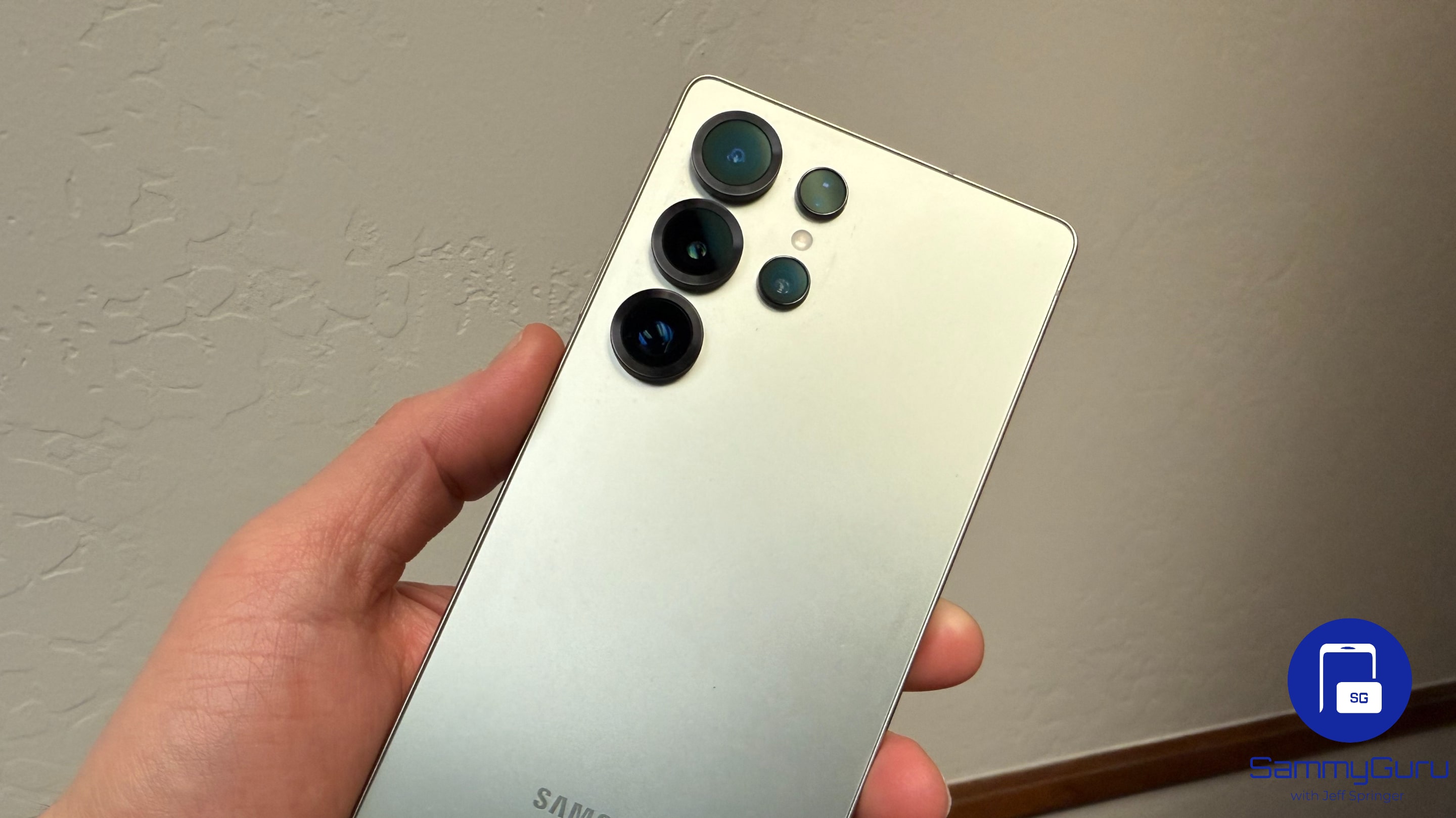
Samsung’s upcoming Galaxy S26 Ultra could finally deliver the charging upgrade fans have been waiting years for. Recent leaks suggest the 2026 flagship may support faster 65W wired charging. But what about the battery capacity? Unfortunately, the company may stick with a 5,000mAh unit for another year. It’s not necessarily a bad thing, though.
Galaxy S26 Ultra may keep the same battery
The Galaxy S Ultra line has stuck with a 5,000mAh battery and 45W wired charging since the S20 Ultra in 2020. That’s six straight generations of virtually no capacity growth or charging boost. But things could change with the Galaxy S26 Ultra next year, at least in one area.
Reliable industry insider Ice Universe recently revealed that the 2026 model will finally surpass the 45W charging limit. They added that the upcoming flagship will be the fastest-charging Samsung smartphone ever. Quoting their X post, another leaker now says Samsung will offer 65W charging on the Galaxy S26 Ultra. The latest leak also mentions a 5,500mAh battery for the phone, but that may not be accurate.
According to Ice Universe, Samsung will stick with a 5,000mAh battery for the Galaxy S26 Ultra. While that may disappoint some power users, the Korean firm has its reasons. Despite an unchanged battery capacity, it has improved the battery life with each new Ultra model over the past six years. Software optimizations, efficiency upgrades, and other changes help the newer devices get more out of their batteries.
Samsung is expected further to improve the battery life with the Galaxy S26 Ultra. The goal is to maintain the battery capacity while simultaneously making phones slimmer and lighter. The company has consistently reduced the weight and thickness of its Ultra flagships, and the 2026 model may be no different.
Interestingly, the Galaxy S26 Edge is also rumored to be thinner than the S25 Edge (5.8mm), while still packing a larger battery. Samsung may make it possible by switching to next-generation battery materials, likely a silicon-carbon anode. It looks like the company won’t go that route for the Ultra; rather, use the Edge as an experimental device for the new battery technology. We shall find out in the coming months.

Written by
Sumit AdhikariSumit, a life-long Samsung user, is passionate about technology and has been professionally writing on tech since 2017. He’s a mathematics graduate by education and enjoys teaching basic mathematics tricks to school kids in his spare time. Sumit believes in artificial intelligence and dreams of a fully open, intelligent and connected world.

Follow us on Google Discover & set us as a preferred source in Google News
Share this Post
___________________________


New Blog Posts
___________________________
First Set of Pixel 11 Pro XL Renders Are Here
Pixel 11 Pro XL CAD renders show minimal design changes

Is Samsung Preparing One UI 8.5 Beta for Galaxy Z Fold 5 and Flip 5?
Samsung may launch a One UI 8.5 beta program for its 2023 foldables
Galaxy S25 One UI 8.5 Beta May Run Longer Than Expected
Galaxy S25 series’ One UI 8.5 beta may stretch to 10 rounds