Google Begins Testing Cross-Platform MLS Encryption in Messages
SammyGuru is reader-supported. We have affiliate and sponsored partnerships, so we may earn a commission when you buy through links on our site — at no extra cost to you. Learn more.
While RCS in Google Messages already offers end-to-end encryption (E2EE), it only works when both users are on the same platform. However, that’s set to change with the introduction of Messaging Layer Security (MLS). Google has recently begun testing this new encryption standard, which brings a major upgrade to RCS security.
Google Messages beta adds support for MLS encryption in chats
One of the major concerns with using RCS chat has been the lack of cross-platform end-to-end encryption (E2EE). Thankfully, Universal Profile 3.0 adds support for MLS, paving the way for E2EE between different RCS-supported messaging apps. In March 2025, Google, Apple, and the GSMA (Global System for Mobile Communications Association) confirmed that they will be adopting the MLS protocol.
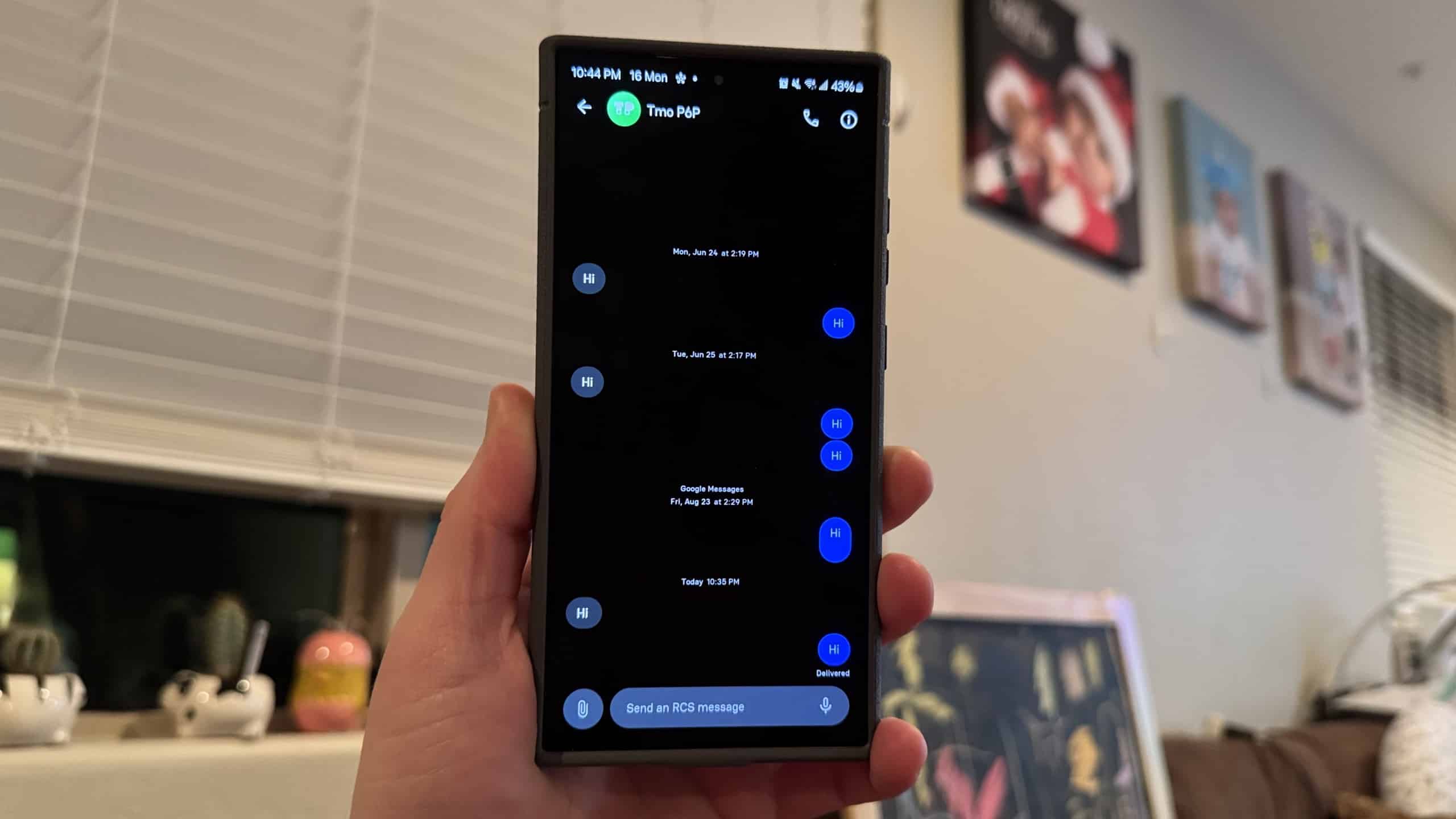
As promised, Google is now gearing up to implement the new encryption standard on its messaging platform. Recently, a Reddit user (via 9to5Google) spotted the Mountain View giant testing MLS encryption in the beta version of Google Messages. The users note that the new encryption works for both one-on-one chats and group conversations.
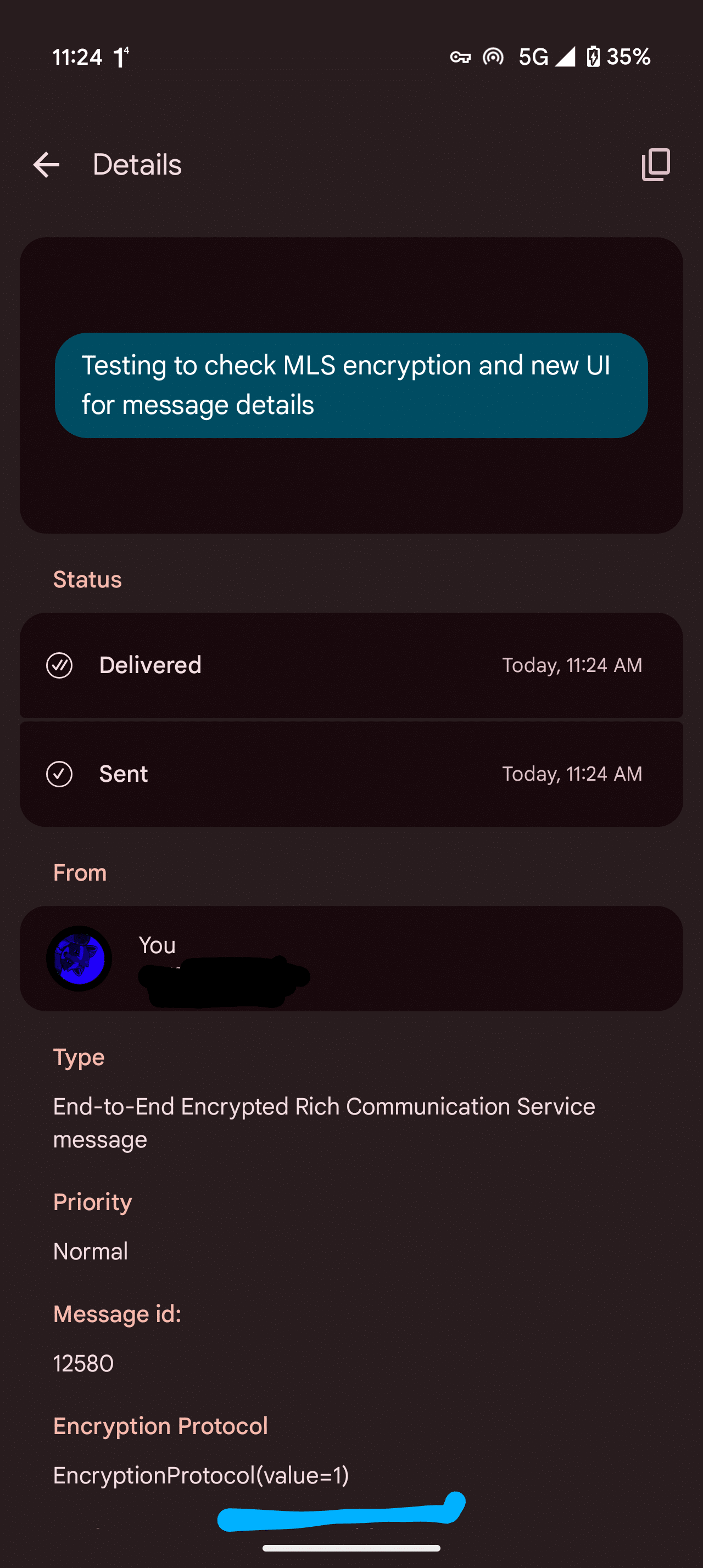
Furthermore, Google has made some changes to its new UI for the message’s “View details” page. It now displays technical information such as Type and Encryption Protocol. The former shows labels like “End-to-End Encrypted Rich Communication Service message,” while the latter tells the protocol value. A value of 1 means the message uses MLS encryption, and 0 refers to Google’s traditional approach.
In recent years, RCS messaging has gained a lot of traction. Unlike traditional SMS, users can now take advantage of cutting-edge features such as high-quality media sharing, read receipts, typing indicators, and more. Now, with the adoption of MLS encryption, a long-standing gap in cross-platform RCS chat privacy will finally be addressed.
It looks like MLS encryption is currently available only to select beta users on Google Messages. We will let you know once it becomes available widely. Also, there’s no word on when Apple will finally implement the new protocol in its messaging platform.

Written by
Binay KonwarBinay Konwar started his blogging journey in 2014 and has since written plenty of tech articles. At present, he is working as a News Writer at SammyGuru, covering everything about Samsung. He holds a Master's degree in Mathematics, but his real passion lies in tech and writing. In his free time, he enjoys playing chess and watching movies.
Follow us on Google Discover & set us as a preferred source in Google News
Share this Post
___________________________


New Blog Posts
___________________________
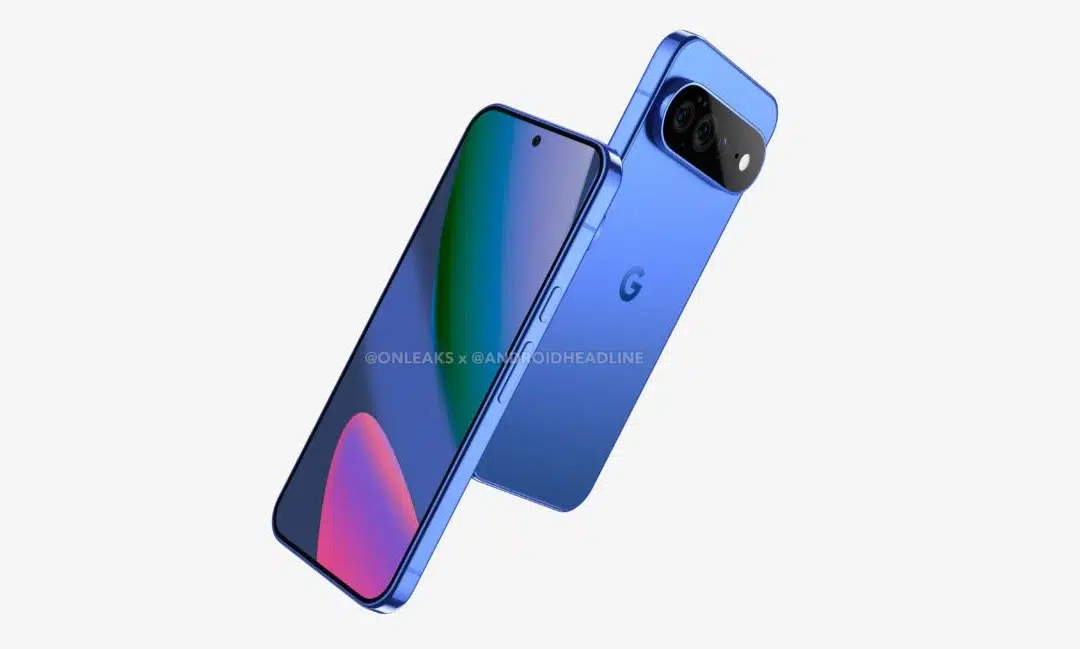
First Set of Pixel 11 Pro XL Renders Are Here
Pixel 11 Pro XL CAD renders show minimal design changes
Is Samsung Preparing One UI 8.5 Beta for Galaxy Z Fold 5 and Flip 5?
Samsung may launch a One UI 8.5 beta program for its 2023 foldables
Galaxy S25 One UI 8.5 Beta May Run Longer Than Expected
Galaxy S25 series’ One UI 8.5 beta may stretch to 10 rounds