Samsung Foundry Strategy Revised, Focus Shifts to 2nm Over 1.4nm
SammyGuru is reader-supported. We have affiliate and sponsored partnerships, so we may earn a commission when you buy through links on our site — at no extra cost to you. Learn more.
Samsung has reportedly changed its strategy on the development of advanced fabrication processes. It now plans to focus on stabilizing and improving the performance and yield of its 2nm and 4nm processes, instead of rushing into 1.4nm development. As the 2nm era approaches, Samsung aims to first ensure that its existing nodes meet customer expectations.
Samsung postpones 1.4nm node to focus on maturing 2nm technology
As it works on stabilizing the 2nm process, Samsung is also developing a more advanced 1.4nm process. However, the company has recently decided to postpone its development to focus on improving its 2nm yield. It has reportedly delayed the process mass production plan until 2028 or 2029, pushing back from the original plan of 2027.
“Samsung Electronics has recently been emphasizing its intention to increase the stability of existing processes rather than challenging cutting-edge processes such as 1.4 nanometers,” said a semiconductor industry insider (via ZDNet Korea). “Specifically, it has promised to improve the yield of cutting-edge processes such as 2 nanometers, strengthen customization services, and provide turnkey services using Samsung memory”.
This comes right on the heels of Samsung announcing its 3nm Exynos 2500 chip, which will likely power the upcoming Galaxy Z Flip 7. However, the company is still having trouble attracting clients for its 3nm process, leading to a loss of market share and revenue. It even lost an existing big client, Google, likely due to poor yield. Samsung was originally expected to manufacture the Tensor G5 chip using its 3nm node.
As a result, the Korean firm is being cautious to ensure the same situation does not repeat in the 2nm era. With plans to begin mass production of its 2nm node later this year, the company is now putting more effort into stabilizing the yield as quickly as possible. If successful, this will not only allow Samsung to integrate the 2nm Exynos 2600 in the Galaxy S26 series but also help rebuild trust with key clients.

Written by
Binay KonwarBinay Konwar started his blogging journey in 2014 and has since written plenty of tech articles. At present, he is working as a News Writer at SammyGuru, covering everything about Samsung. He holds a Master's degree in Mathematics, but his real passion lies in tech and writing. In his free time, he enjoys playing chess and watching movies.

Follow us on Google Discover & set us as a preferred source in Google News
Share this Post
___________________________


New Blog Posts
___________________________
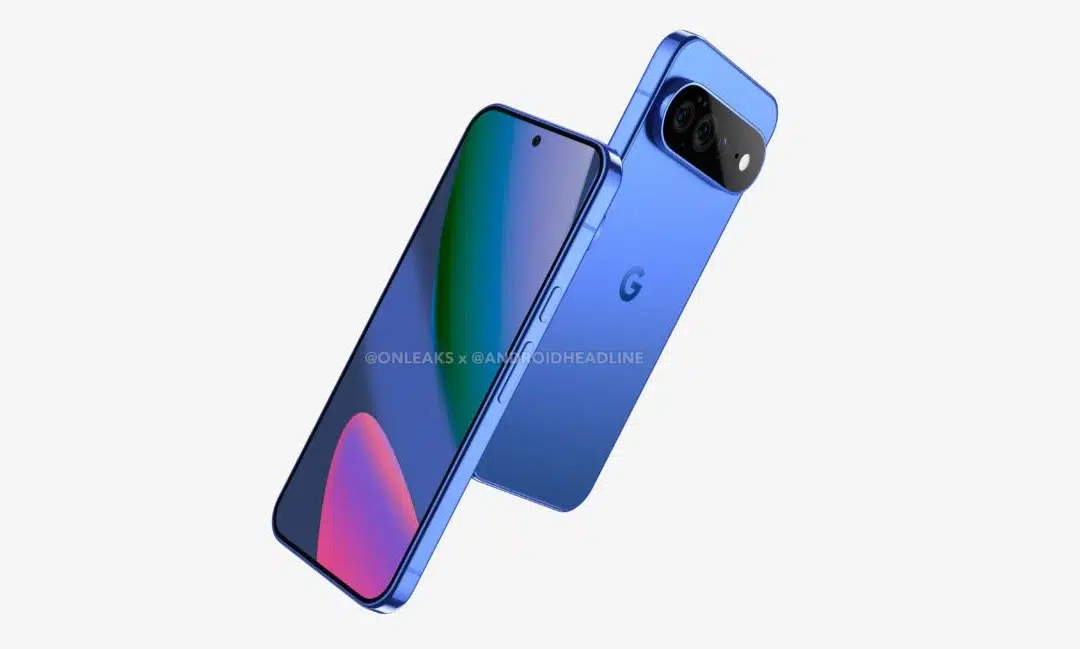
First Set of Pixel 11 Pro XL Renders Are Here
Pixel 11 Pro XL CAD renders show minimal design changes

Is Samsung Preparing One UI 8.5 Beta for Galaxy Z Fold 5 and Flip 5?
Samsung may launch a One UI 8.5 beta program for its 2023 foldables
Galaxy S25 One UI 8.5 Beta May Run Longer Than Expected
Galaxy S25 series’ One UI 8.5 beta may stretch to 10 rounds