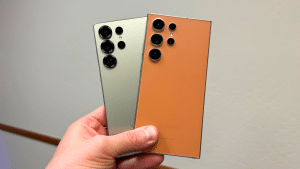
Galaxy S27 Ultra at Risk of Price Hike Because of Snapdragon 8 Elite 3
SammyGuru is reader-supported. We have affiliate and sponsored partnerships, so we may earn a commission when you buy through links on our site — at no extra cost to you. Learn more.
Qualcomm is preparing to launch the Snapdragon 8 Elite 2 later this year, and early leaks suggest it’ll be a powerhouse. But even before that chip hits the market, its successor — the Snapdragon 8 Elite 3 — is already generating serious buzz. Promising next-gen performance and cutting-edge efficiency, it sounds like a game-changer. However, if current rumors are accurate, it could also drive up costs for top-tier Android flagships like Samsung’s Galaxy S27 Ultra.
Snapdragon 8 Elite 3 could launch in two versions, high price
According to a new leak from well-known Chinese tipster Digital Chat Station (via @Jukanlosreve), Qualcomm may be planning to release two variants of the Snapdragon 8 Elite 3, similar to how Apple differentiates its standard and Pro chips. These models, likely codenamed SM8950 and SM8945, are expected to offer different performance tiers and target different flagship devices.
Both variants are rumored to be built using TSMC’s advanced 2nm process, a significant leap from the current 3nm node. This upgrade could translate to better efficiency, faster speeds, and improved battery life — but not without a cost. TSMC’s bleeding-edge technology is reportedly far more expensive per chip than current manufacturing processes. And when component costs rise, retail prices usually follow.
That could mean the Galaxy S27 Ultra, which should use the more powerful Snapdragon 8 Elite 3, might see a price hike when it launches in early 2027. Samsung could struggle to absorb the additional costs, potentially passing them on to consumers. The Korean firm might use its in-house Exynos 2700 in the Galaxy S27 and S27+ to improve profitability.
In fact, Samsung already plans a dual-chip strategy for the Galaxy S26 series next year. It aims to use the Exynos 2600 in the smaller models, equipping the Ultra with the Snapdragon 8 Elite 2. This approach could once again spark criticism from Galaxy fans, especially given recent concerns over Exynos chips falling short in performance and efficiency. Whether the Exynos 2600 can turn things around and restore confidence in Samsung’s silicon, only time will tell.

Written by
Sumit AdhikariSumit, a life-long Samsung user, is passionate about technology and has been professionally writing on tech since 2017. He’s a mathematics graduate by education and enjoys teaching basic mathematics tricks to school kids in his spare time. Sumit believes in artificial intelligence and dreams of a fully open, intelligent and connected world.

Follow us on Google Discover & set us as a preferred source in Google News
Share this Post
___________________________


New Blog Posts
___________________________

First Set of Pixel 11 Pro XL Renders Are Here
Pixel 11 Pro XL CAD renders show minimal design changes

Is Samsung Preparing One UI 8.5 Beta for Galaxy Z Fold 5 and Flip 5?
Samsung may launch a One UI 8.5 beta program for its 2023 foldables
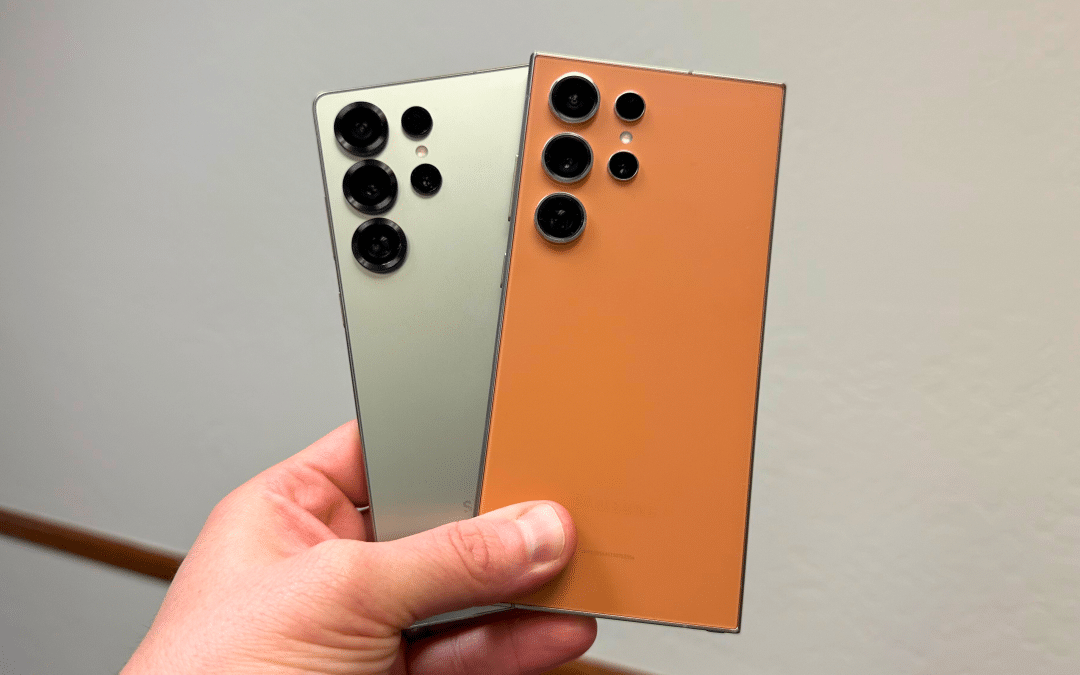
Galaxy S25 One UI 8.5 Beta May Run Longer Than Expected
Galaxy S25 series’ One UI 8.5 beta may stretch to 10 rounds