Samsung’s 2025 Smartphone Shipments May Decline Due to US Tariffs
SammyGuru is reader-supported. We have affiliate and sponsored partnerships, so we may earn a commission when you buy through links on our site — at no extra cost to you. Learn more.
Samsung led the global smartphone market in Q1 2025, with 60.5 million units shipped. However, the company may suffer lower smartphone shipments in the upcoming months due to uncertainty surrounding US tariffs. Recently, a market research firm lowered its global smartphone shipment forecasts for 2025, suggesting it will directly impact Samsung’s performance as well.
Global smartphone shipment forecast lowered amid US tariff concerns
Samsung has recently been exploring different routes to mitigate the impact of US tariffs, including relocating production sites. In response, Trump recently threatened that the government would impose a 25% tariff if companies, including Samsung, continue to make phones outside the United States. This means that if Samsung sells those phones in the US market, it would attract a 25% tariff.
Amid this uncertainty, a market research firm, Counterpoint Research, has recently revised its 2025 global smartphone shipment growth forecast. The firm originally predicted the market would see growth of 4.2% year-over-year in 2025. It has now estimated growth of 1.9% year-over-year due to uncertainties surrounding US tariffs.
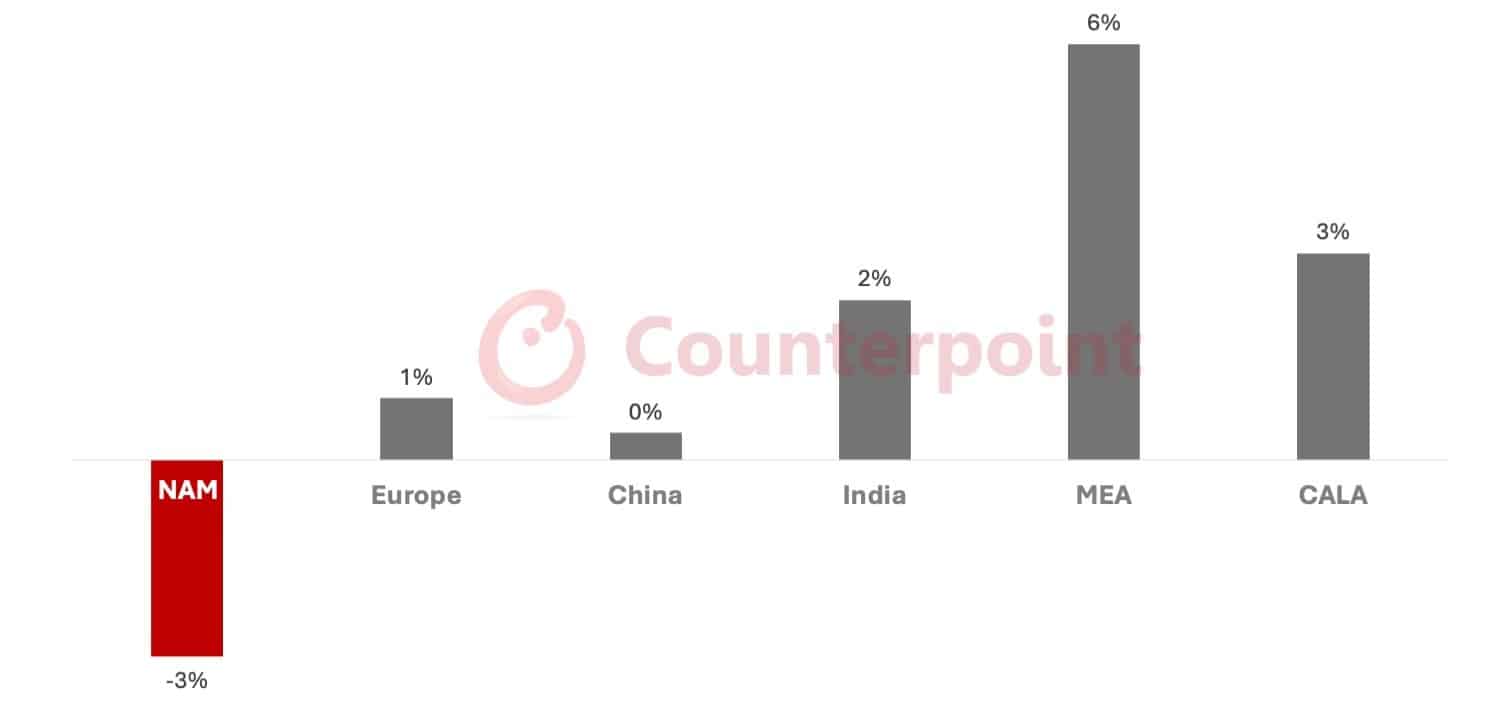
The firm says North America will suffer the most, with a drop of 3% year-over-year. It also says that price increases from tariffs may lower demand in North America. This is a concern for Samsung as it is trying hard to boost smartphone sales to catch up to arch-rival Apple in the US.
“All eyes are on Apple and Samsung because of their exposure to the US market. Although tariffs have played a role in our forecast revisions, we are also factoring in weakened demand not just in North America but across Europe and parts of Asia,” said Associate Director Liz Lee.
While the research firm does not share Samsung’s shipment numbers, an earlier report suggested that the company may see a drop of 14.5 million units this year compared to last year.
As of now, Samsung is concerned about its upcoming foldable lineup, which could face significant challenges due to the newly announced tariffs. There’s chatter that prices in the US market could increase up to 40%, potentially leading to a sharp decline in consumer demand.

Written by
Binay KonwarBinay Konwar started his blogging journey in 2014 and has since written plenty of tech articles. At present, he is working as a News Writer at SammyGuru, covering everything about Samsung. He holds a Master's degree in Mathematics, but his real passion lies in tech and writing. In his free time, he enjoys playing chess and watching movies.

Follow us on Google Discover & set us as a preferred source in Google News
Share this Post
___________________________


New Blog Posts
___________________________
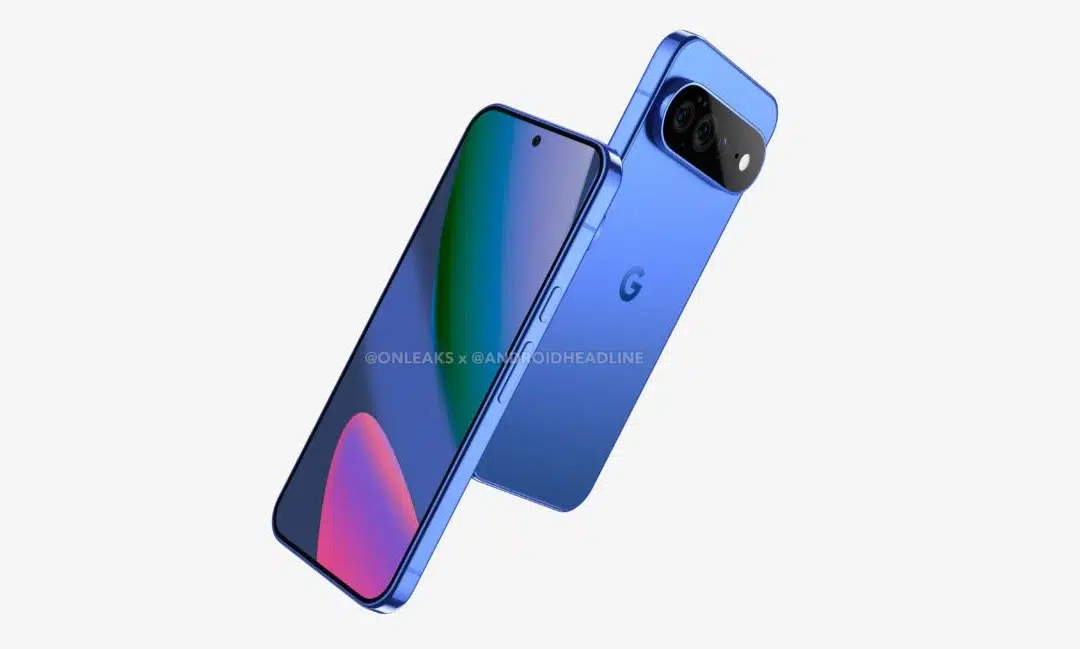
First Set of Pixel 11 Pro XL Renders Are Here
Pixel 11 Pro XL CAD renders show minimal design changes
Is Samsung Preparing One UI 8.5 Beta for Galaxy Z Fold 5 and Flip 5?
Samsung may launch a One UI 8.5 beta program for its 2023 foldables
Galaxy S25 One UI 8.5 Beta May Run Longer Than Expected
Galaxy S25 series’ One UI 8.5 beta may stretch to 10 rounds