Samsung Secures Major Deal with BYD to Supply MLCCs for EVs
SammyGuru is reader-supported. We have affiliate and sponsored partnerships, so we may earn a commission when you buy through links on our site — at no extra cost to you. Learn more.
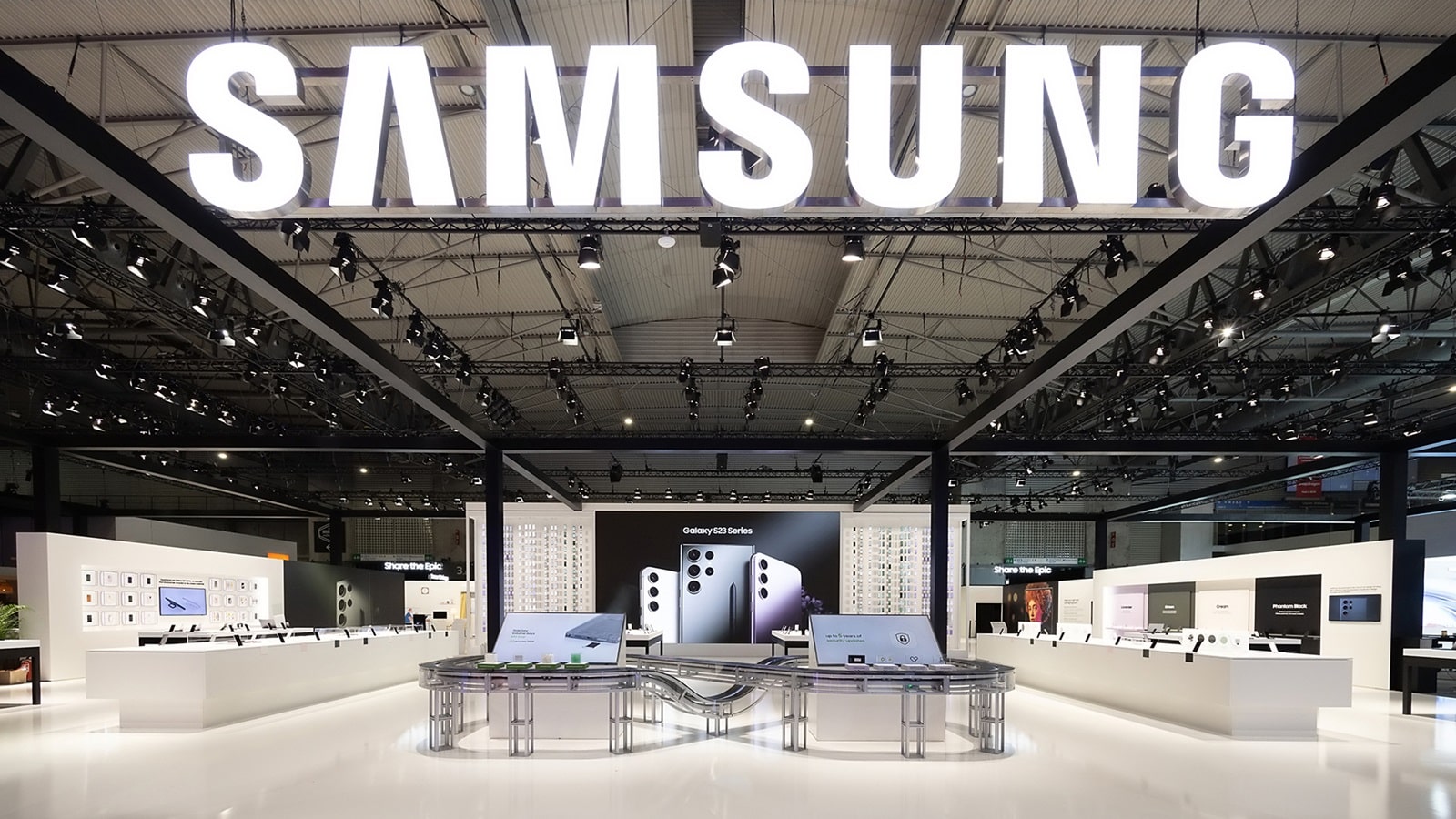
As China currently holds the largest EV market globally, Samsung wants to be a key supplier of EV parts, which could help the company grow its struggling business. Now it looks like Samsung has cracked a deal with BYD, China-based leading EV manufacturer. Samsung will reportedly supply a large volume of multilayer ceramic capacitors (MLCCs) to BYD.
Samsung to supply MLCCs to BYD, following Lee Jae-yong’s meeting with BYD execs
The Korean firm wants to expand its automotive business, and partnering with Chinese EV makers could grow its business. According to the Korea Economic Daily, Samsung Electro-Mechanics has received an order to supply several million dollars’ worth of multilayer ceramic capacitors (MLCCs) to BYD and other Chinese automotive electronics manufacturers. So, in addition to BYD, it has also secured orders from other EV manufacturers, but the report did not disclose the names of these companies.
Last month, we reported that Samsung’s chairman Lee Jae-yong met with executives at BYD to discuss a possible collaboration on EV (electric vehicle) parts. And now the talks have paid off — it seems both companies have reached an agreement. While Samsung does not produce cars, its automotive division supplies several parts needed for electric vehicles, including camera lenses and semiconductor package substrates for autonomous driving.
Samsung Electro-Mechanics, which is a subsidiary of the Samsung Group, makes several electronic components, including multilayer ceramic capacitors (MLCCs). The report adds that most of Samsung Electro-Mechanics’ revenue comes from MLCCs, generating higher profit margins than other types of products. MLCCs work like a small dam that stores and releases electricity to help control the flow. It is used in EVs, self-driving cars, smartphones, and the Internet of Things (IoT).
While older vehicles required around 3,000 to 10,000 MLCCs for driving assistance, self-driving, and infotainment systems, modern electric vehicles have pushed that number up to 12,000 to 18,000. As a result, demand for MLCCs has been rapidly increasing. So, it is a great opportunity for Samsung to fulfill EV makers’ demand for MLCCs, which could significantly boost its automotive business.

Written by
Binay KonwarBinay Konwar started his blogging journey in 2014 and has since written plenty of tech articles. At present, he is working as a News Writer at SammyGuru, covering everything about Samsung. He holds a Master's degree in Mathematics, but his real passion lies in tech and writing. In his free time, he enjoys playing chess and watching movies.

Follow us on Google Discover & set us as a preferred source in Google News
Share this Post
___________________________


New Blog Posts
___________________________
First Set of Pixel 11 Pro XL Renders Are Here
Pixel 11 Pro XL CAD renders show minimal design changes
Is Samsung Preparing One UI 8.5 Beta for Galaxy Z Fold 5 and Flip 5?
Samsung may launch a One UI 8.5 beta program for its 2023 foldables
Galaxy S25 One UI 8.5 Beta May Run Longer Than Expected
Galaxy S25 series’ One UI 8.5 beta may stretch to 10 rounds